
Diastematomyelia
Editor-In-Chief: C. Michael Gibson, M.S., M.D. [1]
Associate Editor-In-Chief: Cafer Zorkun, M.D., Ph.D. [2]
Overview
Diastematomyelia is an uncommon congenital anomaly characterized pathologically by sagittal clefting of the spinal cord or filum terminale, with each half of the spinal cord being surrounded by a dural sac.
This disorder is usually caused by either a fibrous bony septum or an osteocartilaginous septum.
Diastematomyelias are most frequently found in the lumbar spine, followed by the thoracic region.
Some form of an associated congenital anomaly, or dysraphism, of the vertebral column is a constant feature.
Diagnosis
MRI
-
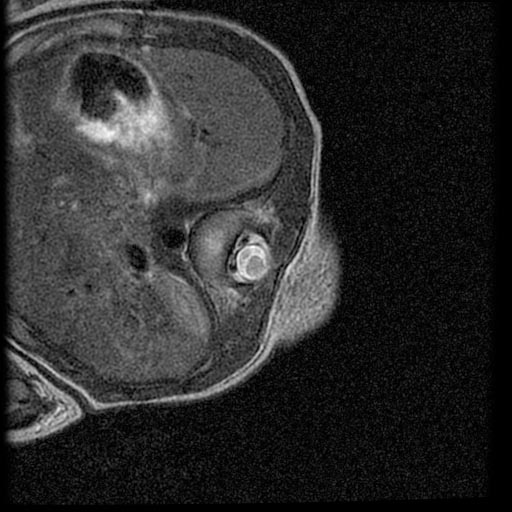 Diastematomyelia
 -
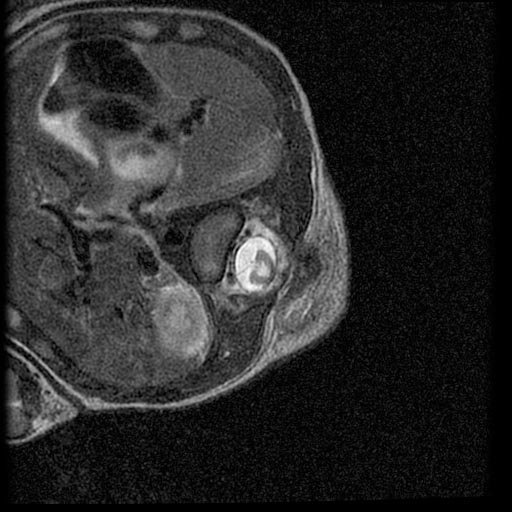 Diastematomyelia


-
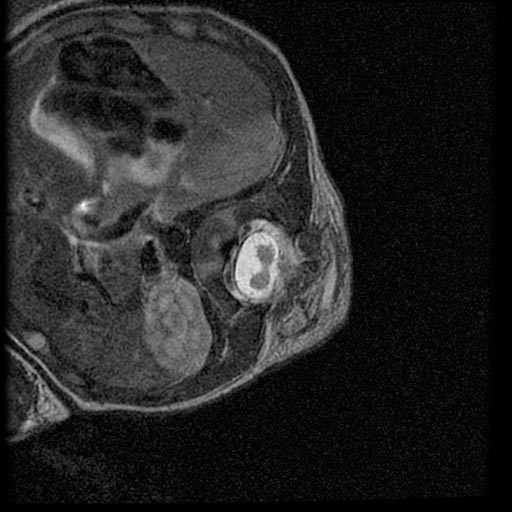 Diastematomyelia
 -
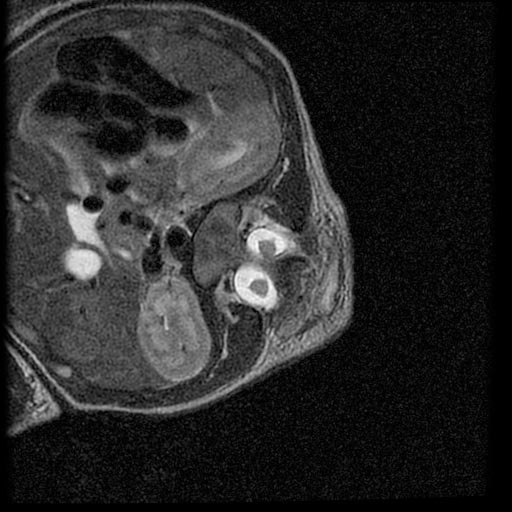 Diastematomyelia


-
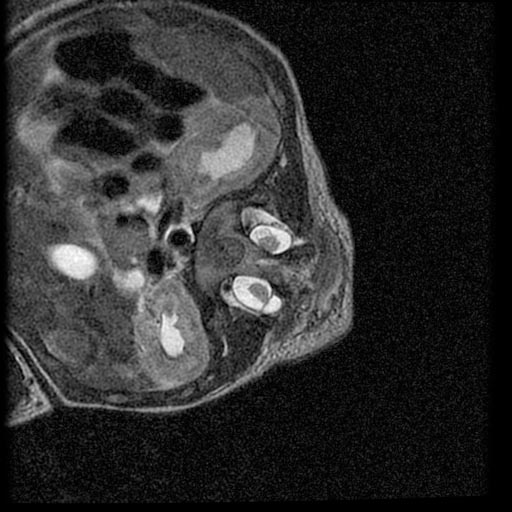 Diastematomyelia
 -
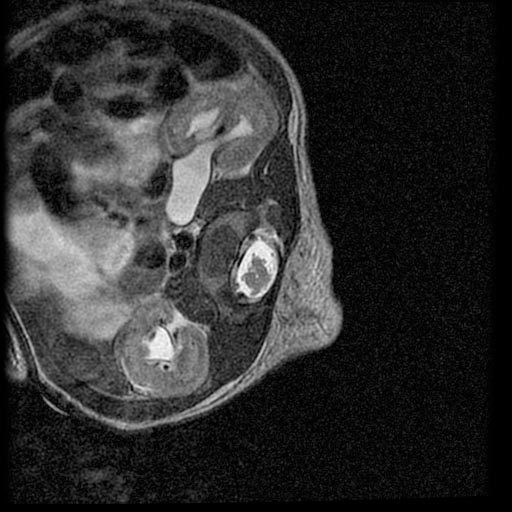 Diastematomyelia


-
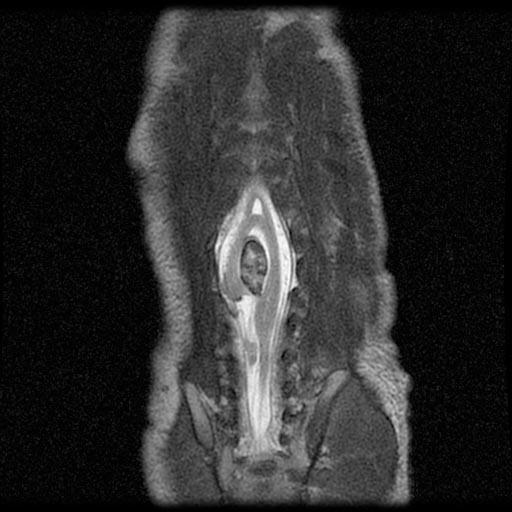 Diastematomyelia
 -
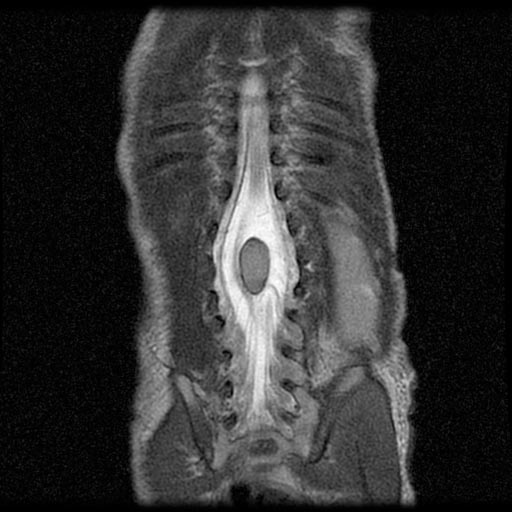 Diastematomyelia


-
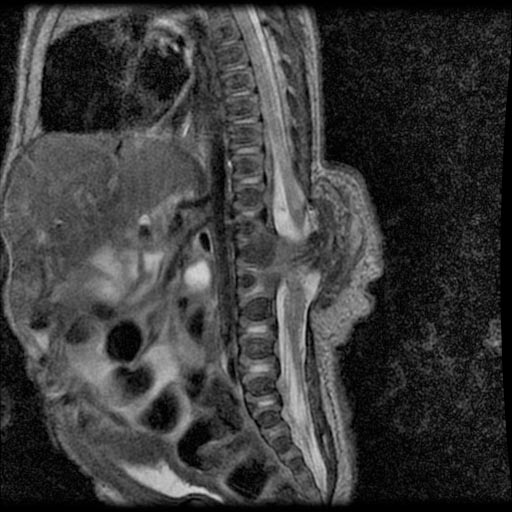 Diastematomyelia
 -
 Diastematomyelia


See also
- Diplomyelia
Template:Congenital malformations and deformations of nervous system
© 2026 MyEClinic – IFTM Institut für Telematik in der Medizin GmbH