
Erythema multiforme
Editor-In-Chief: C. Michael Gibson, M.S., M.D. [1] Associate Editor(s)-in-Chief: Charmaine Patel, M.D. [2] Kiran Singh, M.D. [3]
Overview
Erythema multiforme is a skin condition of unknown etiology, but some authors suggest that the disease is mediated by deposition of immune complex (mostly IgM) in the superficial microvasculature of the skin and oral mucous membrane. It can occur due to drug exposure,as well in association with some types of infections. It varies from a mild, self-limited rash (E. multiforme minor) to a severe, life-threatening form (E. multiforme major, or Stevens-Johnson syndrome) that also involves mucous membranes.
Common Causes
E. multiforme may also be caused by drug reactions, most commonly sulfa drugs, Hydrochlorothiazide, phenytoin, barbiturates, penicillin, and allopurinol, Ethynodiol diacetate and ethinyl estradiol, or a host of internal ailments. The most common predisposing infection for E. multiforme is Herpes simplex, but bacterial infections (commonly Mycoplasma) and fungal diseases are also implicated.
Causes
Causes by Organ System
| Cardiovascular | No underlying causes |
| Chemical/Poisoning | No underlying causes |
| Dental | No underlying causes |
| Dermatologic | No underlying causes |
| Drug Side Effect | Amifostine, amoxicillin, atovaquone and proguanil hydrochloride, aztreonam, butalbital, cefaclor, cefadroxil, cefotaxime sodium, ceftazidime, certolizumab pegol, choline magnesium trisalicylate, clomiphene, cytomegalovirus immune globulin, dactinomycin, etravirine, desogestrel and ethinyl Estradiol, ibritumomab tiuxetan, indinavir, isotretinoin, ixabepilone, lincomycin hydrochloride, meropenem, oxaprozin, piperacillin, piperacillin/tazobactam, sulfasalazine, rifampin, tolmetin, trimethadione, valdecoxib. |
| Ear Nose Throat | No underlying causes |
| Endocrine | No underlying causes |
| Environmental | No underlying causes |
| Gastroenterologic | No underlying causes |
| Genetic | No underlying causes |
| Hematologic | No underlying causes |
| Iatrogenic | No underlying causes |
| Infectious Disease | No underlying causes |
| Musculoskeletal/Orthopedic | No underlying causes |
| Neurologic | No underlying causes |
| Nutritional/Metabolic | No underlying causes |
| Obstetric/Gynecologic | No underlying causes |
| Oncologic | No underlying causes |
| Ophthalmologic | No underlying causes |
| Overdose/Toxicity | No underlying causes |
| Psychiatric | No underlying causes |
| Pulmonary | No underlying causes |
| Renal/Electrolyte | No underlying causes |
| Rheumatology/Immunology/Allergy | No underlying causes |
| Sexual | No underlying causes |
| Trauma | No underlying causes |
| Urologic | No underlying causes |
| Miscellaneous | No underlying causes |
Causes in Alphabetical Order
|
|
|
Diagnosis
History and Symptoms
The skin form of E. multiforme, far more common than the severe form, usually presents with mildly itchy, pink-red blotches, symmetrically arranged and starting on the extremities. It often takes on the classical “target lesion” appearance, with a pink-red ring around a pale center. Resolution within 7-10 days is the norm.

-
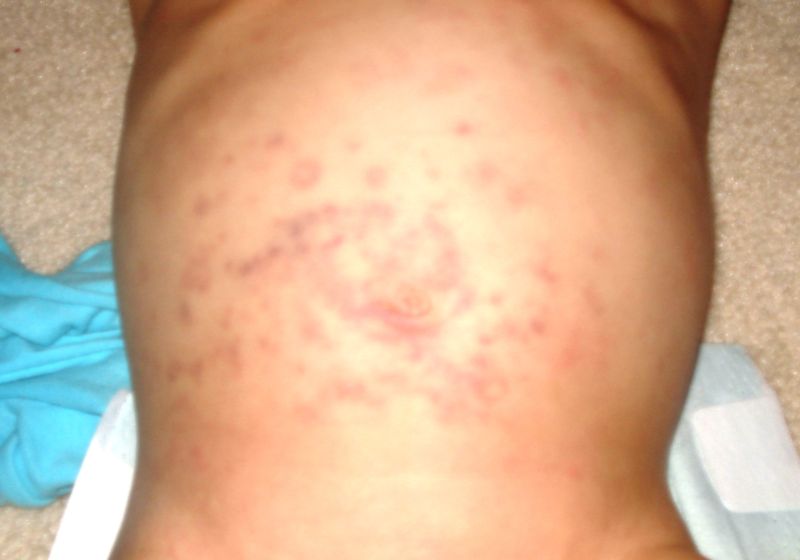 Erythema Multiforme Major
 -
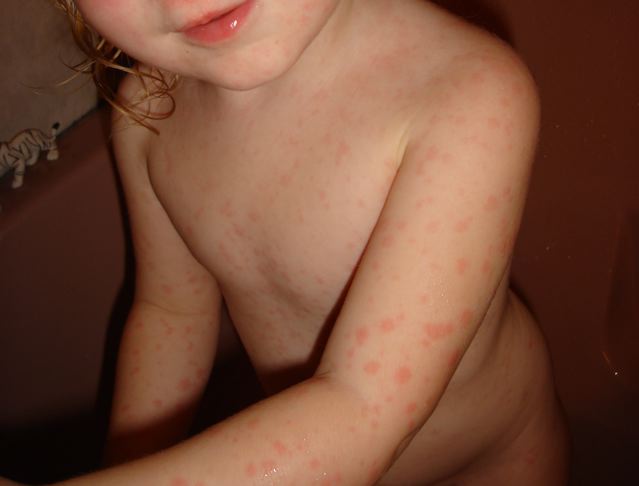 Erythema Multiforme reaction to an antibiotic


Physical Examination
Skin
Extremities
-
![Erythema multiforme Adapted from Dermatology Atlas.[1]](https://www.wikidoc.org/images/3/3d/Erythema_multiforme01.jpg) Erythema multiforme Adapted from Dermatology Atlas.[1]
Erythema multiforme Adapted from Dermatology Atlas.[1] -
![Erythema multiforme Adapted from Dermatology Atlas.[1]](https://www.wikidoc.org/images/3/3d/Erythema_multiforme02.jpg) Erythema multiforme Adapted from Dermatology Atlas.[1]
Erythema multiforme Adapted from Dermatology Atlas.[1] -
![Erythema multiforme Adapted from Dermatology Atlas.[1]](https://www.wikidoc.org/images/0/06/Erythema_multiforme03.jpg) Erythema multiforme Adapted from Dermatology Atlas.[1]
Erythema multiforme Adapted from Dermatology Atlas.[1] -
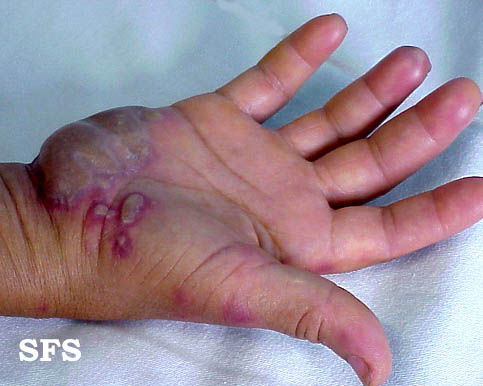 Erythema multiforme Adapted from Dermatology Atlas.
 -
![Erythema multiforme Adapted from Dermatology Atlas.[1]](https://www.wikidoc.org/images/e/e5/Erythema_multiforme05.jpg) Erythema multiforme Adapted from Dermatology Atlas.[1]
Erythema multiforme Adapted from Dermatology Atlas.[1] -
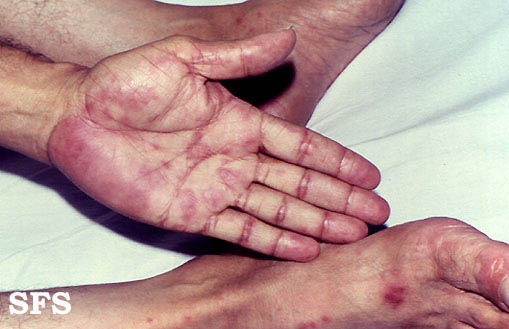 Erythema multiforme Adapted from Dermatology Atlas.
 -
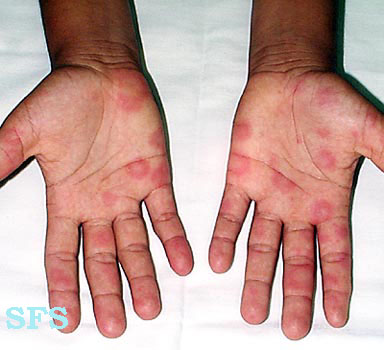 Erythema multiforme Adapted from Dermatology Atlas.
 -
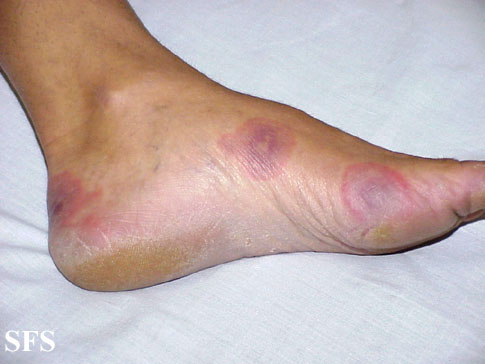 Erythema multiforme Adapted from Dermatology Atlas.
 -
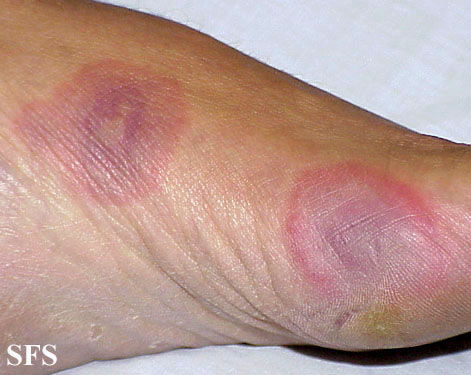 Erythema multiforme Adapted from Dermatology Atlas.
 -
![Erythema multiforme Adapted from Dermatology Atlas.[1]](https://www.wikidoc.org/images/8/81/Erythema_multiforme17.jpg) Erythema multiforme Adapted from Dermatology Atlas.[1]
Erythema multiforme Adapted from Dermatology Atlas.[1] -
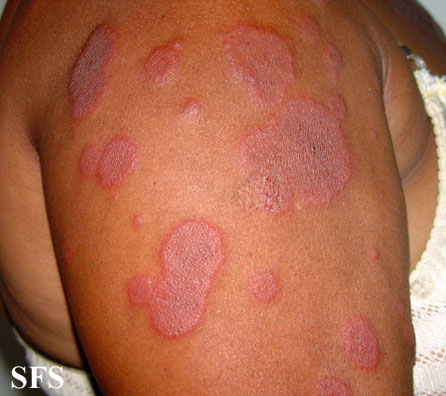 Erythema multiforme Adapted from Dermatology Atlas.
 -
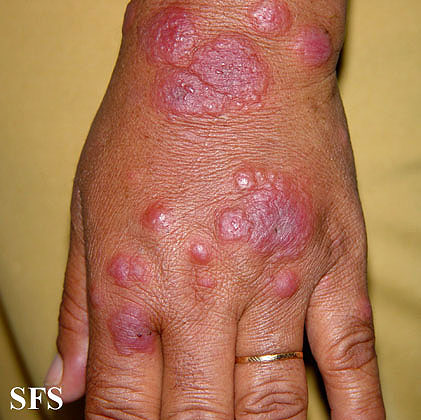 Erythema multiforme Adapted from Dermatology Atlas.
 -
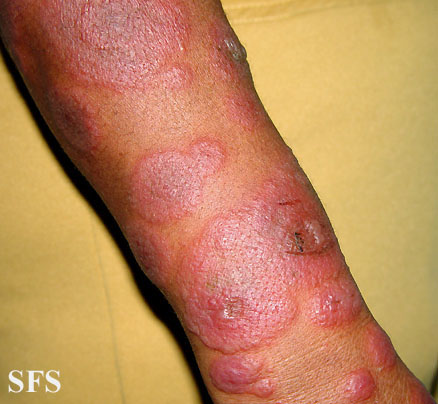 Erythema multiforme Adapted from Dermatology Atlas.
 -
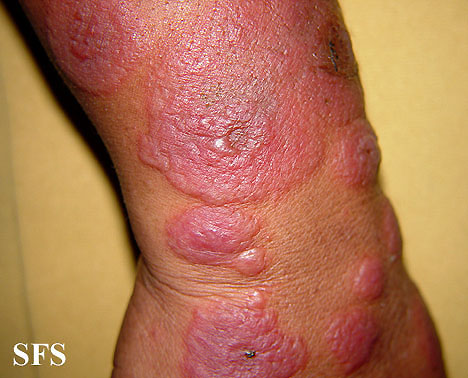 Erythema multiforme Adapted from Dermatology Atlas.
 -
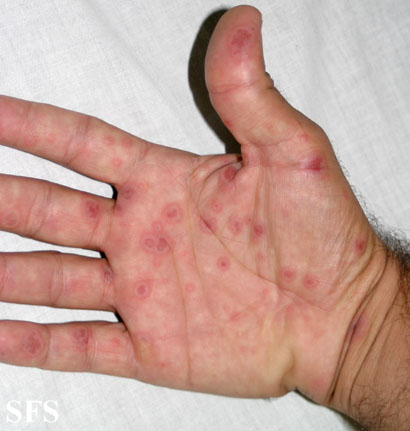 Erythema multiforme Adapted from Dermatology Atlas.
 -
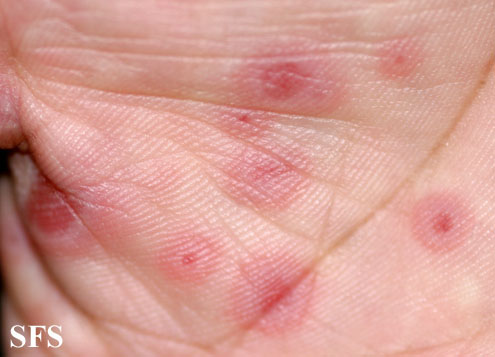 Erythema multiforme Adapted from Dermatology Atlas.
 -
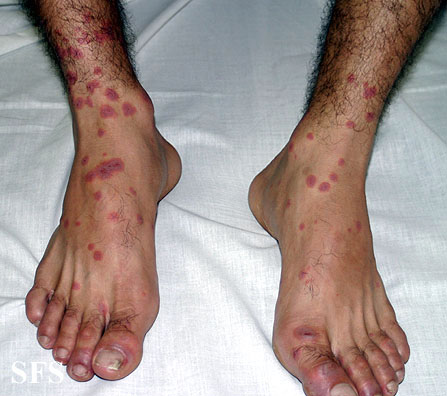 Erythema multiforme Adapted from Dermatology Atlas.
 -
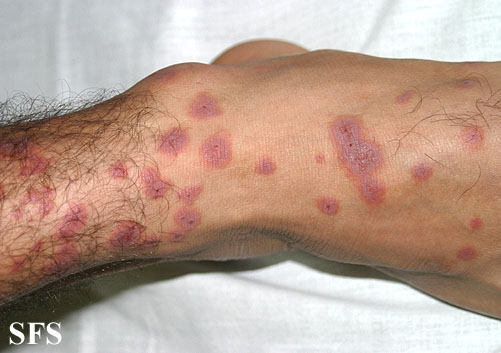 Erythema multiforme Adapted from Dermatology Atlas.
 -
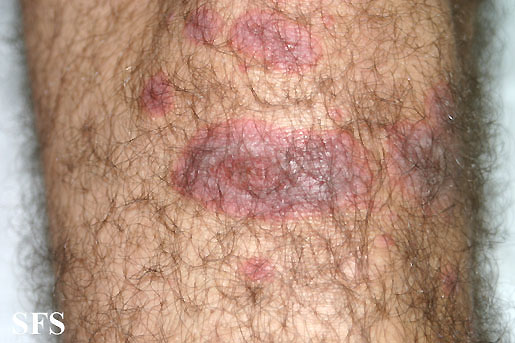 Erythema multiforme Adapted from Dermatology Atlas.
![Erythema multiforme Adapted from Dermatology Atlas.[1]](https://www.wikidoc.org/index.php/File%3AErythema_multiforme01.jpg)
![Erythema multiforme Adapted from Dermatology Atlas.[1]](https://www.wikidoc.org/index.php/File%3AErythema_multiforme02.jpg)
![Erythema multiforme Adapted from Dermatology Atlas.[1]](https://www.wikidoc.org/index.php/File%3AErythema_multiforme03.jpg)

![Erythema multiforme Adapted from Dermatology Atlas.[1]](https://www.wikidoc.org/index.php/File%3AErythema_multiforme05.jpg)


![Erythema multiforme Adapted from Dermatology Atlas.[1]](https://www.wikidoc.org/index.php/File%3AErythema_multiforme17.jpg)


Trunk
-
![Erythema multiforme Adapted from Dermatology Atlas.[1]](https://www.wikidoc.org/images/1/12/Erythema_multiforme10.jpg) Erythema multiforme Adapted from Dermatology Atlas.[1]
Erythema multiforme Adapted from Dermatology Atlas.[1] -
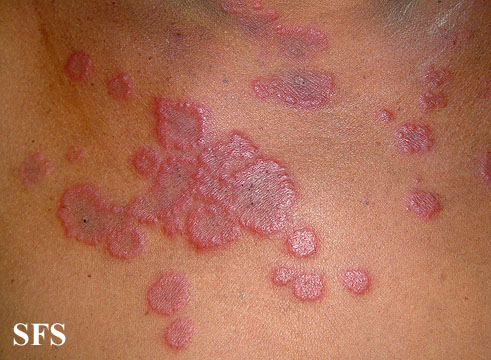 Erythema multiforme Adapted from Dermatology Atlas.
 -
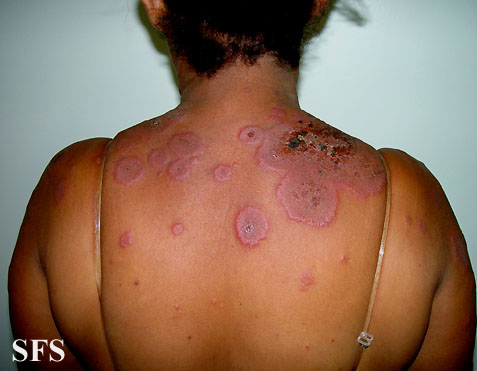 Erythema multiforme Adapted from Dermatology Atlas.
 -
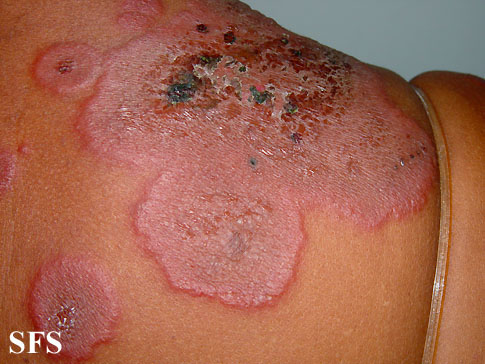 Erythema multiforme Adapted from Dermatology Atlas.
 -
![Erythema multiforme Adapted from Dermatology Atlas.[1]](https://www.wikidoc.org/images/d/d6/Erythema_multiforme14.jpg) Erythema multiforme Adapted from Dermatology Atlas.[1]
Erythema multiforme Adapted from Dermatology Atlas.[1]
![Erythema multiforme Adapted from Dermatology Atlas.[1]](https://www.wikidoc.org/index.php/File%3AErythema_multiforme10.jpg)


![Erythema multiforme Adapted from Dermatology Atlas.[1]](https://www.wikidoc.org/index.php/File%3AErythema_multiforme14.jpg)
Neck
-
![Erythema multiforme Adapted from Dermatology Atlas.[1]](https://www.wikidoc.org/images/5/55/Erythema_multiforme16.jpg) Erythema multiforme Adapted from Dermatology Atlas.[1]
Erythema multiforme Adapted from Dermatology Atlas.[1]
![Erythema multiforme Adapted from Dermatology Atlas.[1]](https://www.wikidoc.org/index.php/File%3AErythema_multiforme16.jpg)
Face
-
![Erythema multiforme Adapted from Dermatology Atlas.[1]](https://www.wikidoc.org/images/f/f2/Erythema_multiforme22.jpg) Erythema multiforme Adapted from Dermatology Atlas.[1]
Erythema multiforme Adapted from Dermatology Atlas.[1]
![Erythema multiforme Adapted from Dermatology Atlas.[1]](https://www.wikidoc.org/index.php/File%3AErythema_multiforme22.jpg)
Image:Erythema multiforme24.jpg| Erythema multiforme Adapted from Dermatology Atlas.[1]</gallery>
</gallery>
Laboratory Findings
Laboratory findings are non-specific and can include an elevated erythrocyte sedimentation rate (ESR), elevated white blood cell count (WBC), and elevated liver enzymes.
References
© 2026 MyEClinic – IFTM Institut für Telematik in der Medizin GmbH