

Health Dictionary
Reliable, easy-to-read patient information on common medical conditions — written in plain language, free of jargon, and grounded in current evidence. Browse the most frequent diagnoses, understand what they mean for everyday life, and learn which steps and questions help you have a focused conversation with your doctor.
Autoimmune limbic encephalitis
Introduction
Overview
Overview
Limbic encephalitis is a form of encephalitis.
In a small number of cases, the pathogens responsible for encephalitis attack primarily the limbic system (a collection of structures at the base of the brain responsible for basic autonomic functions), often causing memory deficits similar to those observed in Alzheimer’s disease or Creutzfeldt-Jakob disease (although limbic encephalitis does not cause the same cognitive deficits as these diseases.[1] Unfortunately for 20% of people with the diagnosis of limbic encephalitis an MRI will not show any neurological abnormalities [2]
60% of the time, limbic encephalitis is paraneoplastic in origin. [3]
Paraneoplastic limbic encephalitis (PLE) is a particularly severe form of limbic encephalitis caused by neoplasms most commonly associated with small cell lung carcinoma. Whereas the majority of encephalitides are viral in nature, PLE is often associated with cancer. In fact, it is thought that up to 1 in 100 people with cancer have in fact got paraneoplastic limbic encephalitis which is commonly misdiagnosed as neurological diseases such as Alzheimer’s.[4]
Diagnostic Findings
Diagnostic Findings
MRI
-
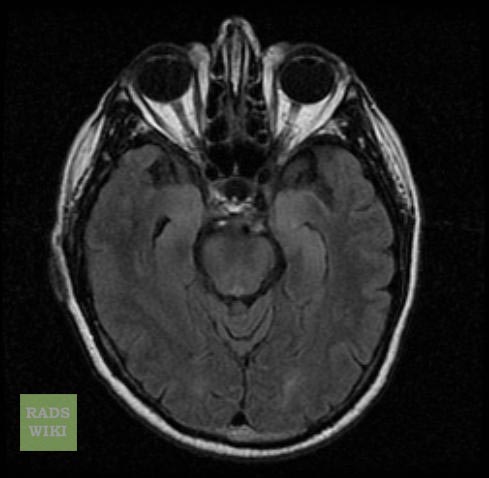 Limbic encephalitis
 -
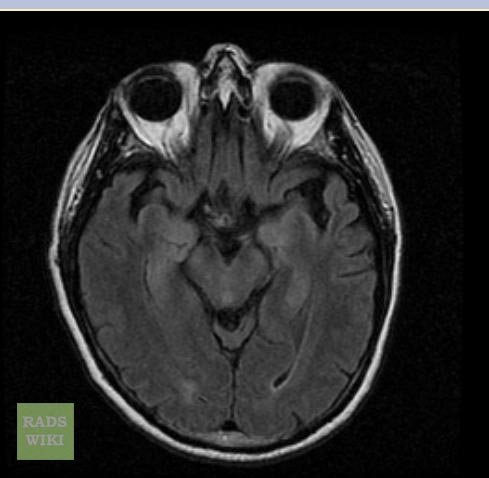 Limbic encephalitis
 -
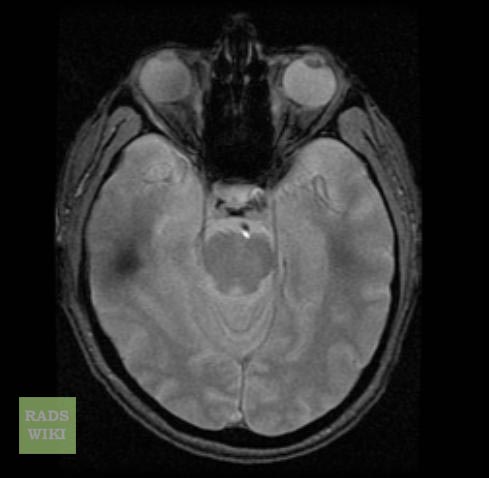 Limbic encephalitis
 -
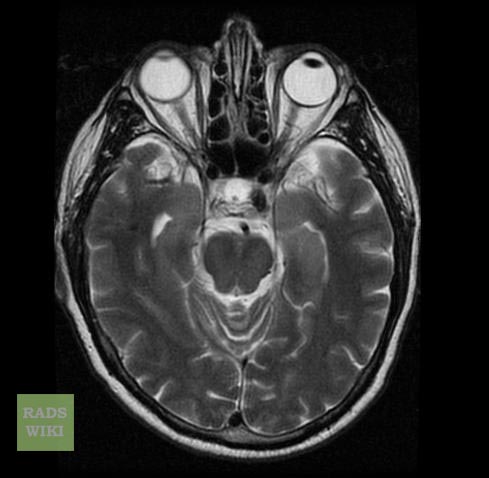 Limbic encephalitis
 -
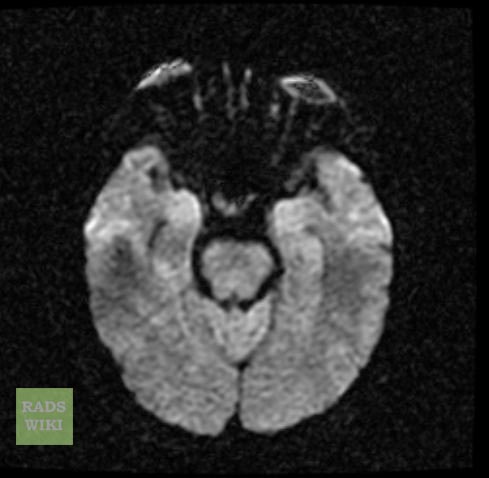 Limbic encephalitis
 -
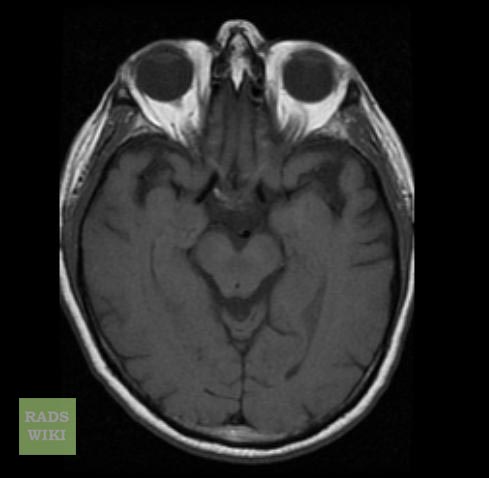 Limbic encephalitis
 -
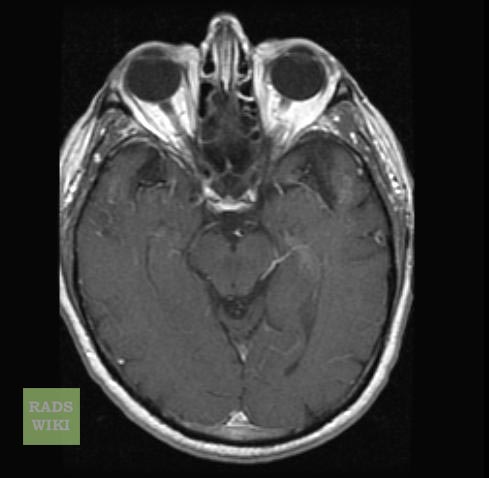 Limbic encephalitis


References
References
Editor-In-Chief: C. Michael Gibson, M.S., M.D. [1]