

Health Dictionary
Reliable, easy-to-read patient information on common medical conditions — written in plain language, free of jargon, and grounded in current evidence. Browse the most frequent diagnoses, understand what they mean for everyday life, and learn which steps and questions help you have a focused conversation with your doctor.
Diastematomyelia
Introduction
Overview
Overview
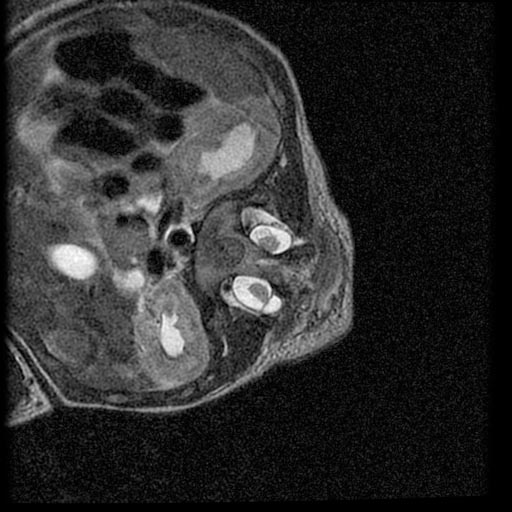
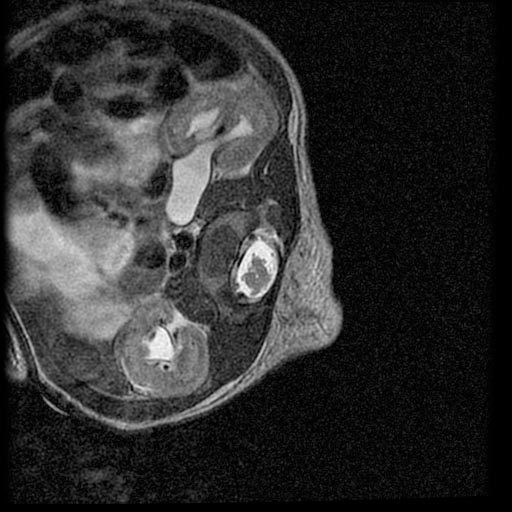
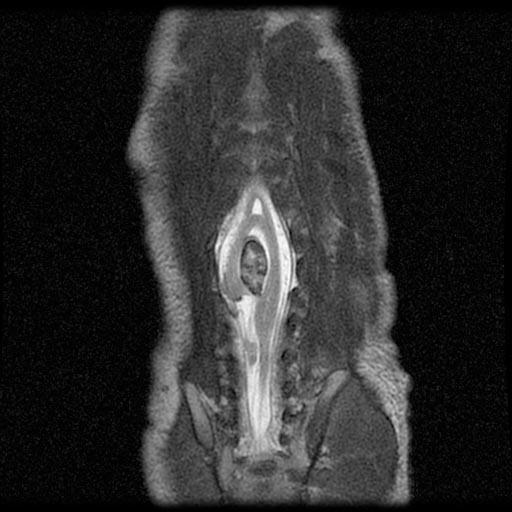
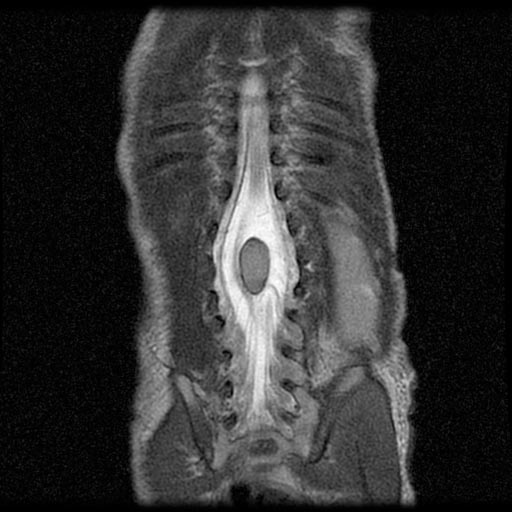
Diastematomyelia is an uncommon congenital anomaly characterized pathologically by sagittal clefting of the spinal cord or filum terminale, with each half of the spinal cord being surrounded by a dural sac.
This disorder is usually caused by either a fibrous bony septum or an osteocartilaginous septum.
Diastematomyelias are most frequently found in the lumbar spine, followed by the thoracic region.
Some form of an associated congenital anomaly, or dysraphism, of the vertebral column is a constant feature.
Diagnosis
Diagnosis
MRI
-
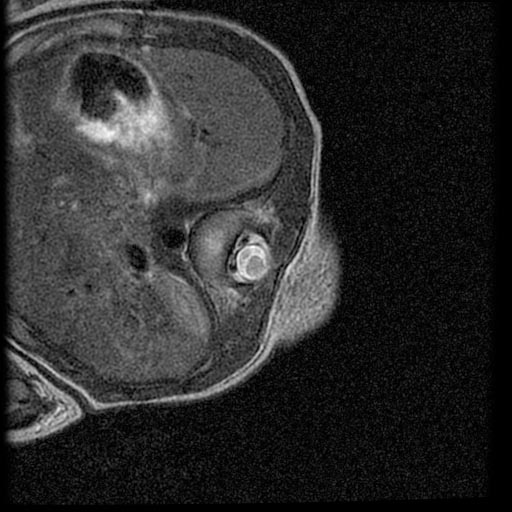 Diastematomyelia
 -
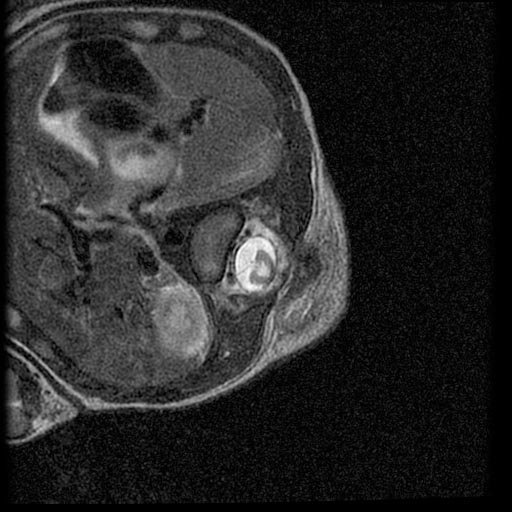 Diastematomyelia


-
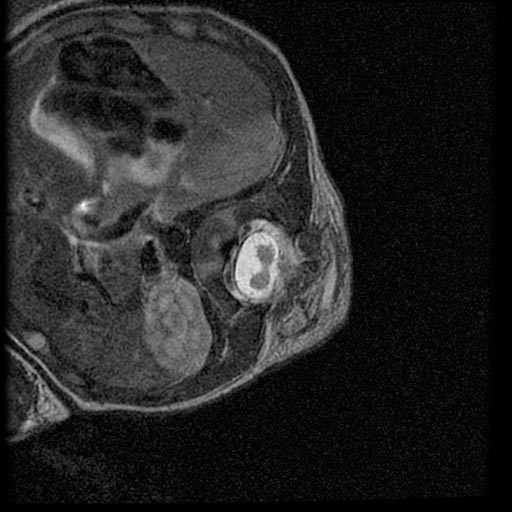 Diastematomyelia
 -
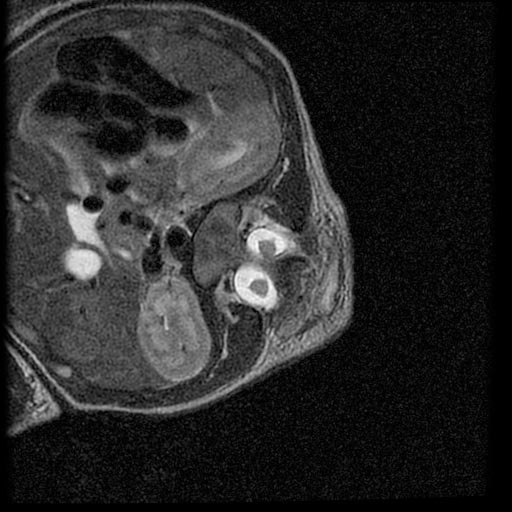 Diastematomyelia


-
 Diastematomyelia
 -
 Diastematomyelia


-
 Diastematomyelia
 -
 Diastematomyelia


-
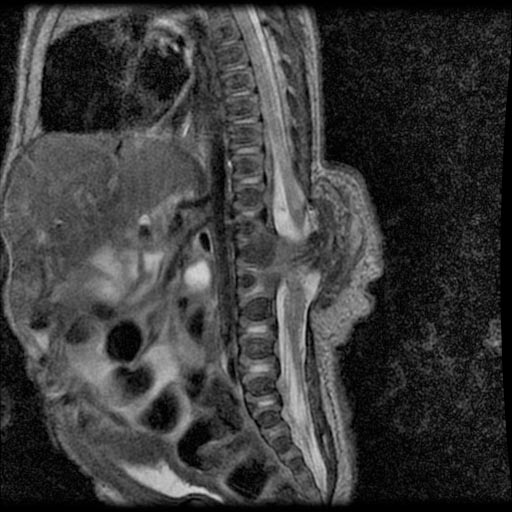 Diastematomyelia
 -
 Diastematomyelia


Editor-In-Chief: C. Michael Gibson, M.S., M.D. [1] Cafer Zorkun, M.D., Ph.D. [2]