
Gout (patient information)
For the WikiDoc page for this topic, click here
Editor-In-Chief: C. Michael Gibson, M.S., M.D. [1]; Jinhui Wu, MD Associate Editor(s)-in-Chief: Ujjwal Rastogi, MBBS [2]
Overview
Overview
Gout is a kind of arthritis caused by disorder of uric acid metabolism. Uric acid is a matabolic substance of purines and dissolves in the blood and passes through the kidneys into urine. When the body produces more uric acid and/or excrete less uric acid than normal, gout happens. Urate crystals can deposit in the joint space. This causes pain and swelling in the affected joints. Symptoms of gout may be sudden and usually start at night. Foods rich in purines, hpertension, diabetes, hypercholesterolemia, overweight and alcohol abuse are common risk factors. The goal of treatment is to relieve pain, reduce the risk of gout complications and prevent future attacks. Usual medications include NSAIDs, colchicine, corticosteroids, xanthine oxidase inhibitors and probenecid. It is very important to maintain a healthy lifestyle to prevent gout attacks.
What are the symptoms of Gout?
What are the symptoms of Gout?
The symptoms of gout may be sudden and usually start at night.
- Sudden onset of a hot, red, swollen joint. The base of the big toe is most common affected, but other joints of the feet, ankles, knees, hands and wrists can also be involved. The joint hurts more when you touch it.
- Intense joint pain: The pain is likely to be most severe within the first 12 to 24 hours after it begins.
- Lingering discomfort.
Certain diseases can present with similar symptoms like
Who is at highest risk?
Who is at highest risk?
- Hypertension
- Diabetes
- Hypercholesterolemia
- Overweight
- Alcohol abuse
- Foods that are rich in purines, such as salmon, sardines, organ meats, asparagus, mushrooms and herring.
- Medications such as hydrochlorothiazide, niacin, aspirin, cyclosporine, pyrazinamide and ethambutol, and some drugs used to treat cancer.
- Family history of gout
- Male, or female after menopause
Diagnosis
Diagnosis
Your physician will run the following test to diagnose gout, which are as follows
- Serum uric acid: This blood test results can be misleading because an elevated serum uric acid level does not indicate gout. Some people who have high uric acid levels may never experience gout. And the normal level of serum uric acid in some patients may show signs and symptoms of gout.
- Complete blood count: The level of CBC may be elevated in patients with gout.
- Blood chemistry including renal function and liver function: These functions need to be assessed before therapy.
- Synovial fluid examination: When a patient demonstrate the signs of acute inflammatory arthritis, it is necessary to aspirate synovial fluid of the involved joint to rule out an infectious arthritis. During the procedure, the doctor may use a needle to draw fluid from your affected joint. Based on the discovery of urate crystals in the synovial fluid or soft tissues, the doctors can confirm the diagnosis.
- Joint x-ray test: The goal of this test is to rule out other diseases that affect the joint. The most common radiographic findings in patients with gout include soft-tissue swelling or an absence of abnormalities.
When to seek urgent medical care?
When to seek urgent medical care?
If you have gout attacks, go to see your doctor as soon as possible. Early treatment may relieve pain and control inflammatory reaction.
Treatment options
Treatment options
Treatment of gout includes medicine. The goal is to relieve pain, reduce the risk of gout complications and prevent future attacks.
- Nonsteroidal anti-inflammatory drugs (NSAIDs): NSAIDs may be used to control inflammation and pain in patients with gout. Usual drugs include ibuprofen, naproxen and indomethacin. Usual side effects are pain, bleeding and ulcers in upper gastrointestinal tract .
- Colchicine: Colchicine can also be recommended to relieve pain, especially in patients with peptic uncler. Usual side effects of colchicine include nausea, vomiting and diarrhea.
- Corticosteroids: Corticosteroids are generally prescribed for patients who can take neither NSAIDs nor colchicine. These drugs can be used by oral or by injection into the joint to control gout inflammation and pain. Side effects of corticosteroids may include a decreased ability against infection, worse healing in the wound and osteoporosis.
- Xanthine oxidase inhibitors: Xanthine oxidase inhibitors such as allopurinol and febuxostat can lower blood level of uric acid and reduce the risk of gout. Side effects of these medications include rash, hypotension, nausea and damages in liver function.
- Probenecid: Probenecid can also used to lower uric acid levels by improving removal of uric acid through the kidneys. Side effects include rash, stomach pain and kidney stones.
Where to find medical care for Gout?
Where to find medical care for Gout?
What to expect (Outlook/Prognosis)?
What to expect (Outlook/Prognosis)?
Generally, the prognpsis of gout is good. It depends on:
- Whether the patient is treated early
- Whether the patient maitains a healthy lifestyle.
Prevention
Prevention
- Eat a low-cholesterol, low-fat diet. Avoid alcohol and foods that are high in purines. Drink lots of water and other fluids,
- Maintain a desirable weight
- Control your blood pressure and glucose in normal levels
- Be careful when taking medications such as hydrochlorothiazide, niacin, aspirin, cyclosporine, pyrazinamide and ethambutol, and some drugs used to treat cancer. Talk about the doses with your doctor. When taking these drugs, drinking lots of water.
Images
Images
The followings are Images courtesy of Charlie Goldberg, M.D., UCSD School of Medicine and VA Medical Center, San Diego, CA
-
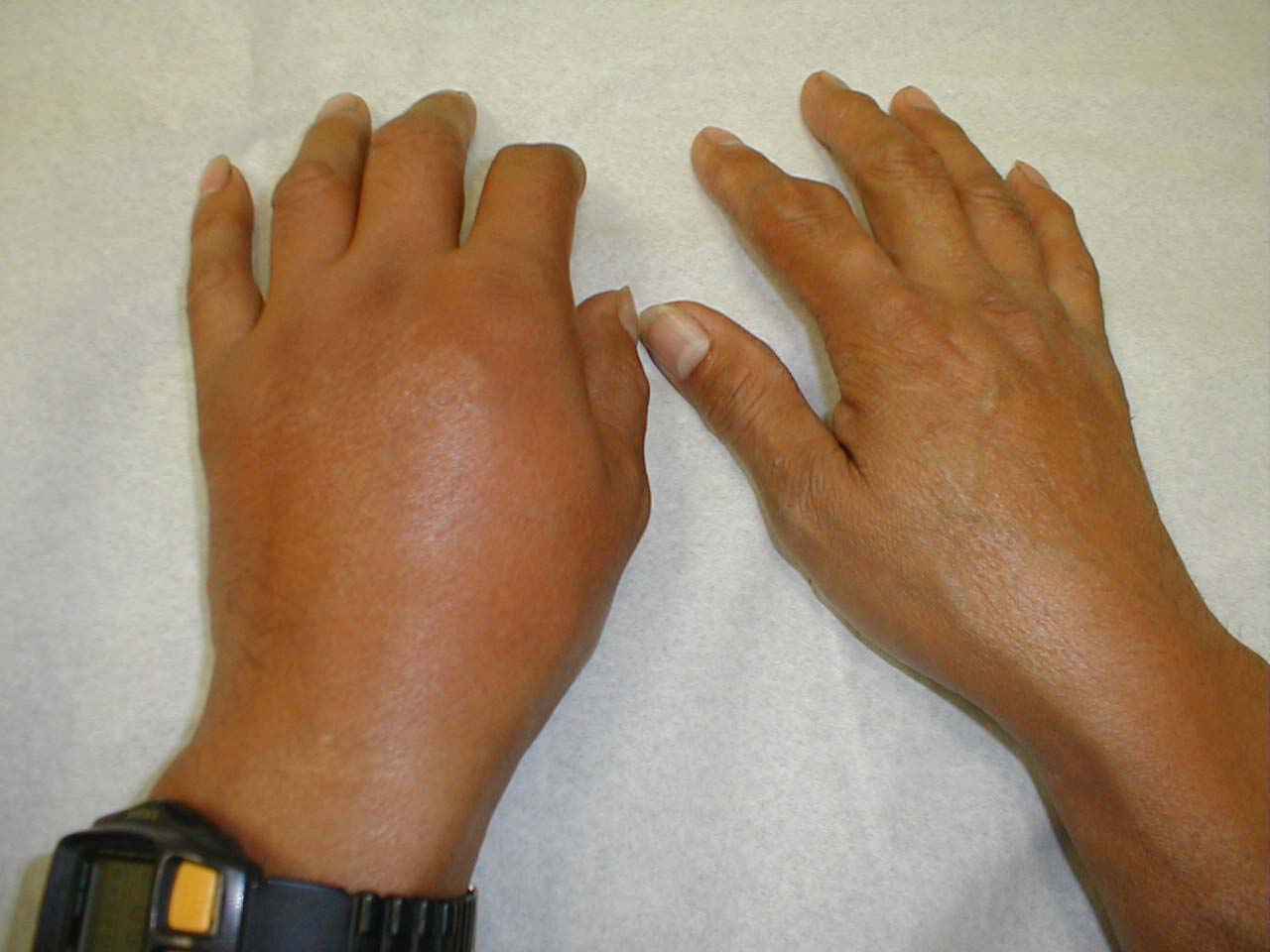 Gout of Left MCP Joints: Diffuse redness and swelling over MCP joints caused by inflammation induced by gout. Right hand is normal, for comparison.
 -
 Gout of the Right Wrist: Note swelling and redness over right wrist area. Left wrist is normal.
 -
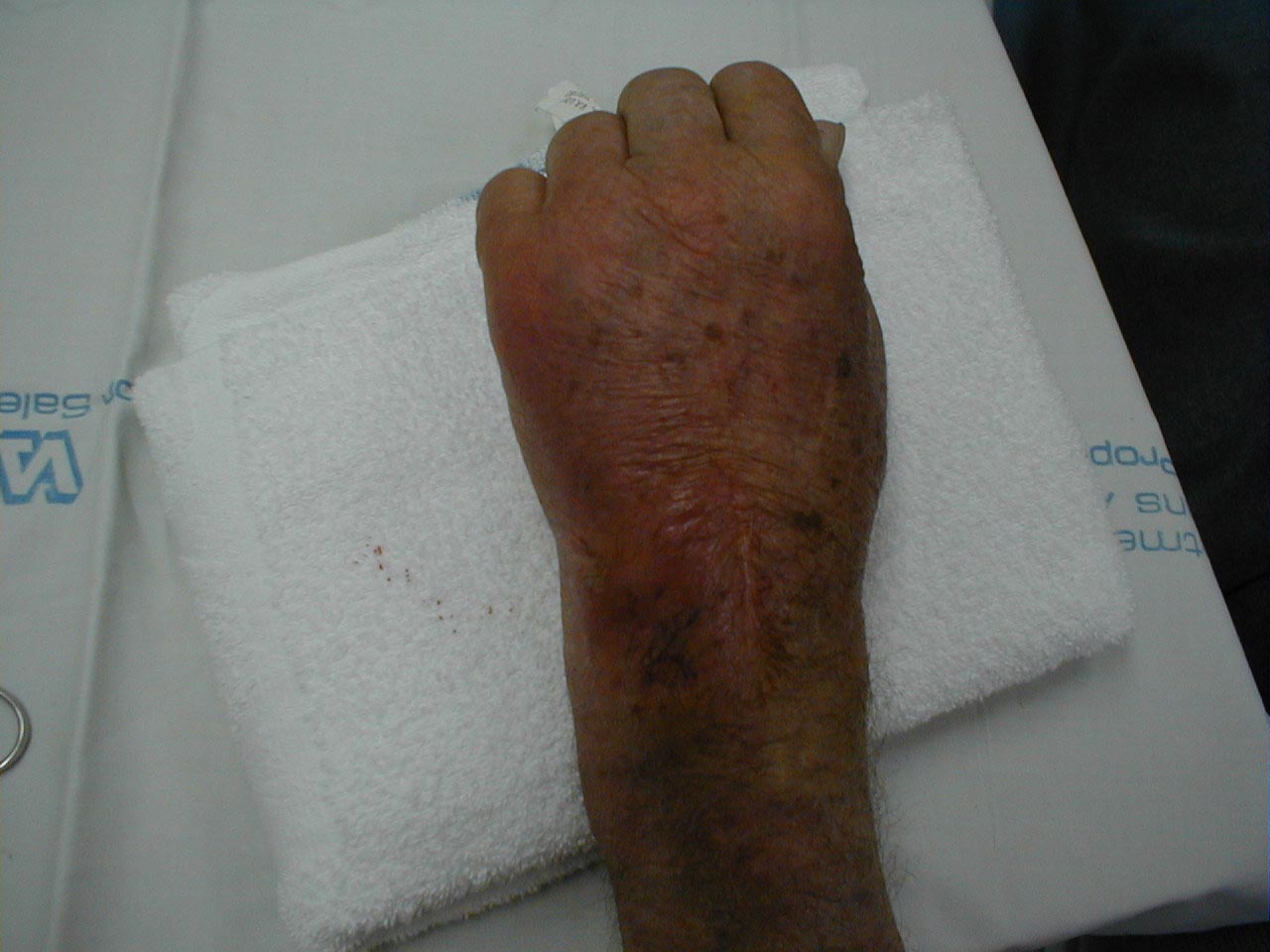 Gout of the Left Wrist: Note swelling and redness over left wrist area.
 -
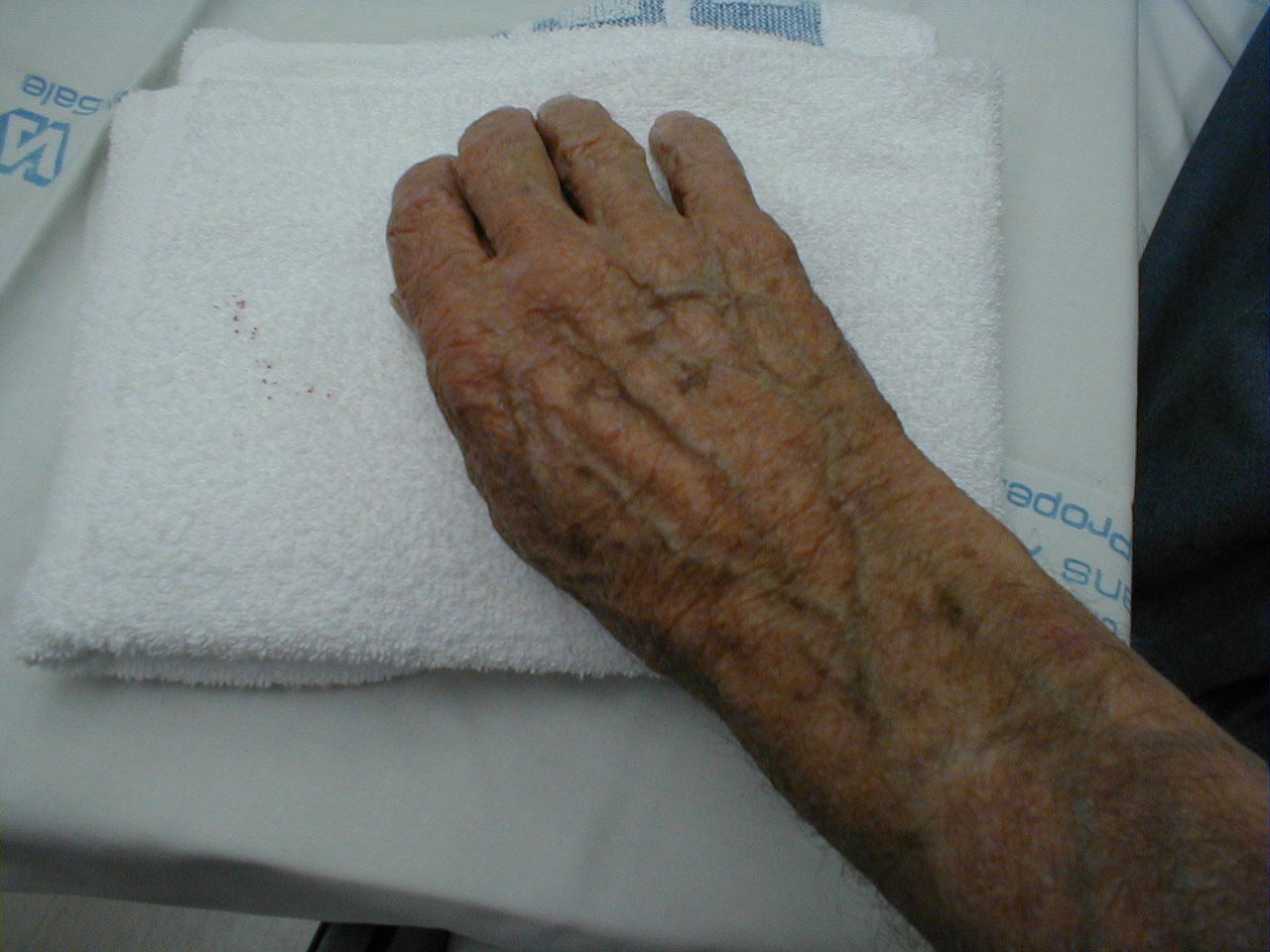 A normal wrist for comparison.
 -
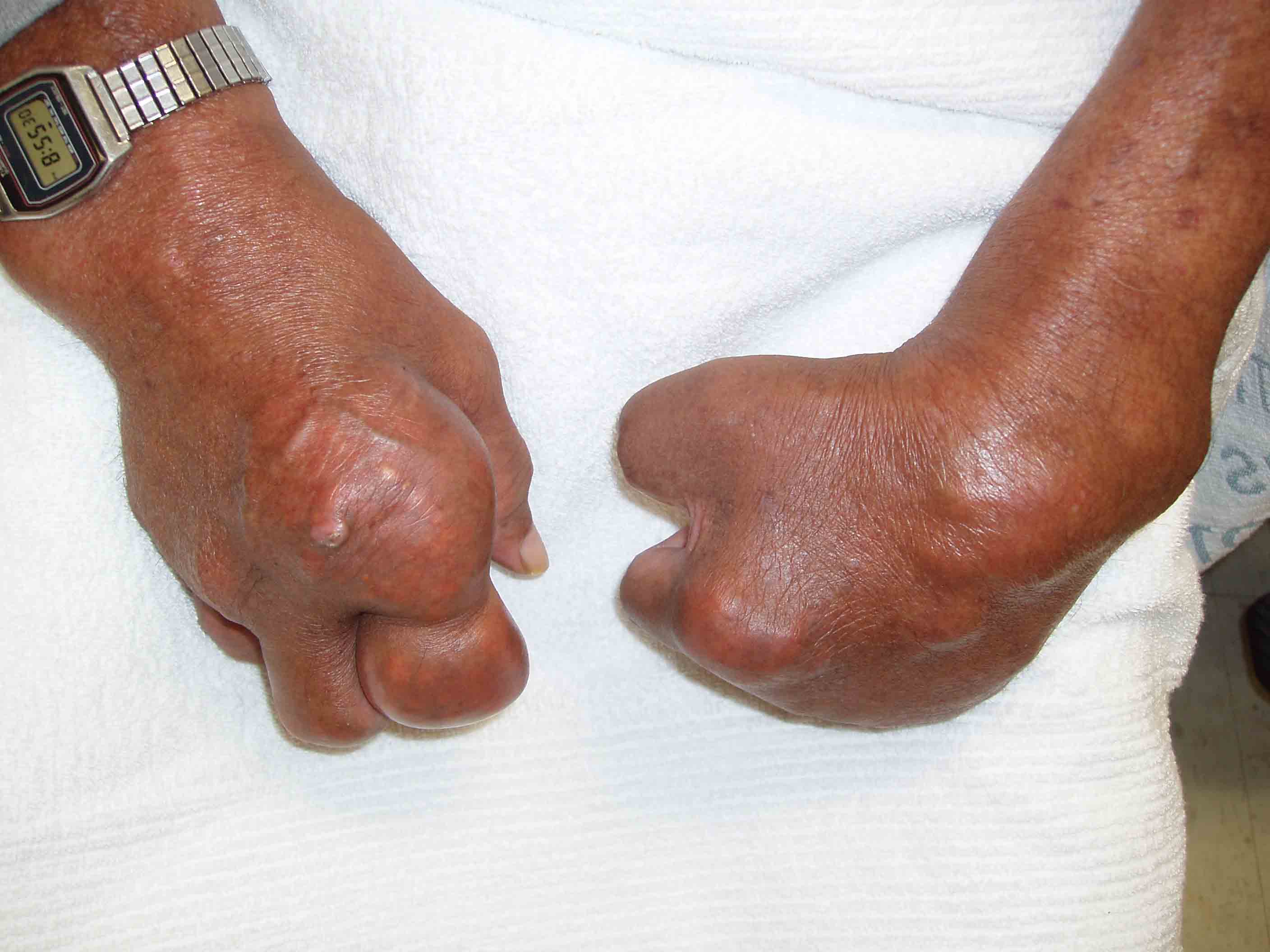 Tophaceous Gout
 -
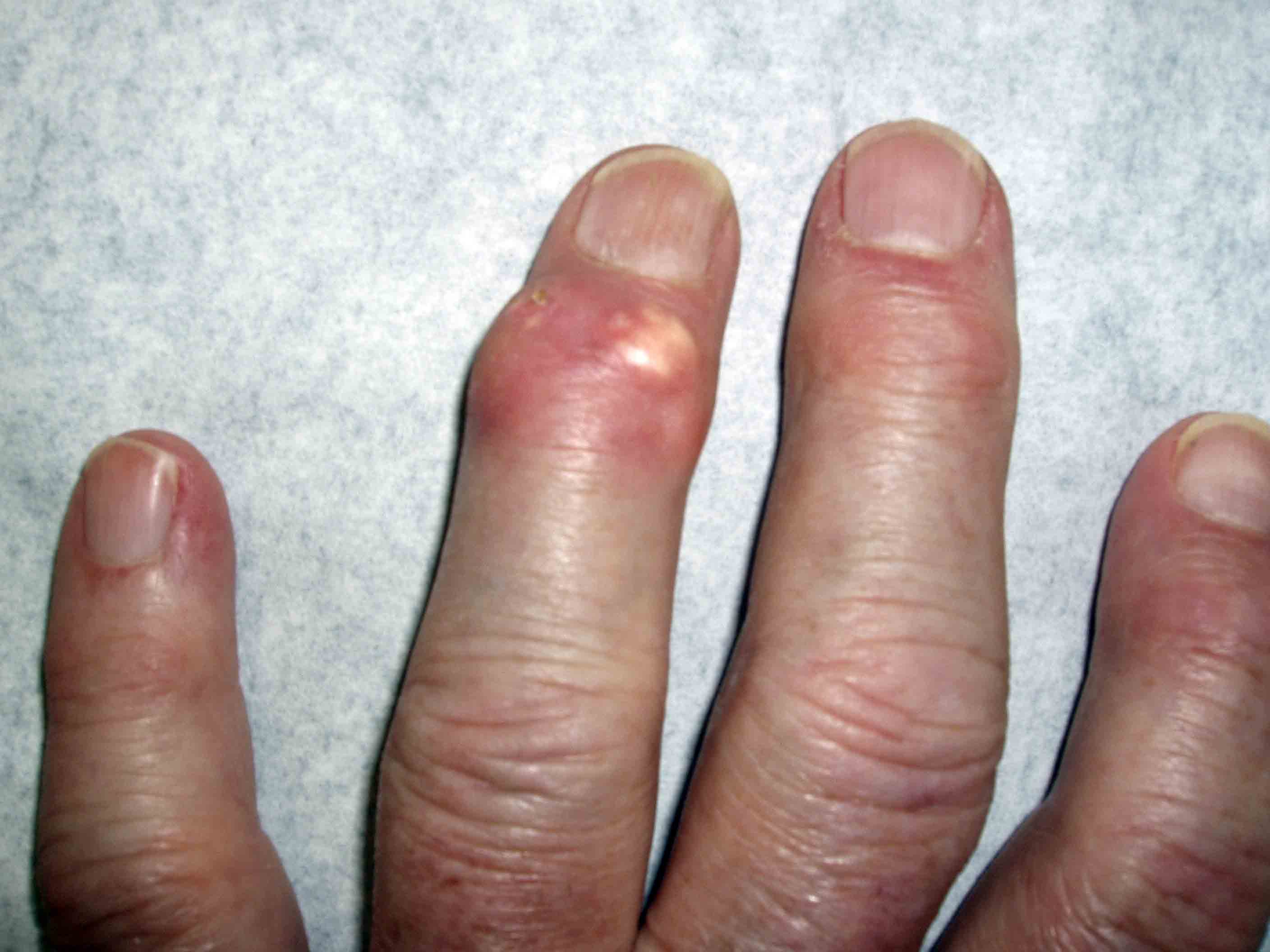 Tophaceous Gout
 -
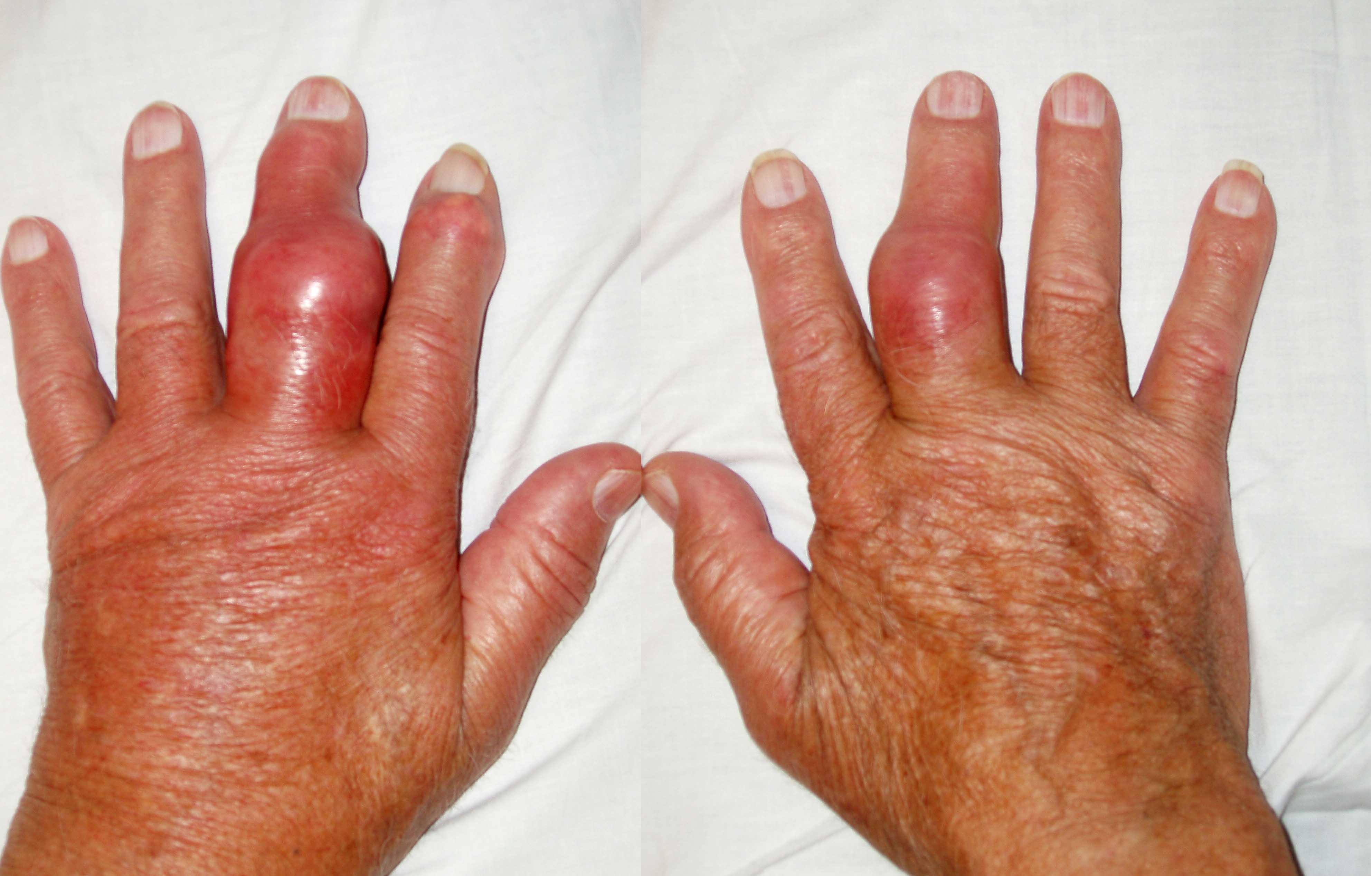 Tophaceous Gout
 -
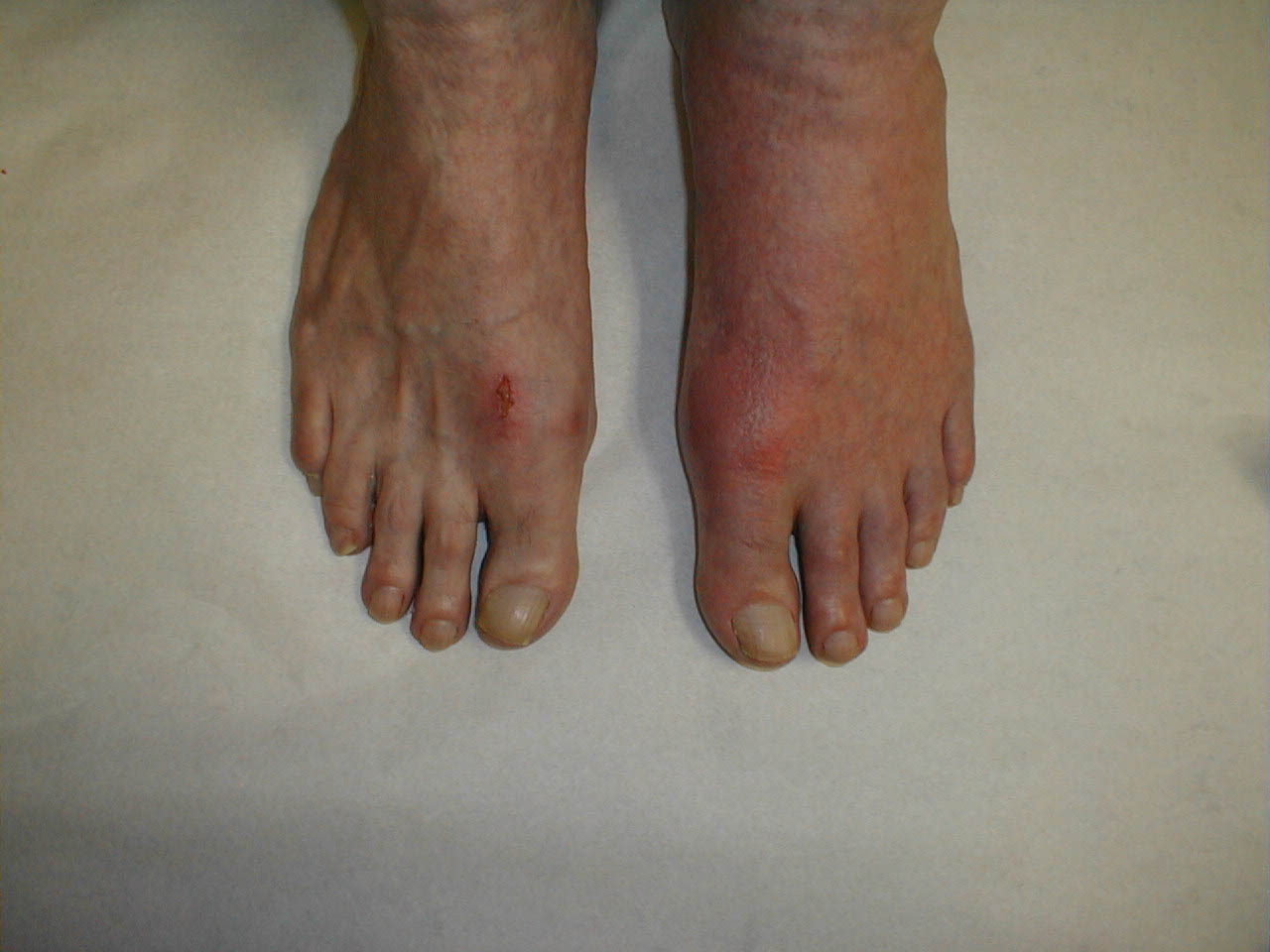 Gout of the Left Great Toe: Diffuse swelling and redness centered at the left MTP joint.
 -
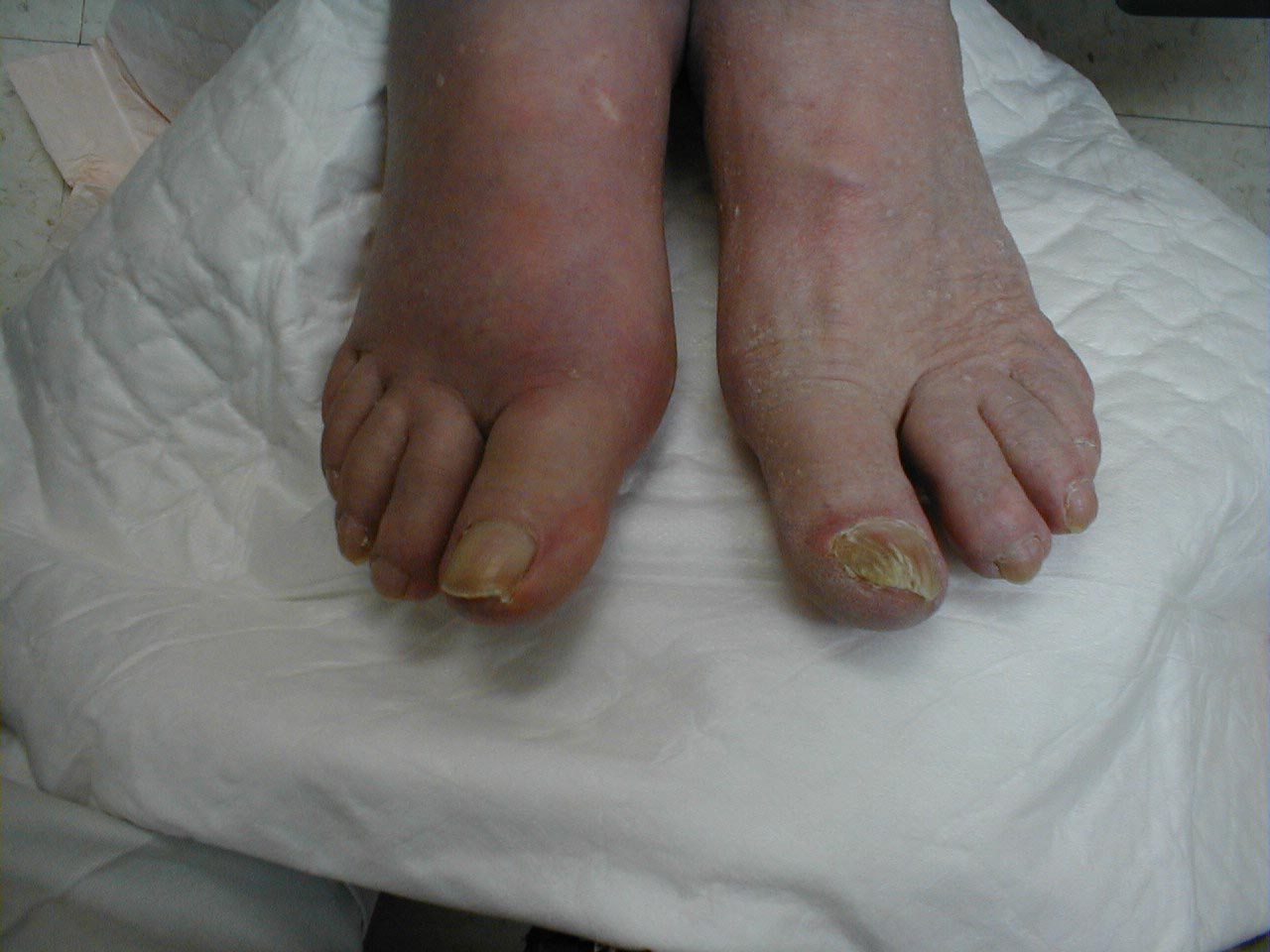 Gout of the Right Great Toe: Diffuse swelling and redness centered at the right MTP joint, but extending over much of the foot.
 -
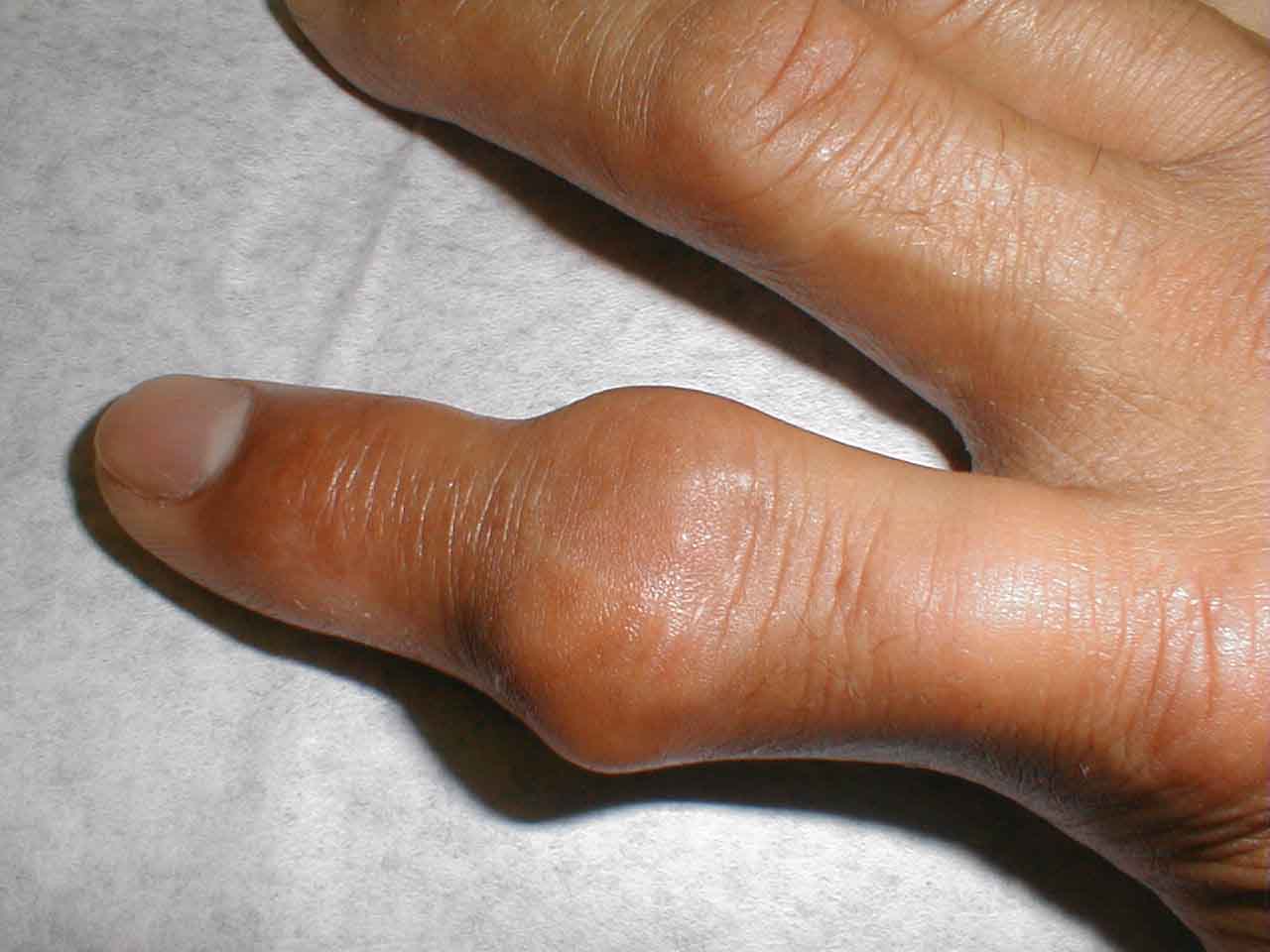 Tophaceous Gout
 -
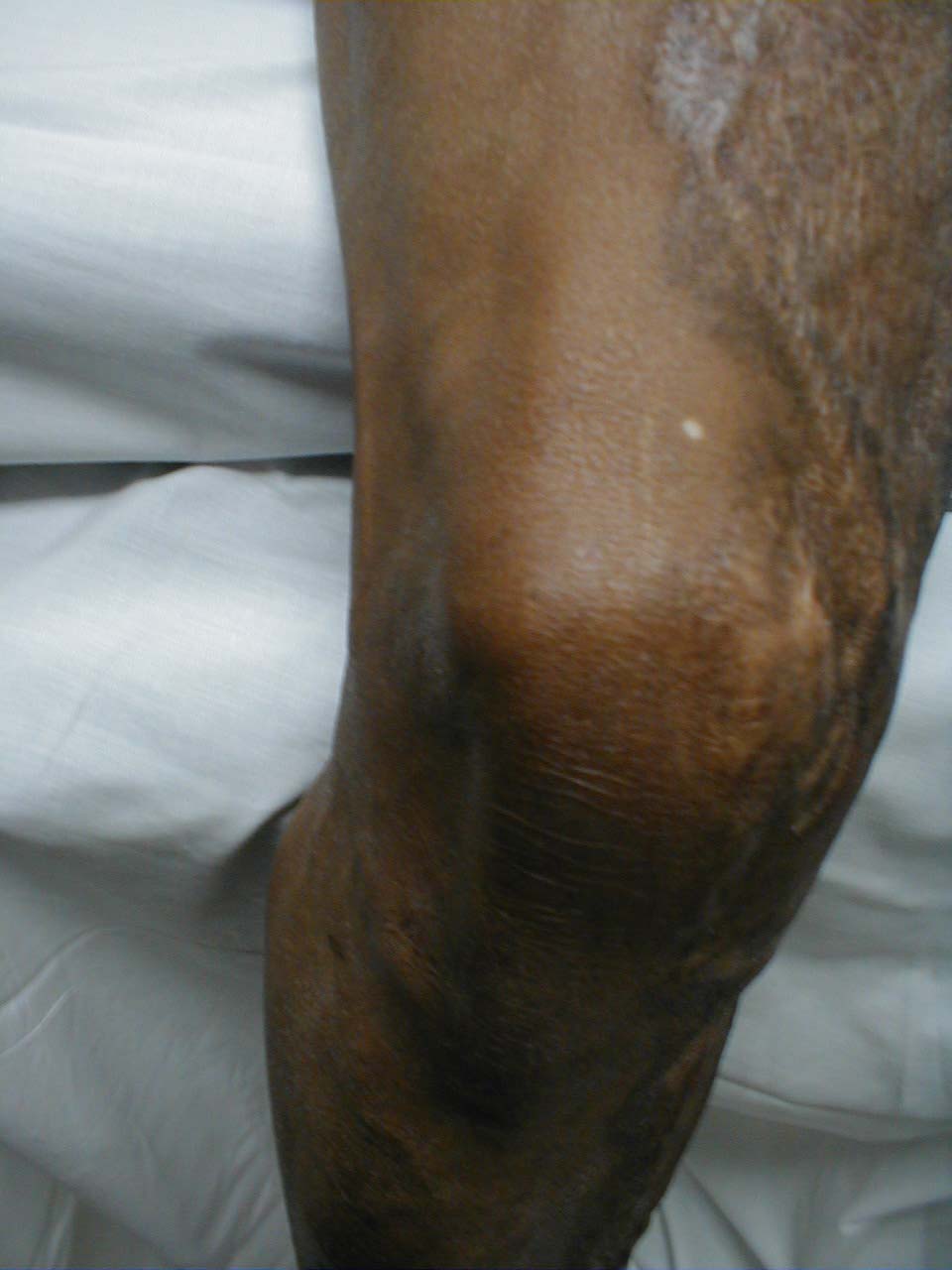 Gout of the Knee: Image demonstrates redness and swelling caused by acute gouty arthritis.
 -
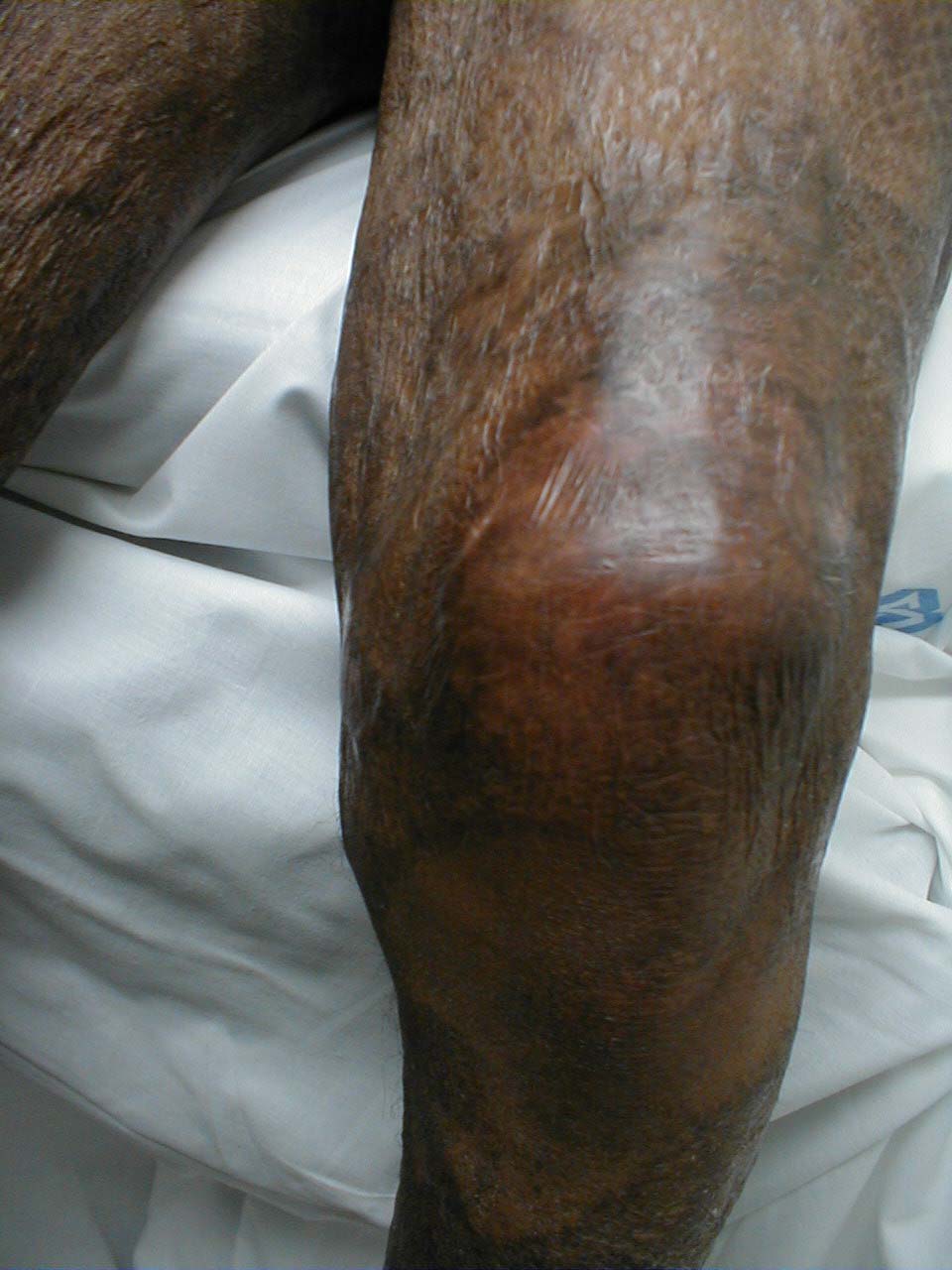 Picture demonstrates normal knee for comparison. skin changes seen in both legs are related to burns that patient suffered previously.
 -
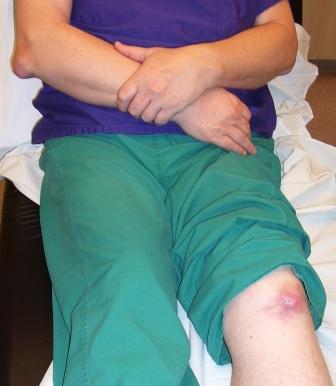 Gout with tophi on elbow and knee.
 -
![Gout (Needles, no birefringence, monosodium urate) [1]](https://www.wikidoc.org/images/0/02/Gout_%28no_birefringence%29.jpg) Gout (Needles, no birefringence, monosodium urate) [1]
Gout (Needles, no birefringence, monosodium urate) [1]


![Gout (Needles, no birefringence, monosodium urate) [1]](https://www.wikidoc.org/index.php/File%3AGout_%28no_birefringence%29.jpg)
Looking for the patient version?
© 2026 MyEClinic – IFTM Institut für Telematik in der Medizin GmbH