

Health Dictionary
Reliable, easy-to-read patient information on common medical conditions — written in plain language, free of jargon, and grounded in current evidence. Browse the most frequent diagnoses, understand what they mean for everyday life, and learn which steps and questions help you have a focused conversation with your doctor.
Maisonneuve fracture
Introduction
Contributors: Cafer Zorkun M.D., PhD.
Overview
Overview
The Maisonneuve fracture is a spiral fracture of the upper third of the fibula associated with a tear of the distal tibiofibular syndesmosis and the interosseous membrane.
There is an associated fracture of the medial malleolus or rupture of the deep deltoid ligament. This type of injury can be difficult to detect.
The Maisonneuve fracture is similar to the Galeazzi and Monteggia fractures.
Etymology
Etymology
The fracture is named after the surgeon, Jules Germain François Maisonneuve.
-
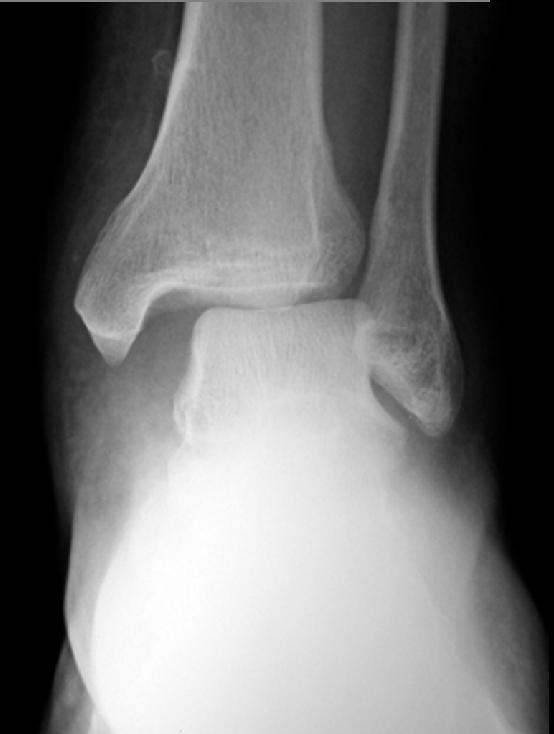 Maisonneuve fracture
 -
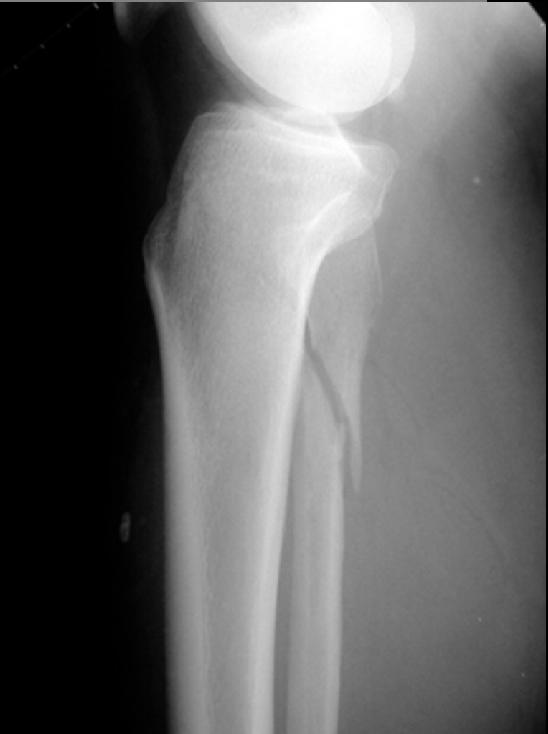 Maisonneuve fracture


References
References
- Tim B. Hunter, Leonard F. Peltier, and Pamela J. Lund. Radiologic History Exhibit : Musculoskeletal Eponyms: Who Are Those Guys?. RadioGraphics 2000 20: 819-736.
- Wilson, F. C. (2000). Fractures of the ankle: pathogenesis and treatment. South Orthop Assoc. Summer. 9(2):105-15.
- Thordarson, D. B. (1999). Detecting and Treating Common Foot and Ankle Fractures: Part 1: The Ankle and Hindfoot. The Physician and Sportsmedicine. 24:9. Sept 9..
Editor-In-Chief: C. Michael Gibson, M.S., M.D. [1]