

Health Dictionary
Reliable, easy-to-read patient information on common medical conditions — written in plain language, free of jargon, and grounded in current evidence. Browse the most frequent diagnoses, understand what they mean for everyday life, and learn which steps and questions help you have a focused conversation with your doctor.
Meningoencephalocele
Introduction
Overview
Overview
Encephalocele, sometimes known by the Latin name cranium bifidum, is a neural tube defect characterized by sac-like protrusions of the brain and the membranes that cover it through openings in the skull. These defects are caused by failure of the neural tube to close completely during fetal development.[1]There have been studies and evidence linking NTD’s to folic acid deficiency. The severity of encephalocele varies, depending on the location. Currently, the only effective treatments are reparative surgeries following birth. The degree to which they can be corrected varies greatly on where and how big the encephalocele is.
Diagnostic Findings
Diagnostic Findings
MRI
-
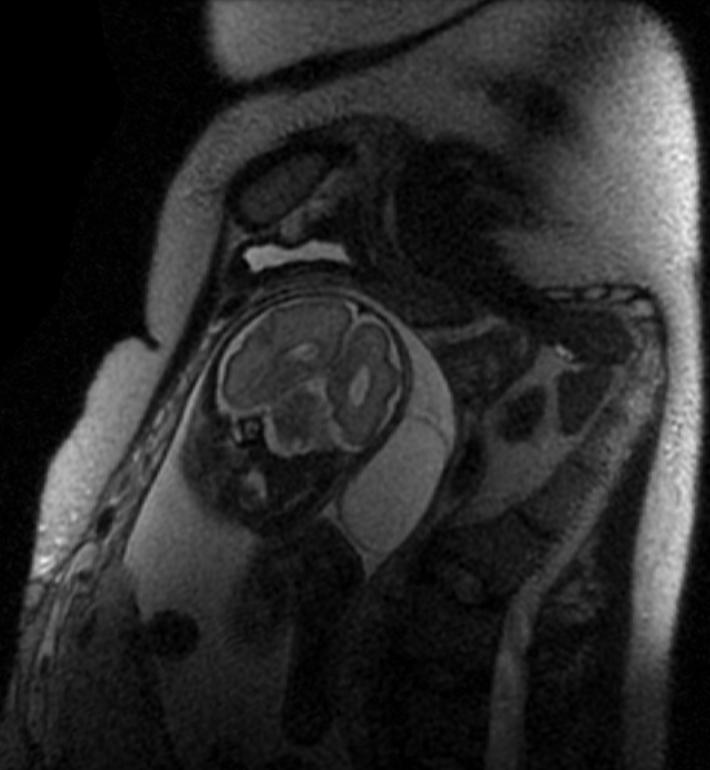 Fetal encephalocele
 -
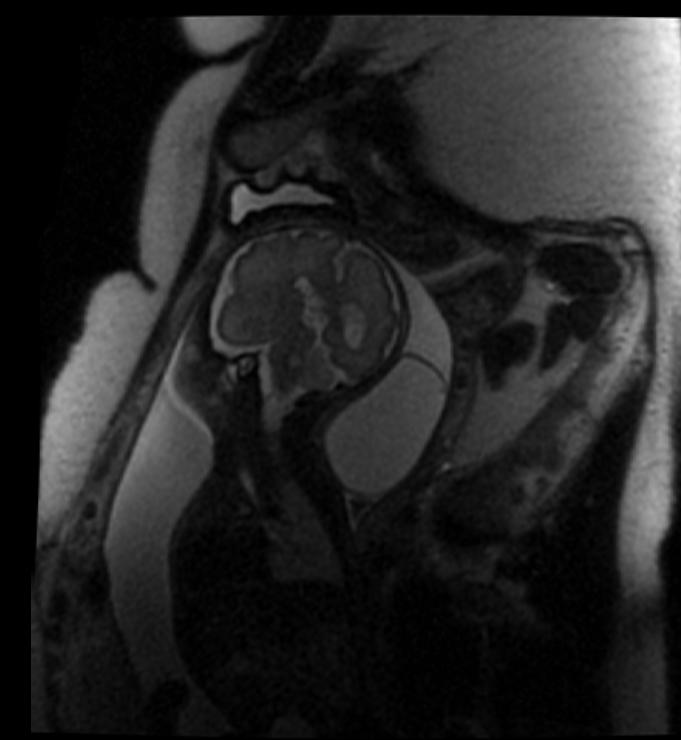 Fetal encephalocele
 -
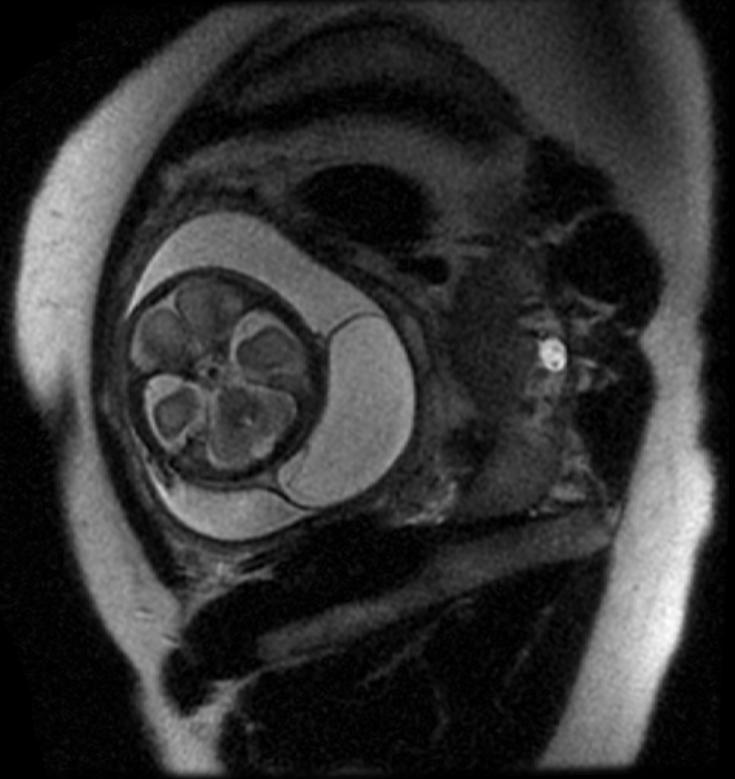 Fetal encephalocele
 -
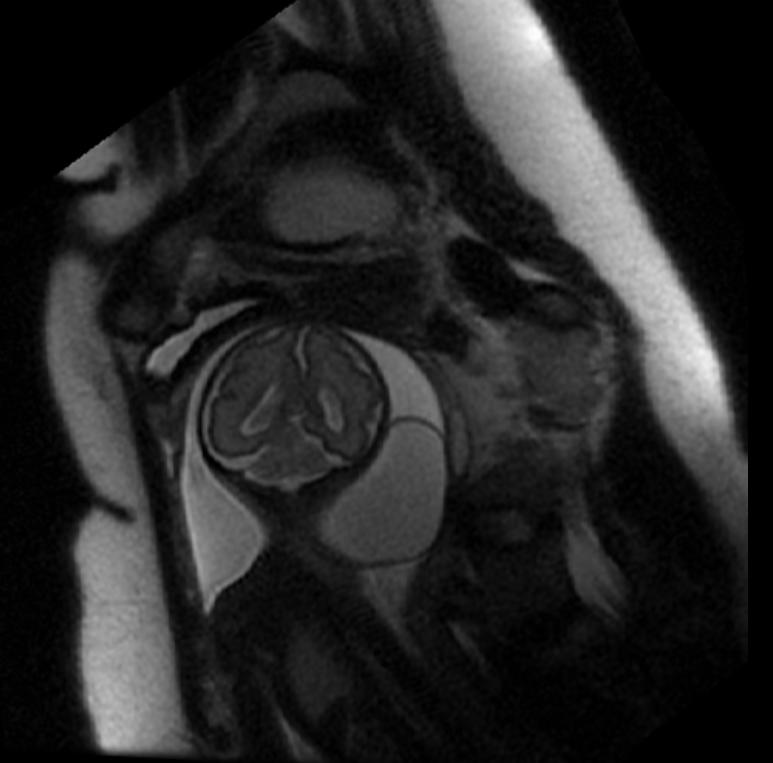 Fetal encephalocele


References
References
- ↑ NINDS Encephaloceles Information Page, NINDS, February 12 2007 . Retrieved on 2007-09-26.
External Links
External Links
- Template:NINDS
- Overview at ucsf.edu
- Encephalocele Yahoo! Group
Template:Congenital malformations and deformations of nervous system
Editor-In-Chief: C. Michael Gibson, M.S., M.D. [1]