

Health Dictionary
Reliable, easy-to-read patient information on common medical conditions — written in plain language, free of jargon, and grounded in current evidence. Browse the most frequent diagnoses, understand what they mean for everyday life, and learn which steps and questions help you have a focused conversation with your doctor.
Myocardial rupture pathophysiology
Introduction
Overview
Overview
The most common cause of myocardial rupture is a recent myocardial infarction, with the rupture typically occurring three to five days after infarction. Other causes of rupture include cardiac trauma, endocarditis (infection of the heart),[1][2] cardiac tumors, infiltrative diseases of the heart,[1] and aortic dissection.
Pathophysiology
Pathophysiology
Myocardial Rupture of the Free Wall
-
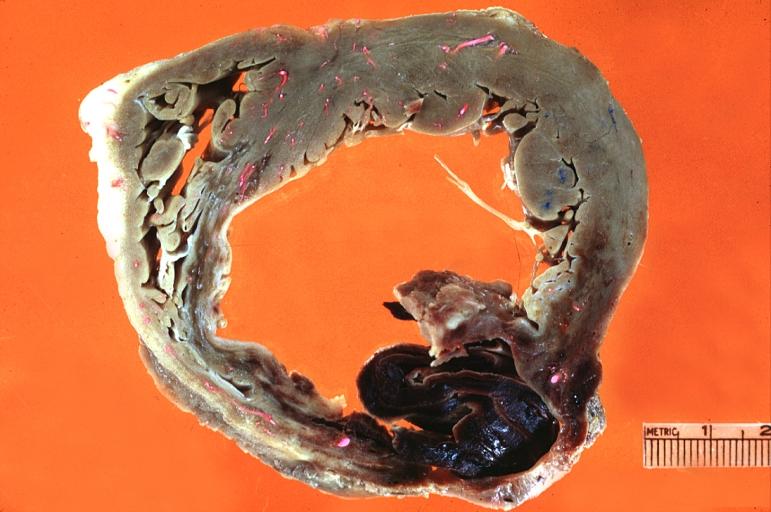 Gross horizontal section of ruptured anterolateral infarct
 -
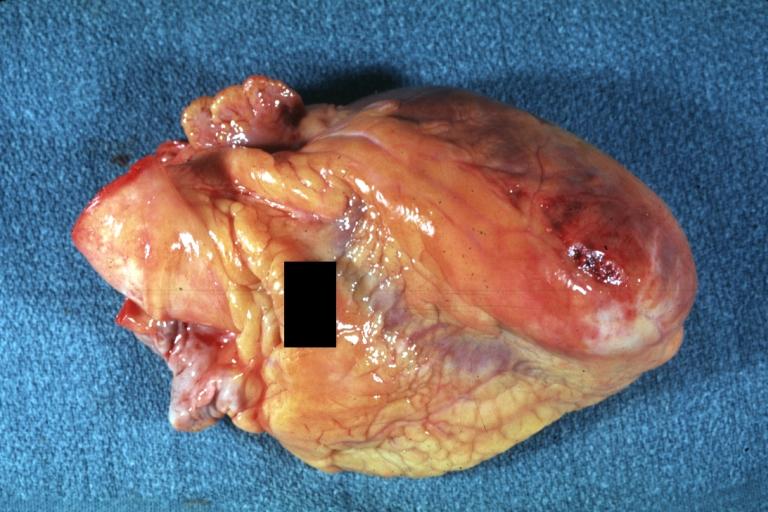 Gross, Acute MI, external view of ruptured myocardial infarction near apex


-
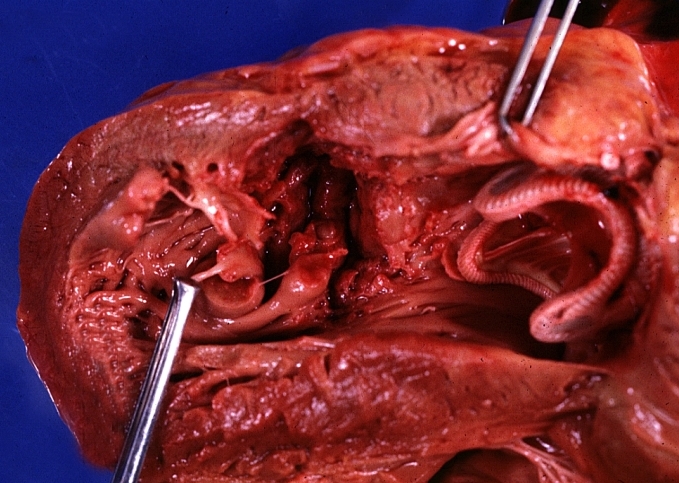 Myocardial rupture
 -
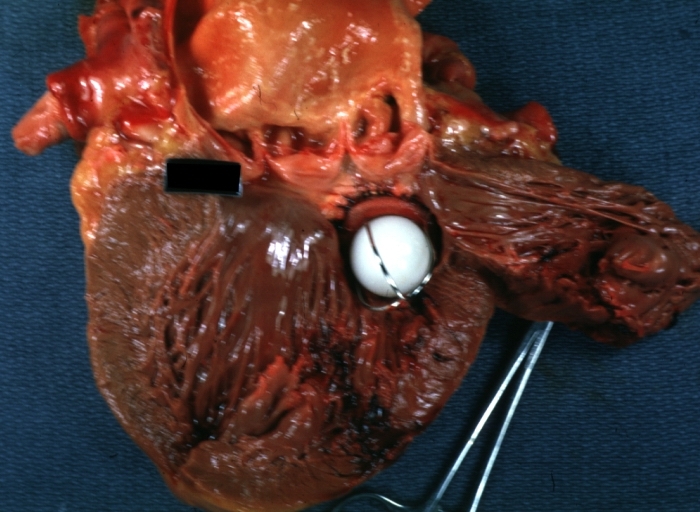 Myocardial rupture


-
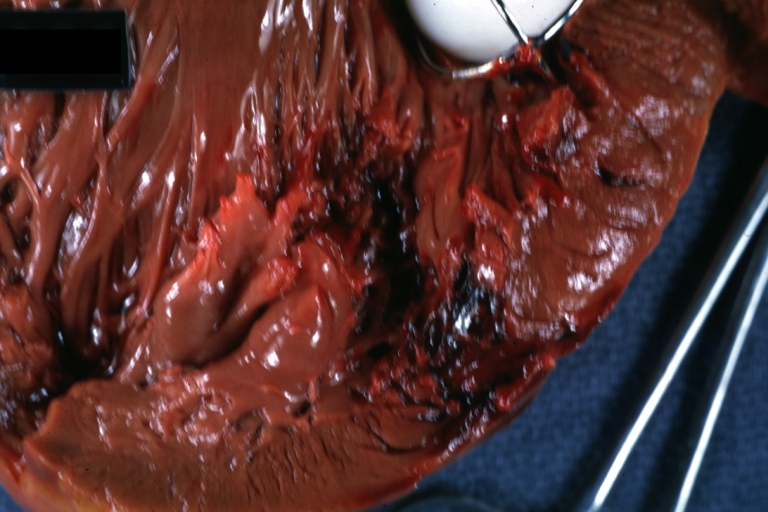 Myocardial rupture
 -
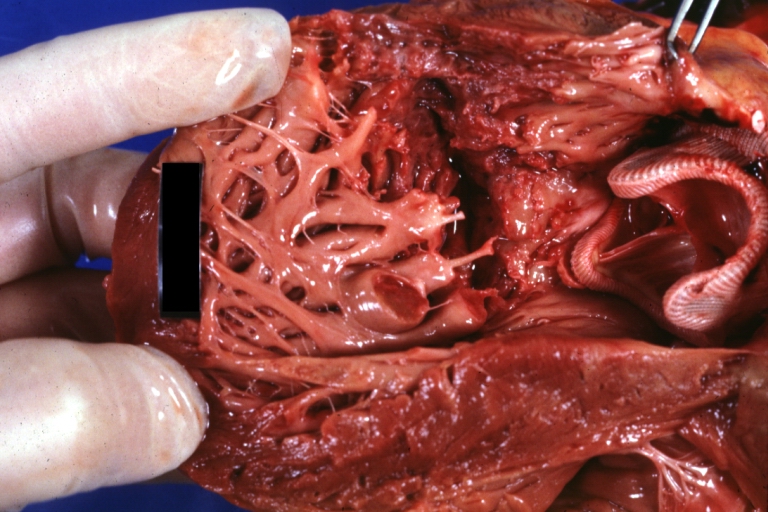 Myocardial rupture


-
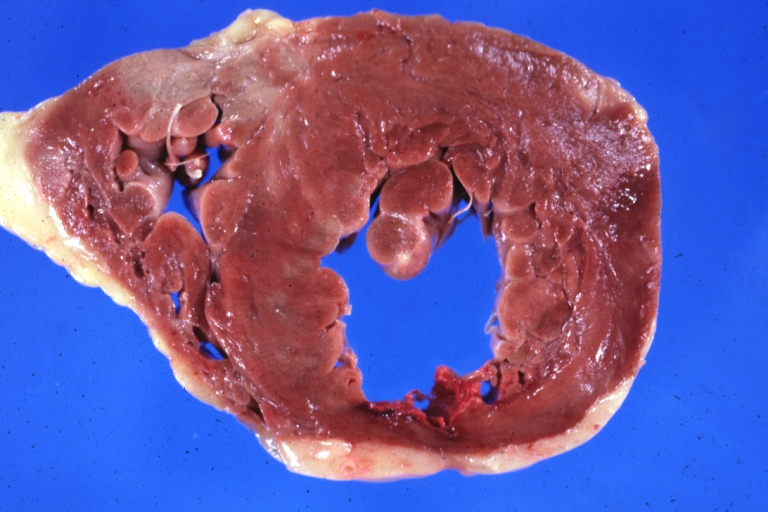 Myocardial rupture
 -
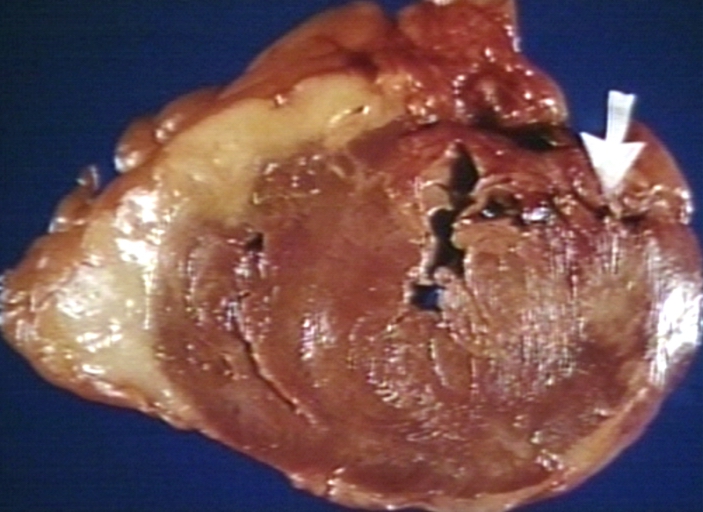 Myocardial rupture


-
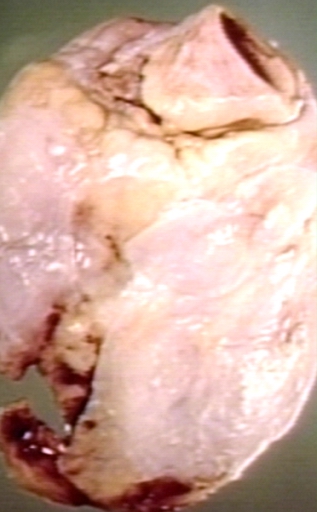 Myocardial rupture: Gun shot

Ventricular Septal Rupture
-
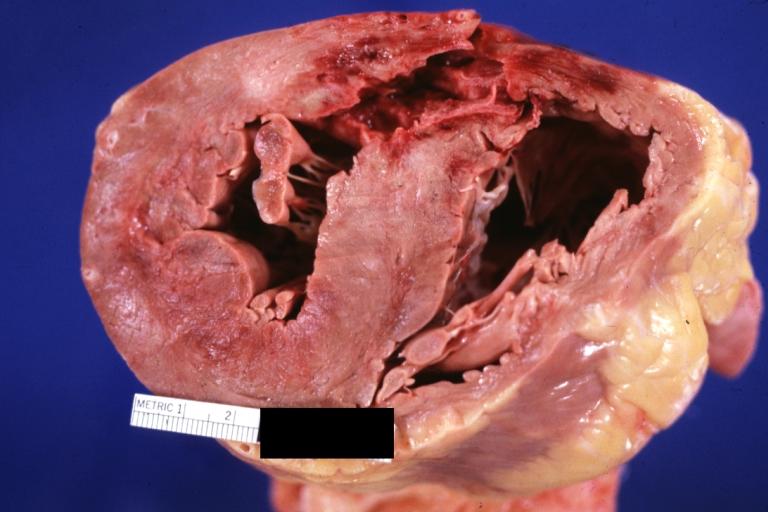 Heart, Acute MI, Ventricular septum rupture at posterior wall.

-
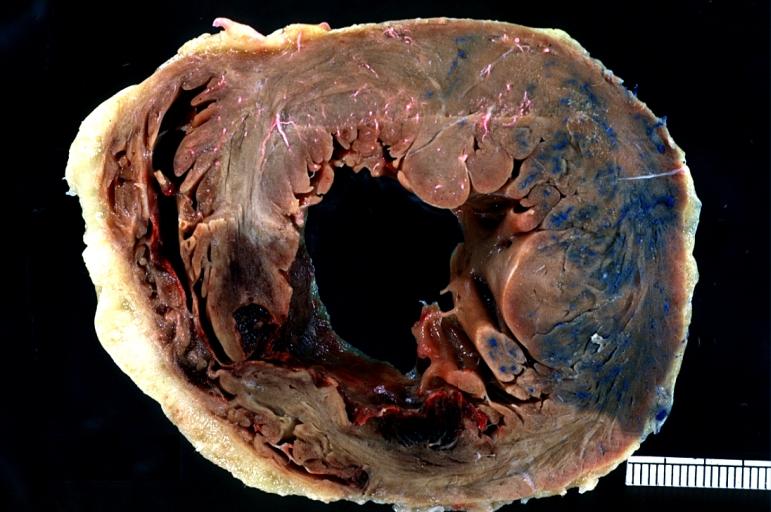 Gross; acute myocardial infarction with ventricular septal rupture

-
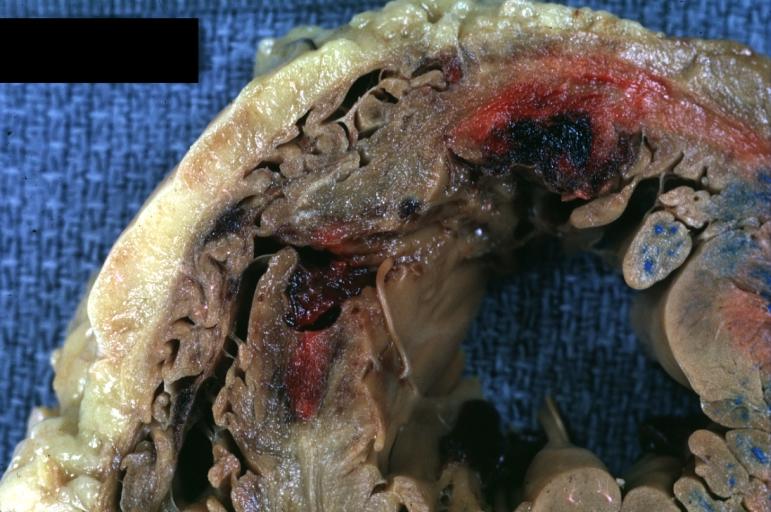 Acute MI, rupture of the ventricular septum. A close up view.

References
References
- ↑ 1.0 1.1 Lin TH, Su HM, Voon WC, Lai HM, Yen HW, Lai WT, Sheu SH. (2006). “Association between hypertension and primary mitral chordae tendinae rupture”. Am J Hypertens. 19 (1): 75–9. PMID 16461195.
- ↑ de Diego C, Marcos-Alberca P, Pai RK. (2006). “Giant periprosthetic vegetation associated with pseudoaneurysmal-like rupture” (PDF). Eur Heart J. 27 (8): 912. PMID 16569654.
Editor-In-Chief: C. Michael Gibson, M.S., M.D. [1]; Associate Editor(s)-In-Chief: Cafer Zorkun, M.D., Ph.D. [2]