

Health Dictionary
Reliable, easy-to-read patient information on common medical conditions — written in plain language, free of jargon, and grounded in current evidence. Browse the most frequent diagnoses, understand what they mean for everyday life, and learn which steps and questions help you have a focused conversation with your doctor.
Salter-Harris fractures
Introduction
Overview
Overview
Salter-Harris fractures are descriptive terms for fractures affecting the growth plate of a bone. Once bone growth has completed, the term “Salter-Harris Fracture” no longer applies.
Classification
Classification
There are six types of Salter-Harris fractures:[1]
- Type I – A transverse fracture through the growth plate (also referred to as the “physis”):[2] 6% incidence
-
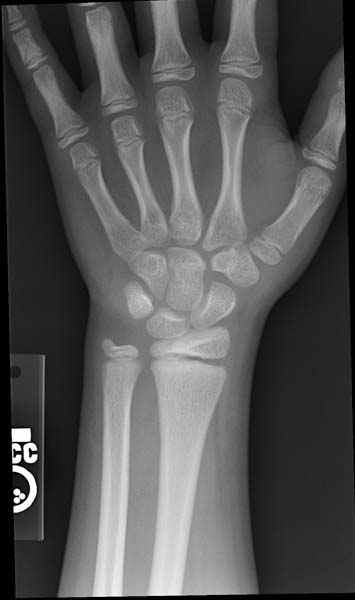 Salter-Harris fracture-I Image courtesy of RadsWiki and copylefted
 -
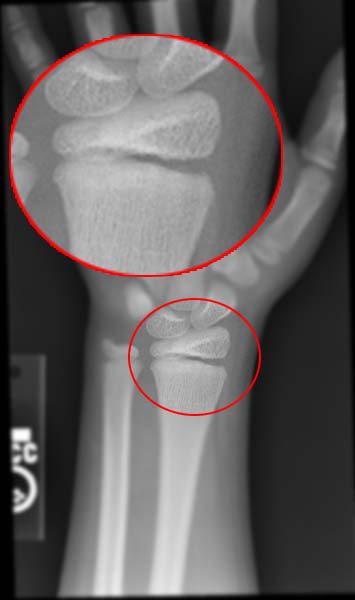 Salter-Harris fracture-I Image courtesy of RadsWiki and copylefted


- Type II – A fracture through the growth plate and the metaphysis, sparing the epiphysis:[3] 75% incidence
-
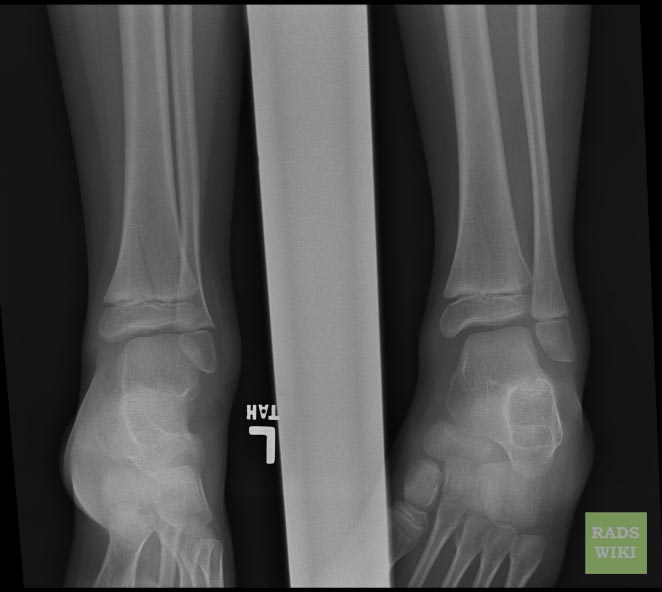 Salter-Harris fracture-II Image courtesy of RadsWiki and copylefted
 -
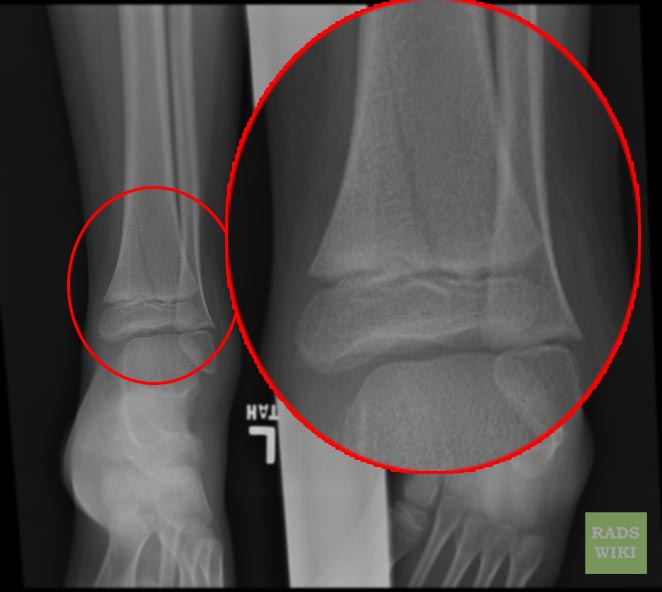 Salter-Harris fracture-II Image courtesy of RadsWiki and copylefted
 -
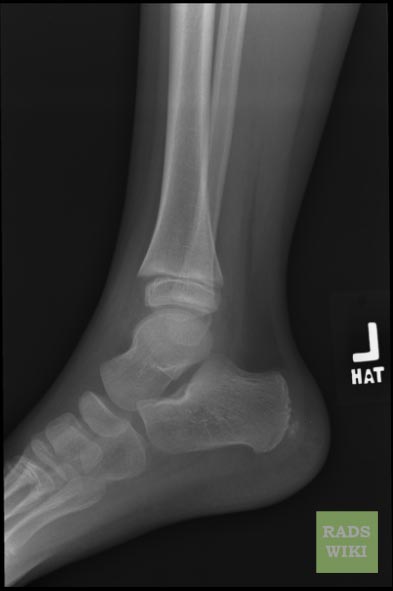 Salter-Harris fracture-II Image courtesy of RadsWiki and copylefted


- Type III – A fracture through growth plate and epiphysis, sparing the metaphysis:[4] 8% incidence
-
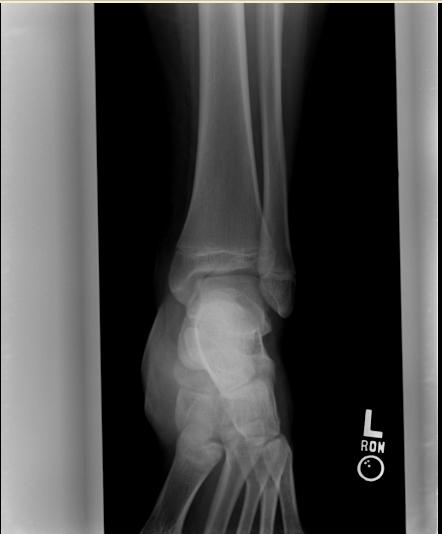 Salter-Harris fracture-III Image courtesy of RadsWiki and copylefted
 -
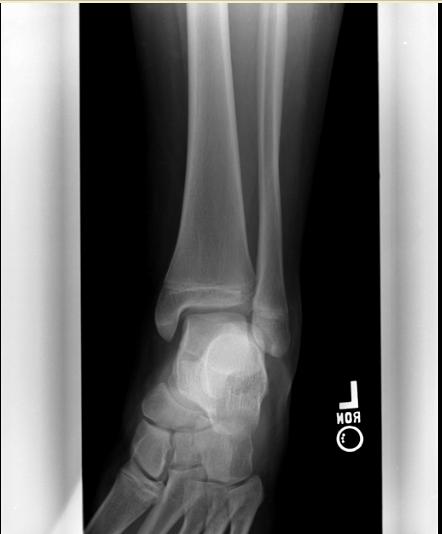 Salter-Harris fracture-III Image courtesy of RadsWiki and copylefted
 -
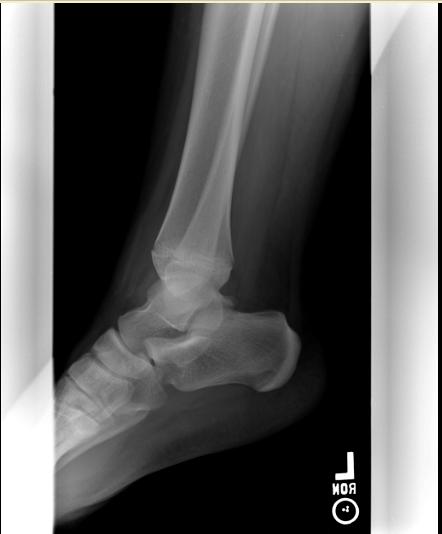 Salter-Harris fracture-III Image courtesy of RadsWiki and copylefted
 -
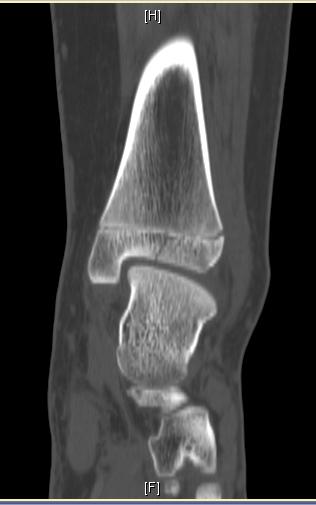 Salter-Harris fracture-III Image courtesy of RadsWiki and copylefted
 -
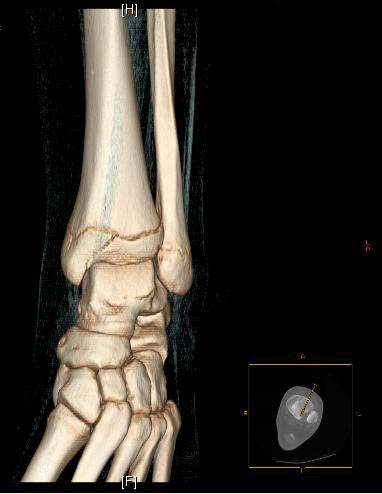 Salter-Harris fracture-III Image courtesy of RadsWiki and copylefted
 -
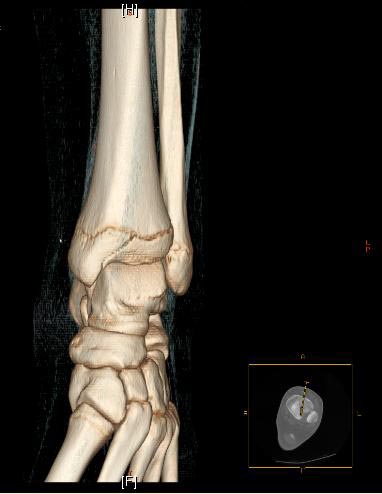 Salter-Harris fracture-III Image courtesy of RadsWiki and copylefted
 -
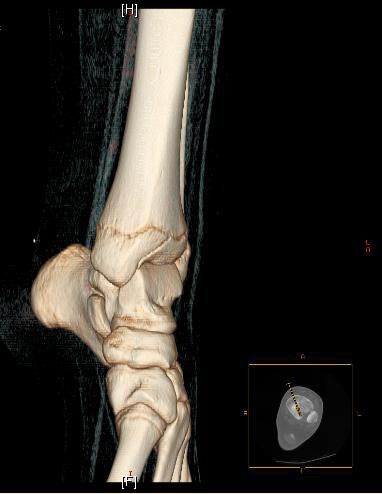 Salter-Harris fracture-III Image courtesy of RadsWiki and copylefted


- Type IV – A fracture through all three elements of the bone, the growth plate, metaphysis, and epiphysis:[5] 10% incidence
-
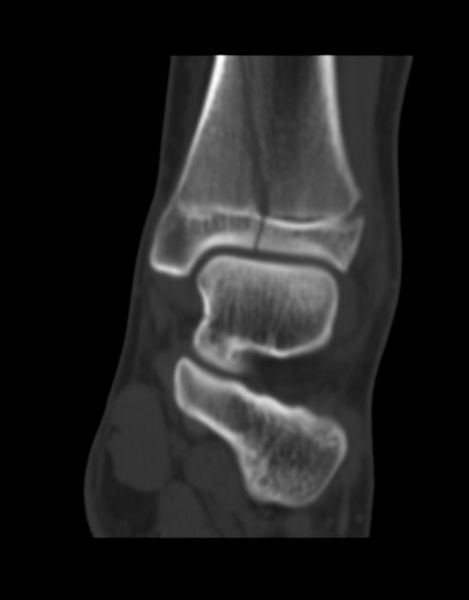 Salter-Harris fracture-IV Image courtesy of RadsWiki and copylefted
 -
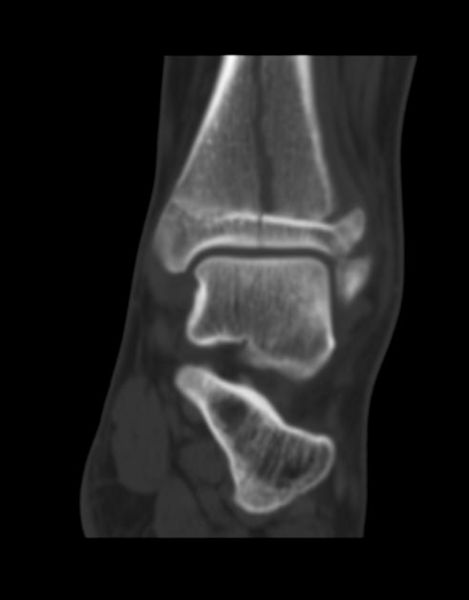 Salter-Harris fracture-IV Image courtesy of RadsWiki and copylefted
 -
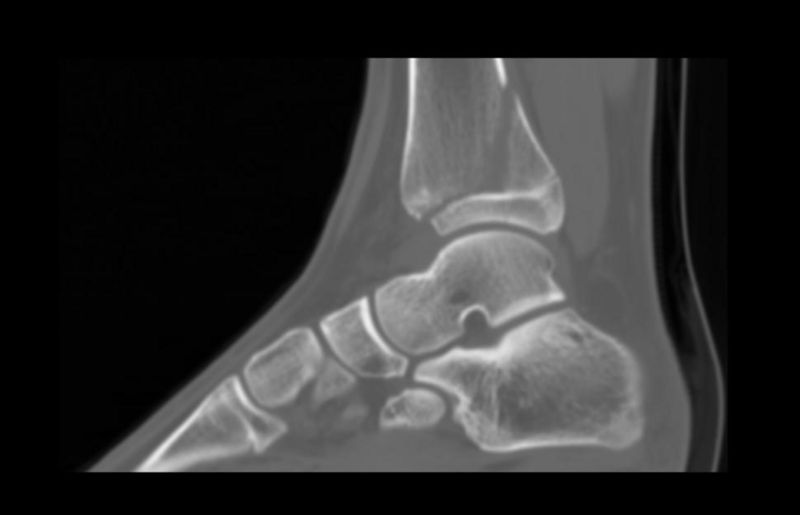 Salter-Harris fracture-IV Image courtesy of RadsWiki and copylefted


- Type V – A compression fracture of the growth plate (resulting in a decrease in the perceived space between the epiphysis and diaphysis on x-ray):[6] 1% incidence
- Type VI – Injury to the peripheral portion of the physis and a resultant bony bridge formation which my produce an angular deformity. (Added in 1969 by Mercer Rang.)
References
References
- ↑ Template:Chorus
- ↑ “S.H. Type I – Wheeless’ Textbook of Orthopaedics”.
- ↑ “S.H. Type II – Wheeless’ Textbook of Orthopaedics”.
- ↑ “Salter Harris Type III Frx – Wheeless’ Textbook of Orthopaedics”.
- ↑ “Salter Harris: Type IV – Wheeless’ Textbook of Orthopaedics”.
- ↑ “Type V – Wheeless’ Textbook of Orthopaedics”.
Editor-In-Chief: C. Michael Gibson, M.S., M.D. [1]; Associate Editor(s)-in-Chief: Prashanth Saddala M.B.B.S