

Health Dictionary
Reliable, easy-to-read patient information on common medical conditions — written in plain language, free of jargon, and grounded in current evidence. Browse the most frequent diagnoses, understand what they mean for everyday life, and learn which steps and questions help you have a focused conversation with your doctor.
Bile duct cyst pathophysiology
Introduction
Overview
Overview
Pathophysiology
Pathophysiology
Bile Duct Anatomy
The path is as follows: Bile canaliculi → Canals of Hering → interlobular bile ducts → intrahepatic bile ducts → left and right hepatic ducts merge to form → common hepatic duct exits liver and joins → cystic duct (from gall bladder) forming → common bile duct → joins with pancreatic duct → forming ampulla of Vater → enters duodenum
-
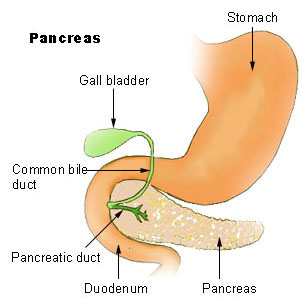 Region of pancreas
 -
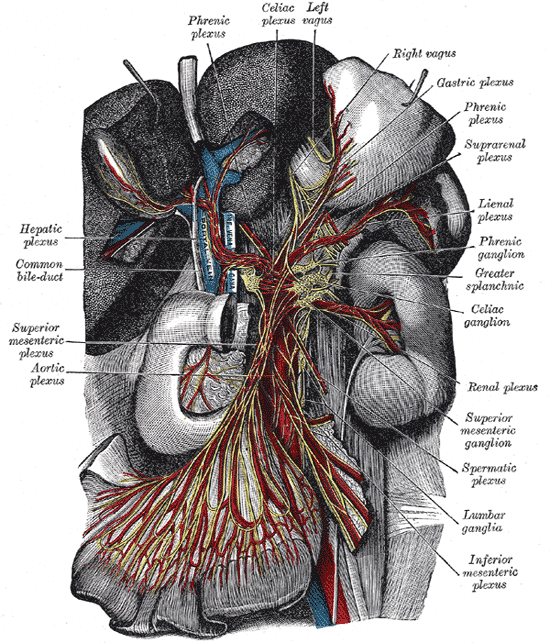 The celiac ganglia with the sympathetic plexuses of the abdominal viscera radiating from the ganglia.
 -
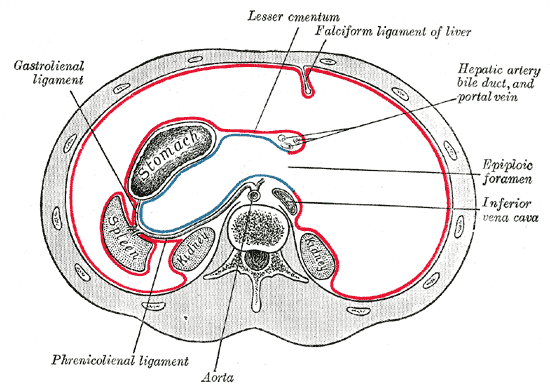 Horizontal disposition of the peritoneum in the upper part of the abdomen.
 -
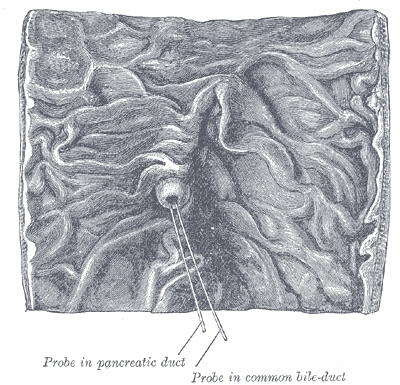 Interior of the descending portion of the duodenum, showing bile papilla.
 -
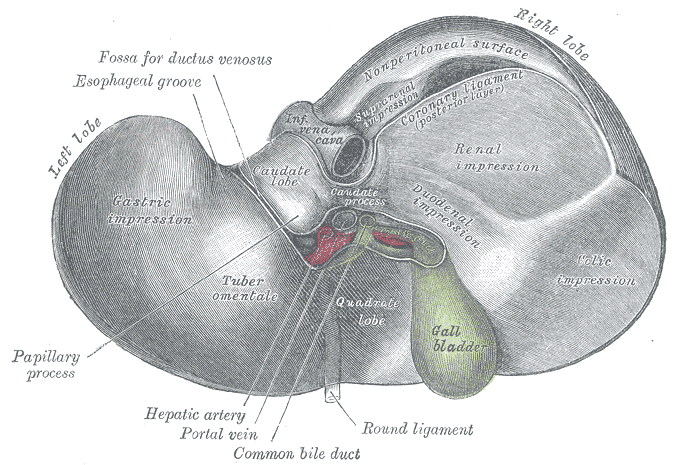 Inferior surface of the liver.
 -
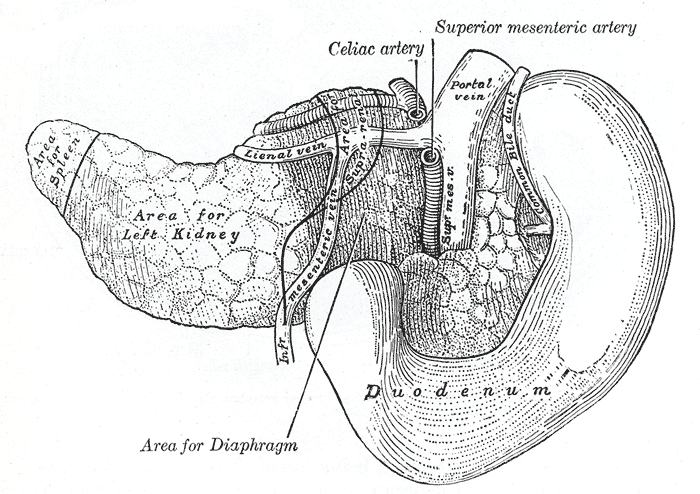 The pancreas and duodenum from behind.
 -
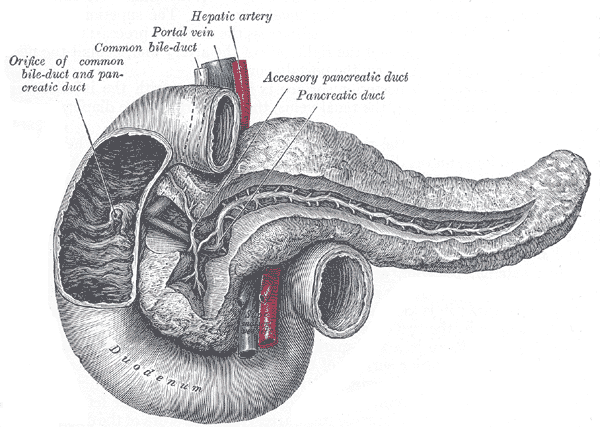 The pancreatic duct.
 -
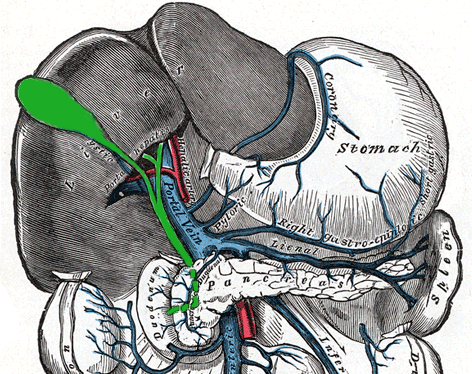 The portal vein and its tributaries.
 -
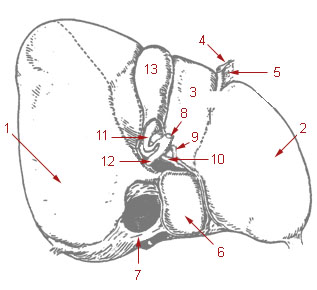 Liver and gallbladder


Editor-In-Chief: C. Michael Gibson, M.S., M.D. [1]