

Health Dictionary
Reliable, easy-to-read patient information on common medical conditions — written in plain language, free of jargon, and grounded in current evidence. Browse the most frequent diagnoses, understand what they mean for everyday life, and learn which steps and questions help you have a focused conversation with your doctor.
Typhus
Introduction
For patient information click here
Synonyms and keywords: Typhus fever; murine typhus; epidemic typhus; endemic typhus; Brill-Zinsser disease; jail fever
Overview
Overview
Typhus a group of diseases caused by louse-borne bacteria. The name comes from the Greek typhos, meaning smoky or lazy, describing the state of mind of those affected with typhus. Rickettsia is endemic in rodent hosts, including mice and rats, and spreads to humans through mites, fleas and body lice. The arthropod vector flourishes under conditions of poor hygiene, such as those found in prisons or refugee camps, amongst the homeless, or until the middle of the 20th century, in armies in the field. In tropical countries, typhus is often mistaken for dengue fever.[1][2][3][4][5]
Historical Perspective
The first description of typhus was given in 1083 at a convent near Salerno, Italy. In 1546, Girolamo Fracastoro, a Florentine physician, described typhus in his famous treatise on viruses and contagion, De Contagione et Contagiosis Morbis. Before a vaccine was developed in World War II, typhus was a devastating disease for humans and has been responsible for a number of epidemics throughout history. These epidemics tend to follow wars, famine, and other conditions that result in mass casualties. The first reliable description of the disease appears during the Spanish siege of Moorish Granada in 1489. These accounts include descriptions of fever and red spots over arms, back and chest, progressing to delirium, gangrenous sores, and the stink of rotting flesh. During the siege, the Spaniards lost 3,000 men to enemy action but an additional 17,000 died of typhus. Typhus was also common in prisons (and in crowded conditions where lice spread easily), where it was known as Gaol fever or Jail fever. Gaol fever often occurs when prisoners are frequently huddled together in dark, filthy rooms. Imprisonment until the next term of court was often equivalent to a death sentence. It was so infectious that prisoners brought before the court sometimes infected the court itself. Following the Assize held at Oxford in 1577, later deemed the Black Assize, over 300 died from Epidemic typhus, including Sir Robert Bell Lord Chief Baron of the Exchequer. The outbreak that followed, between 1557 to 1559, killed about 10% of the English population.[6]
Classification
Typhus is a group of diseases caused by bacteria that are spread to humans by fleas, lice, and chiggers. Typhus fevers include scrub typhus, murine typhus, and epidemic typhus. Chiggers spread scrub typhus, fleas spread murine typhus, and body lice spread epidemic typhus. The most common symptoms are fever, headaches, and sometimes rash.[7]
Pathophysiology
Typhus is a zoonotic disease, humans are infected by the bites from parasites such as fleas, lice, mites, and ticks or by the inoculation of infectious fluids or feces from the parasites into the skin. The incubation period of Typhus fever varies from one to two weeks. Following transmission, rickettsia are ingested by macrophages and polymorphonuclear cells. The major pathology is caused by a vasculitis and its complications. This process may cause result in occlusion of blood vessels and initiates an inflammatory response (aggregation of leukocytes, macrophages, and platelets) resulting in small nodules. This vasculitic process causes destruction of the endothelial cells and leakage of the blood leading to volume depletion with subsequent hypovolemia and decreased tissue perfusion and, possibly, organ failure.[8][9][10][11][12]
Causes
Typhus is caused by one of two types of bacteria Rickettsia typhi or Rickettsia prowazekii. The form of typhus depends on which type of bacteria causes the infection. Rickettsia typhi causes murine or endemic typhus. Endemic typhus is uncommon in the United States. It is usually seen in areas where hygiene is poor and the temperature is cold. Endemic typhus is sometimes called “jail fever.” Murine typhus occurs in the southeastern and southern United States.[1]_Travelers_Health_|_CDC-13|[13]
Differentiating Typhus from other Diseases
Typhus must be differentiated from other diseases that cause fever, rash, diarrhea and vomiting, such as Ebola, Typhoid fever, Malaria and Lassa fever.[14][15][16][17][18]
Epidemiology and Demographics
The Centers for Disease Control and Prevention have documented only 47 cases from 1976 to 2010. According to the World Health Organization, the case fatality rate from typhus is about 1 out of every 5,000,000 people per year. All age groups are at risk for rickettsial infections during travel to endemic areas. The typhus group of infections has no sexual predilection. Scrub typhus, which is transmitted by mites encountered in high grass and brush, is endemic in northern Japan, Southeast Asia, the western Pacific Islands, eastern Australia, China, maritime areas and several parts of south-central Russia, India, and Sri Lanka. R. typhi and R. felis, which are transmitted by fleas, are widely distributed, especially throughout the tropics and subtropics and in port cities and coastal regions with rodents._Travelers_Health_|_CDC-13|[13]Closing </ref> missing for <ref> tag[19][20][21][22][23]
Diagnosis
History and Symptoms
Signs and symptoms of typhus usually appear abruptly, 8–16 days following exposure to infected lice. Illness can vary from mild to severe, and even life-threatening. Symptoms of acute infection are generally non-specific and include fever and chills, headache, rapid breathing, myalgia, rash, cough, nausea, vomiting and altered mental status.[1][5][24][25]
Physical examination
Typhus presents with high-grade fever and a maculopapular rash. Generalized lymphadenopathy is present in majority of the patients. Physical examination usually reveals a combination of several non-specific findings.[5][24][25]
Laboratory findings
Diagnosis of typhus is usually based on clinical recognition and serology, the latter requires comparison of acute- to convalescent-phase serology, so is only helpful in retrospect. Etiologic agents can generally only be identified to the genus level by serologic testing. PCR and immunohistochemical analyses may also be helpful.[26][27][28]
Other diagnostic studies
There is no specific X-ray, CT or MRI finding associated with typhus.
Treatment
Medical Therapy
Treatments for most rickettsial illnesses are similar and include administration of appropriate antibiotics (e.g., tetracyclines, chloramphenicol, azithromycin, fluoroquinolones, and rifampin) and supportive care. Treatment should usually be given empirically prior to disease confirmation, and the particular antimicrobial agent and the length of treatment are dependent upon the disease and the host.[1]
Surgery
Surgical intervention is not recommended for the management of typhus.
Primary Prevention
No licensed vaccines for prevention of rickettsial infections are commercially available in the United States. With the exception of the louse-borne diseases, for which contact with infectious arthropod feces is the primary mode of transmission (through autoinoculation into a wound, conjunctiva, or inhalation), travelers and health-care providers are generally not at risk for becoming infected via exposure to an ill person. Limiting exposures to vectors or animal reservoirs remains the best means for reducing the risk for disease. Travelers should be advised that prevention is based on avoidance of vector-infested habitats, use of repellents and protective clothing, prompt detection and removal of arthropods from clothing and skin, and attention to hygiene.[1]
References
- ↑ 1.0 1.1 1.2 1.3 1.4 “Information for Health Care Providers”.
- ↑ Fang R, Blanton LS, Walker DH (2017). “Rickettsiae as Emerging Infectious Agents”. Clin. Lab. Med. 37 (2): 383–400. doi:10.1016/j.cll.2017.01.009. PMID 28457356.
- ↑ Tsioutis C, Zafeiri M, Avramopoulos A, Prousali E, Miligkos M, Karageorgos SA (2017). “Clinical and laboratory characteristics, epidemiology, and outcomes of murine typhus: A systematic review”. Acta Trop. 166: 16–24. doi:10.1016/j.actatropica.2016.10.018. PMID 27983969.
- ↑ Peter JV, Sudarsan TI, Prakash JA, Varghese GM (2015). “Severe scrub typhus infection: Clinical features, diagnostic challenges and management”. World J Crit Care Med. 4 (3): 244–50. doi:10.5492/wjccm.v4.i3.244. PMC 4524821. PMID 26261776.
- ↑ 5.0 5.1 5.2 “Epidemic Typhus”.
- ↑ “MAINTENANCE OF HUMAN-FED LIVE LICE IN THE LABORATORY AND PRODUCTION OF WEIGL’S EXANTHEMATOUS TYPHUS VACCINE”.
- ↑ “Typhus Fevers”.
- ↑ Rajapakse S, Rodrigo C, Fernando D (2012). “Scrub typhus: pathophysiology, clinical manifestations and prognosis”. Asian Pac J Trop Med. 5 (4): 261–4. doi:10.1016/S1995-7645(12)60036-4. PMID 22449515.
- ↑ Walker DH, Valbuena GA, Olano JP (2003). “Pathogenic mechanisms of diseases caused by Rickettsia”. Ann. N. Y. Acad. Sci. 990: 1–11. PMID 12860594.
- ↑ Bechah Y, Capo C, Mege JL, Raoult D (2008). “Rickettsial diseases: from Rickettsia-arthropod relationships to pathophysiology and animal models”. Future Microbiol. 3 (2): 223–36. doi:10.2217/17460913.3.2.223. PMID 18366341.
- ↑ Sahni SK, Rydkina E (2009). “Host-cell interactions with pathogenic Rickettsia species”. Future Microbiol. 4 (3): 323–39. doi:10.2217/fmb.09.6. PMC 2775711. PMID 19327117.
- ↑ Sahni SK, Narra HP, Sahni A, Walker DH (2013). “Recent molecular insights into rickettsial pathogenesis and immunity”. Future Microbiol. 8 (10): 1265–88. doi:10.2217/fmb.13.102. PMC 3923375. PMID 24059918.
- ↑ _Travelers_Health_|_CDC_13-0|13.0 _Travelers_Health_|_CDC_13-1|13.1 “Rickettsial (Spotted & Typhus Fevers) & Related Infections (Anaplasmosis & Ehrlichiosis) – Chapter 3 – 2016 Yellow Book | Travelers’ Health | CDC”.
- ↑ Brown CS, Mepham S, Shorten RJ (2017). “Ebola Virus Disease: An Update on Epidemiology, Symptoms, Laboratory Findings, Diagnostic Issues, and Infection Prevention and Control Issues for Laboratory Professionals”. Clin. Lab. Med. 37 (2): 269–284. doi:10.1016/j.cll.2017.01.003. PMID 28457350.
- ↑ Bebell LM, Oduyebo T, Riley LE (2017). “Ebola virus disease and pregnancy: A review of the current knowledge of Ebola virus pathogenesis, maternal, and neonatal outcomes”. Birth Defects Res. 109 (5): 353–362. doi:10.1002/bdra.23558. PMID 28398679.
- ↑ Spanò S (2016). “Mechanisms of Salmonella Typhi Host Restriction”. Adv. Exp. Med. Biol. 915: 283–94. doi:10.1007/978-3-319-32189-9_17. PMID 27193549.
- ↑ Basu S, Sahi PK (2017). “Malaria: An Update”. Indian J Pediatr. doi:10.1007/s12098-017-2332-2. PMID 28357581.
- ↑ Brosh-Nissimov T (2016). “Lassa fever: another threat from West Africa”. Disaster Mil Med. 2: 8. doi:10.1186/s40696-016-0018-3. PMC 5330145. PMID 28265442.
- ↑ Zhou YH, Xia FQ, Van Poucke S, Zheng MH (2016). “Successful Treatment of Scrub Typhus-Associated Hemophagocytic Lymphohistiocytosis With Chloramphenicol: Report of 3 Pediatric Cases and Literature Review”. Medicine (Baltimore). 95 (8): e2928. doi:10.1097/MD.0000000000002928. PMC 4779037. PMID 26937940.
- ↑ Taylor AJ, Paris DH, Newton PN (2015). “A Systematic Review of Mortality from Untreated Scrub Typhus (Orientia tsutsugamushi)”. PLoS Negl Trop Dis. 9 (8): e0003971. doi:10.1371/journal.pntd.0003971. PMC 4537241. PMID 26274584.
- ↑ Delord M, Socolovschi C, Parola P (2014). “Rickettsioses and Q fever in travelers (2004-2013)”. Travel Med Infect Dis. 12 (5): 443–58. doi:10.1016/j.tmaid.2014.08.006. PMID 25262433.
- ↑ van der Vaart TW, van Thiel PP, Juffermans NP, van Vugt M, Geerlings SE, Grobusch MP, Goorhuis A (2014). “Severe murine typhus with pulmonary system involvement”. Emerging Infect. Dis. 20 (8): 1375–7. doi:10.3201/eid2008.131421. PMC 4111165. PMID 25062435.
- ↑ Dotters-Katz SK, Kuller J, Heine RP (2013). “Arthropod-borne bacterial diseases in pregnancy”. Obstet Gynecol Surv. 68 (9): 635–49. doi:10.1097/OGX.0b013e3182a5ed46. PMID 25102120.
- ↑ 24.0 24.1 “Murine Typhus”.
- ↑ 25.0 25.1 “Scrub Typhus”.
- ↑ Blacksell SD, Bryant NJ, Paris DH, Doust JA, Sakoda Y, Day NP (2007). “Scrub typhus serologic testing with the indirect immunofluorescence method as a diagnostic gold standard: a lack of consensus leads to a lot of confusion”. Clin. Infect. Dis. 44 (3): 391–401. doi:10.1086/510585. PMID 17205447.
- ↑ Kovácová E, Kazár J (2000). “Rickettsial diseases and their serological diagnosis”. Clin. Lab. 46 (5–6): 239–45. PMID 10853230.
- ↑ Chong Y (1989). “Application of serologic diagnosis of tsutsugamushi disease (scrub typhus) in Korea where the disease was recently recognized to be endemic”. Yonsei Med. J. 30 (2): 111–7. doi:10.3349/ymj.1989.30.2.111. PMID 2678763.
Editor-In-Chief: C. Michael Gibson, M.S., M.D. [1] ; Associate Editor(s)-in-Chief: Aditya Ganti M.B.B.S. [2]
Historical Perspective
Overview
The first description of typhus was probably given in 1083 at a convent near Salerno, Italy. In 1546, Girolamo Fracastoro, a Florentine physician, described typhus in his famous treatise on viruses and contagion, De Contagione et Contagiosis Morbis. Before a vaccine was developed in World War II, typhus was a devastating disease for humans and has been responsible for a number of epidemics throughout history. These epidemics tend to follow wars, famine, and other conditions that result in mass causalties. The first reliable description of the disease appears during the Spanish siege of Moorish Granada in 1489. These accounts include descriptions of fever and red spots over arms, back and chest, progressing to delirium, gangrenous sores, and the stink of rotting flesh. During the siege, the Spaniards lost 3,000 men to enemy action but an additional 17,000 died of typhus. Typhus was also common in prisons (and in crowded conditions where lice spreads easily), where it was known as Gaol fever or Jail fever. Gaol fever often occurs when prisoners are frequently huddled together in dark, filthy rooms. Imprisonment until the next term of court was often equivalent to a death sentence. It was so infectious that prisoners brought before the court sometimes infected the court itself. Following the Assize held at Oxford in 1577, later deemed the Black Assize, over 300 died from Epidemic typhus, including Sir Robert Bell Lord Chief Baron of the Exchequer. The outbreak that followed, between 1557 to 1559, killed about 10% of the English population.
Historical perspective
- In 1083, typhus was first identified as a disease in Spain.
- In 1489, during the Spanish siege of Moorish Granada, the first reliable description of the disease was made.
- In 1546, Fracastoro extensively described the disease and distinguished it from plague in his book Contagione.
- In 1676, Von Zavorziz wrote a book on typhus called “The Infection of Military Camps”.
- In 1739, Huxham stated typhus and typhoid as two different entities, later in the same year Boissier de Sauvages confirmed this and called it exanthematous typhus.
- In 1829, Louis, French clinician clearly differentiated typhus fever from typhoid fever.
- In 1836, Gerhard(United States) clearly distinguished the two diseases from each other based on pathologic findings.
- In 1909, Charles Nicolle for the first time described the role of lice bite in transmission of typhus. In 1928, he was awarded the Nobel Prize for his discovery.
- In 1916, Weil and Felix reported the isolation of a Proteus that was agglutinated by the sera of patients with typhus, which was the basis for the first serological test for the disease.
- In 1916, DaRocha-Lima isolated and identified Rickettsia prowazekii.
- In 1926, Maxcy described the various forms of typhus.
- In 1938, Starzyk demonstrated that patients are infected by the feces and not the bite of the louse.
- In 1922, Wolbach described the human histopathology of R prowazekii infection.[1]
- In 1938, Cox was successful in growing cell cultures of R prowazekii in embryonated eggs.[2]
- In 1940, Cox and Bell prepared an epidemic typhus vaccine based upon the use of tissue culture.
- In 1943–1944, during world war II DDT (a pesticide) was employed to control lice and typhus.
- In 1998, Andersson et al, sequenced the entire genome after much study of the fundamental mechanisms of R prowazekii’s intracellular life and its effects on host cells.[3]
-
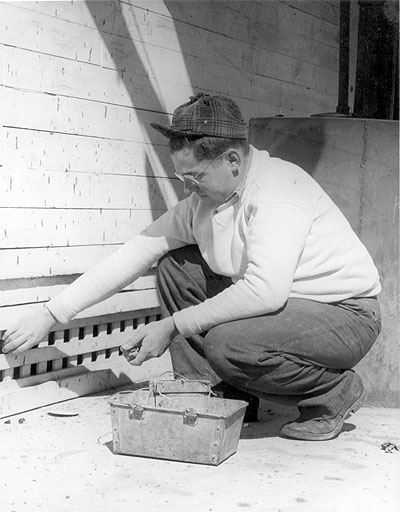 Civilian Public Service worker distributes rat poison for typhus control in Gulfport, Mississippi, ca. 1945.
 -
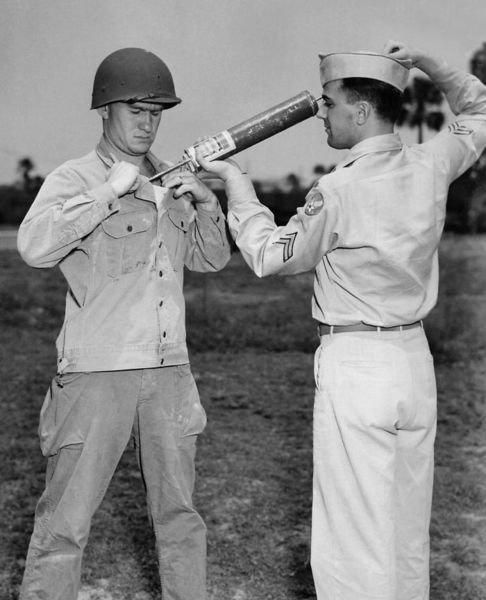 A U.S. soldier is demonstrating DDT-hand spraying equipment. DDT was used to control the spread of typhus-carrying lice.


References
- ↑ Woodward TE (1971). “Typhus verdict in American history”. Trans. Am. Clin. Climatol. Assoc. 82: 1–8. PMC 2441062. PMID 4997497.
- ↑ Cox, Herald R. (1938). “Use of Yolk Sac of Developing Chick Embryo as Medium for Growing Rickettsiae of Rocky Mountain Spotted Fever and Typhus Groups”. Public Health Reports (1896-1970). 53 (51): 2241. doi:10.2307/4582741. ISSN 0094-6214.
- ↑ Andersson SG, Zomorodipour A, Andersson JO, Sicheritz-Pontén T, Alsmark UC, Podowski RM, Näslund AK, Eriksson AS, Winkler HH, Kurland CG (1998). “The genome sequence of Rickettsia prowazekii and the origin of mitochondria”. Nature. 396 (6707): 133–40. doi:10.1038/24094. PMID 9823893.
Editor-In-Chief: C. Michael Gibson, M.S., M.D. [1] ; Associate Editor(s)-in-Chief: Aditya Ganti M.B.B.S. [2]
Classification
Overview
Typhus fevers are a group of diseases caused by bacteria that are spread to humans by fleas, lice, and chiggers. Typhus fevers include scrub typhus, murine typhus, and epidemic typhus. Chiggers spread scrub typhus, fleas spread murine typhus, and body lice spread epidemic typhus. The most common symptoms are fever, headaches, and rash.
Classification
Epidemic typhus
- Epidemic typhus is so named because the disease often causes epidemics following wars and natural disasters.[1]
- The causative organism is Rickettsia prowazekii, transmitted by the human body louse (Pediculus humanus humanus).[2]
- Feeding on a human who carries the bacillus infects the louse. R. prowazekii grows in the louse’s gut and is excreted in its feces.
- The disease is then transmitted to an uninfected human who scratches the louse bite (which itches) and rubs the feces into the wound.
- The abysmally low standards of hygiene enforced in camps such as Theresienstadt and Bergen-Belsen created conditions where diseases such as typhus flourished.
- A possible modern scenario for typhus epidemics would be in refugee camps during a major famine or natural disaster. This form of typhus is also known as “prison fever” or “ship fever” because it becomes prevalent in crowded conditions in prisons and aboard ships.
Endemic typhus
- Endemic typhus (also called “flea-borne typhus” and “murine typhus” or “rat flea typhus”) is caused by the bacteria Rickettsia typhi, and is transmitted by the fleas that infest rats. [3]
- Less often, endemic typhus is caused by Rickettsia felis and transmitted by fleas carried by cats or possums. Symptoms of endemic typhus include headache, fever, chills, myalgia, nausea, vomiting, and cough.
- Endemic typhus is highly treatable with antibiotics.[3] Most people recover fully, but death may occur in the elderly, severely disabled or patients with a depressed immune system.
Scrub typhus
- Scrub typhus (also called “chigger-borne typhus”) is caused by Orientia tsutsugamushi and transmitted by chiggers, which are found in areas of heavy scrub vegetation.
- Symptoms include fever, headache, muscle pain, cough, and gastrointestinal symptoms. More virulent strains of O. tsutsugamushi can cause hemorrhaging and intravascular coagulation.
References
- ↑ “Diseases P-T at sedgleymanor.com”. Retrieved 2007-07-17.
- ↑ Gray, Michael W. Rickettsia, typhus and the mitochondrial connection Nature 396, 109 – 110 (12 November 1998)].
- ↑ 3.0 3.1 Information on Murine Typhus (Fleaborne Typhus) or Endemic Typhus Texas Department of State Health Services (2005).
Editor-In-Chief: C. Michael Gibson, M.S., M.D. [1] ; Associate Editor(s)-in-Chief: Aditya Ganti M.B.B.S. [2]
Pathophysiology
Overview
Typhus is a zoonotic disease, humans are infected by the bites from parasites such as fleas, lice, mites, and ticks or by the inoculation of infectious fluids or feces from the parasites into the skin. The incubation period of typhus fever varies from one to two weeks. Following transmission, rickettsia are ingested by macrophages and polymorphonuclear cells. The major pathology is caused by a vasculitis and its complications. This process may cause result in occlusion of blood vessels and initiates inflammatory response (aggregation of leukocytes, macrophages, and platelets) resulting in small nodules. This vasculitic process causes destruction of the endothelial cells and leakage of the blood leading to volume depletion with subsequent hypovolemia and decreased tissue perfusion and, possibly organ failure.[1][2][3][4][5][6]
Pathophysiology
The pathophysiology of typhus fever can be described in the following steps:[1][2][3][4][5][6]
Transmission
- Rickettsial pathogens are harbored by parasites such as fleas, lice, mites, and ticks.
- Organisms are transmitted by the bites from these parasites or by the inoculation of infectious fluids or feces from the parasites into the skin.
- Inhaling or inoculating conjunctiva with infectious material also causes infection.
| Arthopod borne diseases | Vector |
|---|---|
| Epidemic typhus | Body louse |
| Trench fever | Body louse |
| Murine typhus | Flea infested rats |
| Scrub typhus | Mites |
| Rickettsialpox | Mites |
| Anaplasmosis | Ixodes tick |
| Ehrlichiosis | Lone star tick |
| Q fever | Infected veterinary animals |
| Cat scratch disease | Infected cats |
| Oroya fever | Sandflies |
Incubation
- Incubation period of typhus fever varies from one to two weeks.
Dissemination
- Following transmission, rickettsia are ingested by macrophages and polymorphonuclear cells. On ingestion, they replicate intracellularly inside the lysed cells and disseminate systemically.
Pathogensis
- The major pathology is caused by a vasculitis and its complications.
- On transmission, Rickettsia is actively phagocytosed by the endothelial cells of the small venous, arterial, and capillary vessels.
- It is followed by systemic hematogenous spread resulting in multiple localizing vasculitis.
- This process may cause result in occlusion of blood vessels and initiates inflammatory response (aggregation of leukocytes, macrophages, and platelets) resulting in small nodules.
- Occlusion of supplying blood vessels may cause gangrene of the distal portions of the extremities, nose, ear lobes, and genitalia.
- This vasculitic process causes destruction of the endothelial cells and leakage of the blood leading to volume depletion with subsequent hypovolemia and decreased tissue perfusion and, possibly, organ failure.
- Endothelial damage also leads to activation of clotting system (DIC).
Immune response
- Tumor necrosis factor α (TNF-α) produce on activation of cell mediated immunity, stimulates T lymphocytes and macrophages, which help in eliminating intracellular rickettsia. Virulent rickettsia tend to suppress the activity of tumor necrosis factor α (TNF-α) and IFN-gamma.
- Cytokines such as interleukin (IL) 12 promote production of Interferon γ (IFN-γ) responses. IFN-γ, which drives TH1-type responses and stimulates macrophage activation. Cytokines, which include , IL-6, IL-4and IL-10, down-regulate the protective response.
Genetics
There is no known genetic association to typhus fever.
References
- ↑ 1.0 1.1 Rajapakse S, Rodrigo C, Fernando D (2012). “Scrub typhus: pathophysiology, clinical manifestations and prognosis”. Asian Pac J Trop Med. 5 (4): 261–4. doi:10.1016/S1995-7645(12)60036-4. PMID 22449515.
- ↑ 2.0 2.1 Walker DH, Valbuena GA, Olano JP (2003). “Pathogenic mechanisms of diseases caused by Rickettsia”. Ann. N. Y. Acad. Sci. 990: 1–11. PMID 12860594.
- ↑ 3.0 3.1 Bechah Y, Capo C, Mege JL, Raoult D (2008). “Rickettsial diseases: from Rickettsia-arthropod relationships to pathophysiology and animal models”. Future Microbiol. 3 (2): 223–36. doi:10.2217/17460913.3.2.223. PMID 18366341.
- ↑ 4.0 4.1 Sahni SK, Rydkina E (2009). “Host-cell interactions with pathogenic Rickettsia species”. Future Microbiol. 4 (3): 323–39. doi:10.2217/fmb.09.6. PMC 2775711. PMID 19327117.
- ↑ 5.0 5.1 Sahni SK, Narra HP, Sahni A, Walker DH (2013). “Recent molecular insights into rickettsial pathogenesis and immunity”. Future Microbiol. 8 (10): 1265–88. doi:10.2217/fmb.13.102. PMC 3923375. PMID 24059918.
- ↑ 6.0 6.1 {{cite journal |vauthors=Walker DH, Ismail N |title=Emerging and re-emerging rickettsioses: endothelial cell infection and early disease
Editor-In-Chief: C. Michael Gibson, M.S., M.D. [1];Associate Editor(s)-in-Chief: Aditya Ganti M.B.B.S. [2]
Causes
Overview
Typhus is caused by one of two types of bacteria Rickettsia typhi or Rickettsia prowazekii. The form of typhus depends on which type of bacteria causes the infection. Rickettsia typhi causes murine or endemic typhus. Endemic typhus is uncommon in the United States. It is usually seen in areas where hygiene is poor and the temperature is cold. Endemic typhus is sometimes called “jail fever.” Murine typhus occurs in the southeastern and southern United States
Causes
Typhus is caused by one of two types of bacteria Rickettsia typhi or Rickettsia prowazekii. The form of typus depends on which type of bacteria causes the infection. Rickettsia typhi causes murine or endemic typhus. Endemic typhus is uncommon in the United States. It is usually seen in areas where hygiene is poor and the temperature is cold. Endemic typhus is sometimes called “jail fever.” Murine typhus occurs in the southeastern and southern United States, often during the summer and fall. It is rarely deadly. Risk factors for murine typhus include:
- Exposure to rat fleas or rat feces
- Exposure to other animals (such as cats, opossums, raccoons, skunks, and rats)
Rickettsia prowazekii causes epidemic typhus and Brill-Zinsser disease. Brill-Zinsser disease is a mild form of epidemic typhus. It occurs when the disease re-activates in a person who was previously infected. It is more common in the elderly. Lice and fleas of flying squirrels spread the bacteria.
Gallery
-
![Image depicts a dorsal view of a female head louse, Pediculus humanus var. capitis. From Public Health Image Library (PHIL). [1]](https://www.wikidoc.org/images/1/1b/Rickettsia_prowazekii03.jpeg) Image depicts a dorsal view of a female head louse, Pediculus humanus var. capitis. From Public Health Image Library (PHIL). [1]
Image depicts a dorsal view of a female head louse, Pediculus humanus var. capitis. From Public Health Image Library (PHIL). [1] -
![Image depicts an adult female body louse, Pediculus humanus, and two larval young. From Public Health Image Library (PHIL). [1]](https://www.wikidoc.org/images/c/c3/Rickettsia_prowazekii02.jpeg) Image depicts an adult female body louse, Pediculus humanus, and two larval young. From Public Health Image Library (PHIL). [1]
Image depicts an adult female body louse, Pediculus humanus, and two larval young. From Public Health Image Library (PHIL). [1] -
![Dorsal view of a male body louse, Pediculus humanus var. corporis. From Public Health Image Library (PHIL). [1]](https://www.wikidoc.org/images/7/79/Epidemic_typhus12.jpeg) Dorsal view of a male body louse, Pediculus humanus var. corporis. From Public Health Image Library (PHIL). [1]
Dorsal view of a male body louse, Pediculus humanus var. corporis. From Public Health Image Library (PHIL). [1] -
![Dorsal view of a male body louse, Pediculus humanus var. corporis. From Public Health Image Library (PHIL). [1]](https://www.wikidoc.org/images/2/22/Epidemic_typhus11.jpeg) Dorsal view of a male body louse, Pediculus humanus var. corporis. From Public Health Image Library (PHIL). [1]
Dorsal view of a male body louse, Pediculus humanus var. corporis. From Public Health Image Library (PHIL). [1] -
![Lateral view of a female body louse, Pediculus humanus var. corporis, as it was obtaining a blood-meal from a human host. From Public Health Image Library (PHIL). [1]](https://www.wikidoc.org/images/b/bb/Epidemic_typhus10.jpeg) Lateral view of a female body louse, Pediculus humanus var. corporis, as it was obtaining a blood-meal from a human host. From Public Health Image Library (PHIL). [1]
Lateral view of a female body louse, Pediculus humanus var. corporis, as it was obtaining a blood-meal from a human host. From Public Health Image Library (PHIL). [1] -
![Dorsal view of a male body louse, Pediculus humanus var. corporis. From Public Health Image Library (PHIL). [1]](https://www.wikidoc.org/images/8/83/Epidemic_typhus09.jpeg) Dorsal view of a male body louse, Pediculus humanus var. corporis. From Public Health Image Library (PHIL). [1]
Dorsal view of a male body louse, Pediculus humanus var. corporis. From Public Health Image Library (PHIL). [1] -
![Magnified photograph of ventral view of a male body louse, Pediculus humanus var. corporis, focusing on the insects cephalic and thoracic regions. From Public Health Image Library (PHIL). [1]](https://www.wikidoc.org/images/9/9a/Epidemic_typhus08.jpeg) Magnified photograph of ventral view of a male body louse, Pediculus humanus var. corporis, focusing on the insects cephalic and thoracic regions. From Public Health Image Library (PHIL). [1]
Magnified photograph of ventral view of a male body louse, Pediculus humanus var. corporis, focusing on the insects cephalic and thoracic regions. From Public Health Image Library (PHIL). [1] -
![Scanning electron micrograph (SEM) reveals the distal tip of the abdominal region of a female body louse, Pediculus humanus var. corporis from a dorsal perspective (152X mag). From Public Health Image Library (PHIL). [1]](https://www.wikidoc.org/images/9/9a/Epidemic_typhus07.jpeg) Scanning electron micrograph (SEM) reveals the distal tip of the abdominal region of a female body louse, Pediculus humanus var. corporis from a dorsal perspective (152X mag). From Public Health Image Library (PHIL). [1]
Scanning electron micrograph (SEM) reveals the distal tip of the abdominal region of a female body louse, Pediculus humanus var. corporis from a dorsal perspective (152X mag). From Public Health Image Library (PHIL). [1] -
![Scanning electron micrograph (SEM) depicted an enlarged dorsal view of the right flexed foreleg of a female body louse, Pediculus humanus var. corporis (309X mag). Leg segments are very stout, and end in claws, which it used to firmly grasp clothing, or a host’s hair shafts. From Public Health Image Library (PHIL). [1]](https://www.wikidoc.org/images/b/b9/Epidemic_typhus06.jpeg) Scanning electron micrograph (SEM) depicted an enlarged dorsal view of the right flexed foreleg of a female body louse, Pediculus humanus var. corporis (309X mag). Leg segments are very stout, and end in claws, which it used to firmly grasp clothing, or a host’s hair shafts. From Public Health Image Library (PHIL). [1]
Scanning electron micrograph (SEM) depicted an enlarged dorsal view of the right flexed foreleg of a female body louse, Pediculus humanus var. corporis (309X mag). Leg segments are very stout, and end in claws, which it used to firmly grasp clothing, or a host’s hair shafts. From Public Health Image Library (PHIL). [1] -
![Scanning electron micrographic (SEM) image focused on the head region of a female body louse, Pediculus humanus var. corporis from a ventral perspective. SEM reveals some of the insect’s exoskeletal morphology exhibited by its cephalic, or head region, thoracic, and proximal abdominal regions. From Public Health Image Library (PHIL). [1]](https://www.wikidoc.org/images/8/84/Epidemic_typhus04.jpeg) Scanning electron micrographic (SEM) image focused on the head region of a female body louse, Pediculus humanus var. corporis from a ventral perspective. SEM reveals some of the insect’s exoskeletal morphology exhibited by its cephalic, or head region, thoracic, and proximal abdominal regions. From Public Health Image Library (PHIL). [1]
Scanning electron micrographic (SEM) image focused on the head region of a female body louse, Pediculus humanus var. corporis from a ventral perspective. SEM reveals some of the insect’s exoskeletal morphology exhibited by its cephalic, or head region, thoracic, and proximal abdominal regions. From Public Health Image Library (PHIL). [1] -
![Scanning electron micrographic (SEM) image focused on the head region of a female body louse, Pediculus humanus var. corporis from a ventral perspective. SEM reveals some of the insect’s exoskeletal morphology exhibited by the cephalic region (307X mag). From Public Health Image Library (PHIL). [1]](https://www.wikidoc.org/images/7/7d/Epidemic_typhus03.jpeg) Scanning electron micrographic (SEM) image focused on the head region of a female body louse, Pediculus humanus var. corporis from a ventral perspective. SEM reveals some of the insect’s exoskeletal morphology exhibited by the cephalic region (307X mag). From Public Health Image Library (PHIL). [1]
Scanning electron micrographic (SEM) image focused on the head region of a female body louse, Pediculus humanus var. corporis from a ventral perspective. SEM reveals some of the insect’s exoskeletal morphology exhibited by the cephalic region (307X mag). From Public Health Image Library (PHIL). [1] -
![Scanning electron micrographic (SEM) depicts enlarged view of the chitinous, exoskeletal surface of a female louse, Pediculus humanus var. corporis, in the region where the organism’s forelegs and hean attached to its thoracic region. (151X mag). From Public Health Image Library (PHIL). [1]](https://www.wikidoc.org/images/4/40/Epidemic_typhus02.jpeg) Scanning electron micrographic (SEM) depicts enlarged view of the chitinous, exoskeletal surface of a female louse, Pediculus humanus var. corporis, in the region where the organism’s forelegs and hean attached to its thoracic region. (151X mag). From Public Health Image Library (PHIL). [1]
Scanning electron micrographic (SEM) depicts enlarged view of the chitinous, exoskeletal surface of a female louse, Pediculus humanus var. corporis, in the region where the organism’s forelegs and hean attached to its thoracic region. (151X mag). From Public Health Image Library (PHIL). [1] -
![Illustration depicts a photomicrographic view of a culture specimen revealing the presence of numerous Borrelia recurrentis bacteria, which cause European relapsing fever. This bacterium is transmitted from person-to-person by way of the human body louse, Pediculus humanus var. corporis. From Public Health Image Library (PHIL). [1]](https://www.wikidoc.org/images/8/86/Epidemic_typhus01.jpeg) Illustration depicts a photomicrographic view of a culture specimen revealing the presence of numerous Borrelia recurrentis bacteria, which cause European relapsing fever. This bacterium is transmitted from person-to-person by way of the human body louse, Pediculus humanus var. corporis. From Public Health Image Library (PHIL). [1]
Illustration depicts a photomicrographic view of a culture specimen revealing the presence of numerous Borrelia recurrentis bacteria, which cause European relapsing fever. This bacterium is transmitted from person-to-person by way of the human body louse, Pediculus humanus var. corporis. From Public Health Image Library (PHIL). [1]
![Image depicts a dorsal view of a female head louse, Pediculus humanus var. capitis. From Public Health Image Library (PHIL). [1]](https://www.wikidoc.org/index.php/File%3ARickettsia_prowazekii03.jpeg)
![Image depicts an adult female body louse, Pediculus humanus, and two larval young. From Public Health Image Library (PHIL). [1]](https://www.wikidoc.org/index.php/File%3ARickettsia_prowazekii02.jpeg)
![Dorsal view of a male body louse, Pediculus humanus var. corporis. From Public Health Image Library (PHIL). [1]](https://www.wikidoc.org/index.php/File%3AEpidemic_typhus12.jpeg)
![Dorsal view of a male body louse, Pediculus humanus var. corporis. From Public Health Image Library (PHIL). [1]](https://www.wikidoc.org/index.php/File%3AEpidemic_typhus11.jpeg)
![Lateral view of a female body louse, Pediculus humanus var. corporis, as it was obtaining a blood-meal from a human host. From Public Health Image Library (PHIL). [1]](https://www.wikidoc.org/index.php/File%3AEpidemic_typhus10.jpeg)
![Dorsal view of a male body louse, Pediculus humanus var. corporis. From Public Health Image Library (PHIL). [1]](https://www.wikidoc.org/index.php/File%3AEpidemic_typhus09.jpeg)
![Magnified photograph of ventral view of a male body louse, Pediculus humanus var. corporis, focusing on the insects cephalic and thoracic regions. From Public Health Image Library (PHIL). [1]](https://www.wikidoc.org/index.php/File%3AEpidemic_typhus08.jpeg)
![Scanning electron micrograph (SEM) reveals the distal tip of the abdominal region of a female body louse, Pediculus humanus var. corporis from a dorsal perspective (152X mag). From Public Health Image Library (PHIL). [1]](https://www.wikidoc.org/index.php/File%3AEpidemic_typhus07.jpeg)
![Scanning electron micrograph (SEM) depicted an enlarged dorsal view of the right flexed foreleg of a female body louse, Pediculus humanus var. corporis (309X mag). Leg segments are very stout, and end in claws, which it used to firmly grasp clothing, or a host’s hair shafts. From Public Health Image Library (PHIL). [1]](https://www.wikidoc.org/index.php/File%3AEpidemic_typhus06.jpeg)
![Scanning electron micrographic (SEM) image focused on the head region of a female body louse, Pediculus humanus var. corporis from a ventral perspective. SEM reveals some of the insect’s exoskeletal morphology exhibited by its cephalic, or head region, thoracic, and proximal abdominal regions. From Public Health Image Library (PHIL). [1]](https://www.wikidoc.org/index.php/File%3AEpidemic_typhus04.jpeg)
![Scanning electron micrographic (SEM) image focused on the head region of a female body louse, Pediculus humanus var. corporis from a ventral perspective. SEM reveals some of the insect’s exoskeletal morphology exhibited by the cephalic region (307X mag). From Public Health Image Library (PHIL). [1]](https://www.wikidoc.org/index.php/File%3AEpidemic_typhus03.jpeg)
![Scanning electron micrographic (SEM) depicts enlarged view of the chitinous, exoskeletal surface of a female louse, Pediculus humanus var. corporis, in the region where the organism’s forelegs and hean attached to its thoracic region. (151X mag). From Public Health Image Library (PHIL). [1]](https://www.wikidoc.org/index.php/File%3AEpidemic_typhus02.jpeg)
![Illustration depicts a photomicrographic view of a culture specimen revealing the presence of numerous Borrelia recurrentis bacteria, which cause European relapsing fever. This bacterium is transmitted from person-to-person by way of the human body louse, Pediculus humanus var. corporis. From Public Health Image Library (PHIL). [1]](https://www.wikidoc.org/index.php/File%3AEpidemic_typhus01.jpeg)
References
Editor-In-Chief: C. Michael Gibson, M.S., M.D. [1] ; Associate Editor(s)-in-Chief: Aditya Ganti M.B.B.S. [2]
Differentiating Typhus from other Diseases

Overview
Typhus must be differentiated from other diseases that cause fever, rash, diarrhea and vomiting, such as Ebola, Typhoid fever, Malaria and Lassa fever.[1][2][3][4][5]
Differentiating Typhus from other Diseases
The table below summarizes the findings that differentiate Typhus from other conditions that cause fever, diarrhea and abdominal pain.[1][2][3][4][5]
| Disease | Findings |
|---|---|
| Ebola | Presents with fever, chills vomiting, diarrhea, generalized pain or malaise, and sometimes internal and external bleeding, that follow an incubation period of 2-21 days. |
| Typhoid fever | Presents with fever, headache, rash, gastrointestinal symptoms, with lymphadenopathy, relative bradycardia, cough and leucopenia and sometimes sore throat. Blood and stool culture can confirm the presence of the causative bacteria. |
| Malaria | Presents with acute fever, headache and sometimes diarrhea (children). A blood smears must be examined for malaria parasites. The presence of parasites does not exclude a concurrent viral infection. An antimalarial should be prescribed as an empiric therapy. |
| Lassa fever | Disease onset is usually gradual, with fever, sore throat, cough, pharyngitis, and facial edema in the later stages. Inflammation and exudation of the pharynx and conjunctiva are common. |
| Yellow fever and other Flaviviridae | Present with hemorrhagic complications. Epidemiological investigation may reveal a pattern of disease transmission by an insect vector. Virus isolation and serological investigation serves to distinguish these viruses. Confirmed history of previous yellow fever vaccination will rule out yellow fever. |
| Shigellosis & other bacterial enteric infections | Presents with diarrhea, possibly bloody, accompanied by fever, nausea, and sometimes toxemia, vomiting, cramps, and tenesmus. Stools contain blood and mucous in a typical case. A search for possible sites of bacterial infection, together with cultures and blood smears, should be made. Presence of leucocytosis distinguishes bacterial infections from viral infections. |
| Others | Leptospirosis, viral hepatitis, rheumatic fever, and mononucleosis can produce signs and symptoms that may be confused with Ebola in the early stages of infection. |
References
- ↑ 1.0 1.1 Brown CS, Mepham S, Shorten RJ (2017). “Ebola Virus Disease: An Update on Epidemiology, Symptoms, Laboratory Findings, Diagnostic Issues, and Infection Prevention and Control Issues for Laboratory Professionals”. Clin. Lab. Med. 37 (2): 269–284. doi:10.1016/j.cll.2017.01.003. PMID 28457350.
- ↑ 2.0 2.1 Bebell LM, Oduyebo T, Riley LE (2017). “Ebola virus disease and pregnancy: A review of the current knowledge of Ebola virus pathogenesis, maternal, and neonatal outcomes”. Birth Defects Res. 109 (5): 353–362. doi:10.1002/bdra.23558. PMID 28398679.
- ↑ 3.0 3.1 Spanò S (2016). “Mechanisms of Salmonella Typhi Host Restriction”. Adv. Exp. Med. Biol. 915: 283–94. doi:10.1007/978-3-319-32189-9_17. PMID 27193549.
- ↑ 4.0 4.1 Basu S, Sahi PK (2017). “Malaria: An Update”. Indian J Pediatr. doi:10.1007/s12098-017-2332-2. PMID 28357581.
- ↑ 5.0 5.1 Brosh-Nissimov T (2016). “Lassa fever: another threat from West Africa”. Disaster Mil Med. 2: 8. doi:10.1186/s40696-016-0018-3. PMC 5330145. PMID 28265442.
Editor-In-Chief: C. Michael Gibson, M.S., M.D. [1]; Associate Editor(s)-in-Chief: João André Alves Silva, M.D. [2]
Epidemiology and Demographics
Overview
The Centers for Disease Control and Prevention have documented only 47 cases from 1976 to 2010. According to the World Health Organization, the case fatality rate from typhus is about 1 out of every 5,000,000 people per year. All age groups are at risk for rickettsial infections during travel to endemic areas. The typhus group of infections has no sexual predilection. Scrub typhus, which is transmitted by mites encountered in high grass and brush, is endemic in northern Japan, Southeast Asia, the western Pacific Islands, eastern Australia, China, maritime areas and several parts of south-central Russia, India, and Sri Lanka. R. typhi and R. felis, which are transmitted by fleas, are widely distributed, especially throughout the tropics and subtropics and in port cities and coastal regions with rodents._Travelers_Health_|_CDC-1|[1][2]
Epidemiology and Demographics
Incidence
- The Centers for Disease Control and Prevention have documented only 47 cases from 1976 to 2010.
Case fatality rate
- According to the World Health Organization, the case fatality rate from typhus is about 1 out of every 5,000,000 people per year.
Age
- All age groups are at risk for rickettsial infections during travel to endemic areas.
Gender
- The typhus group of infections has no sexual predilection.
Geographic distribution
- Scrub typhus, which is transmitted by mites encountered in high grass and brush, is endemic in northern Japan, Southeast Asia, the western Pacific Islands, eastern Australia, China, maritime areas and several parts of south-central Russia, India, and Sri Lanka.
- Most travel-acquired cases of scrub typhus occur during visits to rural areas in endemic countries for activities such as camping, hiking, or rafting, but urban cases have also been described.
- R. typhi and R. felis, which are transmitted by fleas, are widely distributed, especially throughout the tropics and subtropics and in port cities and coastal regions with rodents.
- Humans exposed to flea-infested cats, dogs, and peridomestic animals while traveling in endemic regions, or who enter or sleep in areas infested with rodents, are at most risk for fleaborne rickettsioses.
- Murine typhus has been reported among travelers returning from Asia, Africa, and the Mediterranean Basin and has also been reported from Hawaii, California, and Texas in the United States.
- Epidemic typhus is rarely reported among tourists but can occur in communities and refugee populations where body lice are prevalent.
- Travelers at most risk for epidemic typhus include those who may work with or visit areas with large homeless populations, impoverished areas, refugee camps, and regions that have recently experienced war or natural disasters.
- Active foci of epidemic typhus are known in the Andes regions of South America and some parts of Africa (including but not limited to Burundi, Ethiopia, and Rwanda).
- Louseborne epidemic typhus does not regularly occur in the United States, but a zoonotic reservoir occurs in the southern flying squirrel, and sporadic sylvatic epidemic typhus cases are reported.
- Tick-associated reservoirs of R. prowazekii have been described in Ethiopia, Mexico, and Brazil, but documented human cases are rare.
References
Editor-In-Chief: C. Michael Gibson, M.S., M.D. [1] ; Associate Editor(s)-in-Chief: Aditya Ganti M.B.B.S. [2]
Risk Factors
Overview
Travelers are at risk for exposure to agents of rickettsial diseases if they engage in occupational or recreational activities which bring them into contact with habitats that support the vectors or animal reservoir species associated with these pathogens. Immunocompromised patients are also at risk.[1][2][3]
Risk Factors
- Travelers visiting affected countries
- Patients on prosthetic heart valve
- Immunocompromised
- Living in residence with poor sanitation
- Exposure to rat fleas, lice and fleas of flying squirrels.
References
- ↑ Moon KM, Han MS, Rim CB, Lee JH, Kang MS, Kim JH, Kim SI, Jung SY, Cho Y (2016). “Risk Factors for Mechanical Ventilation in Patients with Scrub Typhus Admitted to Intensive Care Unit at a University Hospital”. Tuberc Respir Dis (Seoul). 79 (1): 31–6. doi:10.4046/trd.2016.79.1.31. PMC 4701791. PMID 26770232.
- ↑ Umulisa I, Omolo J, Muldoon KA, Condo J, Habiyaremye F, Uwimana JM, Muhimpundu MA, Galgalo T, Rwunganira S, Dahourou AG, Tongren E, Koama JB, McQuiston J, Raghunathan PL, Massung R, Gatei W, Boer K, Nyatanyi T, Mills EJ, Binagwaho A (2016). “A Mixed Outbreak of Epidemic Typhus Fever and Trench Fever in a Youth Rehabilitation Center: Risk Factors for Illness from a Case-Control Study, Rwanda, 2012”. Am. J. Trop. Med. Hyg. 95 (2): 452–6. doi:10.4269/ajtmh.15-0643. PMID 27352876.
- ↑ Botelho-Nevers E, Raoult D (2011). “Host, pathogen and treatment-related prognostic factors in rickettsioses”. Eur. J. Clin. Microbiol. Infect. Dis. 30 (10): 1139–50. doi:10.1007/s10096-011-1208-z. PMID 21519943.
Editor-In-Chief: C. Michael Gibson, M.S., M.D. [1] ; Associate Editor(s)-in-Chief: Aditya Ganti M.B.B.S. [2]
Natural History, Complications and Prognosis
Overview
Rickettsioses range in severity from diseases that are usually relatively mild (rickettsialpox, cat scratch disease, and African tick-bite fever) to those that can be life-threatening (epidemic and murine typhus, Rocky Mountain spotted fever, scrub typhus and Oroya fever), and they vary in duration from those that can be self-limiting to chronic (Q fever and bartonelloses) or recrudescent (Brill-Zinsser disease). Without treatment, fever may last 2 weeks, followed by a prolonged recovery time and a significantly greater chance of developing complications. Possible complications include renal insufficiency, pneumonia, meningitis. Without treatment, death may occur in 10 – 60% of patients with epidemic typhus. Patients over age 60 have the highest risk of death.[1][2][3][4][5][6]
Natural History, Complications and Prognosis
Natural History
- The clinical severity and duration of illnesses associated with different rickettsial infections vary considerably, even within a given antigenic group.
- Rickettsioses range in severity from diseases that are usually relatively mild (rickettsialpox, cat scratch disease, and African tick-bite fever) to those that can be life-threatening (epidemic and murine typhus, Rocky Mountain spotted fever, scrub typhus and Oroya fever), and they vary in duration from those that can be self-limiting to chronic (Q fever and bartonelloses) or recrudescent (Brill-Zinsser disease).
- Without treatment, fever may last 2 weeks, followed by a prolonged recovery time and a significantly greater chance of developing complications.
- Delay in treatment may result in advanced disease, including neurologic manifestations such as confusion, seizures, or coma, and widespread vasculitis (damage to the endothelial cells that line blood vessels).
Complications
Possible complications include:
Prognosis
Without treatment, death may occur in 10 – 60% of patients with epidemic typhus. Patients over age 60 have the highest risk of death. Patients who receive treatment quickly should completely recover. Less than 2% of untreated patients with murine typhus may die. Most patients with rickettsial infections recover with timely use of appropriate antibiotic therapy.[3]
References
- ↑ Tsioutis C, Zafeiri M, Avramopoulos A, Prousali E, Miligkos M, Karageorgos SA (2017). “Clinical and laboratory characteristics, epidemiology, and outcomes of murine typhus: A systematic review”. Acta Trop. 166: 16–24. doi:10.1016/j.actatropica.2016.10.018. PMID 27983969.
- ↑ Zhou YH, Xia FQ, Van Poucke S, Zheng MH (2016). “Successful Treatment of Scrub Typhus-Associated Hemophagocytic Lymphohistiocytosis With Chloramphenicol: Report of 3 Pediatric Cases and Literature Review”. Medicine (Baltimore). 95 (8): e2928. doi:10.1097/MD.0000000000002928. PMC 4779037. PMID 26937940.
- ↑ 3.0 3.1 Taylor AJ, Paris DH, Newton PN (2015). “A Systematic Review of Mortality from Untreated Scrub Typhus (Orientia tsutsugamushi)”. PLoS Negl Trop Dis. 9 (8): e0003971. doi:10.1371/journal.pntd.0003971. PMC 4537241. PMID 26274584.
- ↑ Delord M, Socolovschi C, Parola P (2014). “Rickettsioses and Q fever in travelers (2004-2013)”. Travel Med Infect Dis. 12 (5): 443–58. doi:10.1016/j.tmaid.2014.08.006. PMID 25262433.
- ↑ van der Vaart TW, van Thiel PP, Juffermans NP, van Vugt M, Geerlings SE, Grobusch MP, Goorhuis A (2014). “Severe murine typhus with pulmonary system involvement”. Emerging Infect. Dis. 20 (8): 1375–7. doi:10.3201/eid2008.131421. PMC 4111165. PMID 25062435.
- ↑ Dotters-Katz SK, Kuller J, Heine RP (2013). “Arthropod-borne bacterial diseases in pregnancy”. Obstet Gynecol Surv. 68 (9): 635–49. doi:10.1097/OGX.0b013e3182a5ed46. PMID 25102120.
Editor-In-Chief: C. Michael Gibson, M.S., M.D. [1] ; Associate Editor(s)-in-Chief: Aditya Ganti M.B.B.S. [2]
Diagnosis
Diagnosis
Diagnostic Criteria | History and Symptoms | Physical Examination | Laboratory Findings | Chest X Ray | Other Diagnostic Studies
Treatment
Treatment
Medical Therapy | Primary Prevention | Secondary Prevention | Cost-Effectiveness of Therapy | Future or Investigational Therapies
Editor-In-Chief: C. Michael Gibson, M.S., M.D. [1] ; Associate Editor(s)-in-Chief: Aditya Ganti M.B.B.S. [2]