

Health Dictionary
Reliable, easy-to-read patient information on common medical conditions — written in plain language, free of jargon, and grounded in current evidence. Browse the most frequent diagnoses, understand what they mean for everyday life, and learn which steps and questions help you have a focused conversation with your doctor.
B-cell lymphoma
Introduction
For patient information click here
Overview
Overview
B-cell lymphomas make up most (about 85%) of the non-Hodgkin lymphomas (NHL) in the United States. It develops more frequently in immunocompromised individuals (such as those with AIDS.)
Classification
B-cell lymphomas include both Hodgkin’s lymphomas and most Non-Hodgkins lymphomas. They are typically divided into low and high grade, typically corresponding to indolent (slow-growing) lymphomas and aggressive lymphomas, respectively. . The most commonly used classification system is the WHO classification, a convergence of more than one, older classification systems.
Most common
Five account for nearly three out of four patients with non-Hodgkin lymphoma:[1]
- Diffuse large B cell lymphoma
- Follicular lymphoma
- Mucosa-Associated Lymphatic Tissue lymphoma (MALT)
- Small cell lymphocytic lymphoma (overlaps with Chronic lymphocytic leukemia)
- Mantle cell lymphoma (MCL)
Rare
The remaining forms are much less common:[1]
- Burkitt lymphoma
- Mediastinal large B cell lymphoma
- Waldenström macroglobulinemia
- Nodal marginal zone B cell lymphoma (NMZL)
- Splenic marginal zone lymphoma (SMZL)
- Extranodal marginal zone B cell lymphoma
- Intravascular large B cell lymphoma
- Primary effusion lymphoma
- Lymphomatoid granulomatosis
- T cell/histiocyte-rich large B-cell lymphoma
- Primary central nervous system lymphoma
- Primary cutaneous diffuse large B-cell lymphoma, leg type (Primary cutaneous DLBCL, leg type)
- EBV positive diffuse large B-cell lymphoma of the elderly
- Diffuse large B-cell lymphoma associated with inflammation
- Intravascular large B-cell lymphoma
- ALK-positive large B-cell lymphoma
- Plasmablastic lymphoma
- Large B-cell lymphoma arising in HHV8-associated multicentric Castleman’s disease
- B-cell lymphoma, unclassifiable with features intermediate between diffuse large B-cell lymphoma and Burkitt lymphoma
- B-cell lymphoma, unclassifiable with features intermediate between diffuse large B-cell lymphoma and classical Hodgkin lymphoma
Others
Additionally, some researchers separate out lymphomas that appear result from other immune system disorders, such as AIDS-related lymphoma. Classic Hodgkin’s lymphoma and nodular lymphocyte predominant Hodgkin’s lymphoma are now considered forms of B-cell lymphoma.[2]
Pathophysiology
Genetics
Chromosomal translocations involving the immunoglobulin heavy locus (IGH@) is a classic cytogenetic abnormality for many B-cell lymphomas, including follicular lymphoma, mantle cell lymphoma and Burkitt’s lymphoma. In these cases, The immunoglobulin heavy locus forms a fusion protein with another protein that has pro-proliferative or anti-apoptotic abilities. The enhancer element of the immunoglobulin heavy locus, which normally functions to make B cells produce massive production of antibodies, now induces massive transcription of the fusion protein, resulting in excessive pro-proliferative or anti-apoptotic effects on the B cells containing the fusion protein. In Burkitt’s lymphoma and mantle cell lymphoma, the other protein in the fusion is c-myc (on chromosome 8) and cyclin D1[3] (on chromosome 11), respectively, which gives the fusion protein pro-proliferative ability. In follicular lymphoma, the fused protein is Bcl-2 (on chromosome 18), which gives the fusion protein anti-apoptotic abilities.
Microscopic Pathology
Shown below is a microscopic image of Hodgkins Lymphoma which is a type of B cell lymphoma.Lymph node FNA specimen(Field’s stain) The micrograph shows a mixture of cells commonly seen in Hodgkins lymphoma:
- Eosinophils
- Reed Sternberg cells
- Plasma cells
- Histiocytes

Treatment
Medical Therapy
- Treatment includes radiation and chemotherapy.
- Early-stage indolent B-cell lymphomas can often be treated with radiation alone, with long-term non-recurrence.
- Early-stage aggressive disease is treated with chemotherapy and often radiation, with a 70-90% cure rate.[4]
- Late-stage indolent lymphomas are sometimes left untreated and monitored until they progress.
- Late-stage aggressive disease is treated with chemotherapy, with cure rates of over 70%.[4]
References
- ↑ 1.0 1.1 “The Lymphomas” (PDF). The Leukemia & Lymphoma Society. May 2006. pp. p. 12. Retrieved 2008-04-07.
- ↑ “HMDS: Hodgkin’s Lymphoma”. Archived from the original on 4 March 2009. Retrieved 2009-02-01.
- ↑ Li JY, Gaillard F, Moreau A; et al. (1999). “Detection of translocation t(11;14)(q13;q32) in mantle cell lymphoma by fluorescence in situ hybridization”. Am. J. Pathol. 154 (5): 1449–52. doi:10.1016/S0002-9440(10)65399-0. PMC 1866594. PMID 10329598. Unknown parameter
|month=ignored (help) - ↑ 4.0 4.1 Merck Manual home edition, Non-Hodgkin Lymphomas
Editor-In-Chief: C. Michael Gibson, M.S., M.D. [1] ; Associate Editor(s)-in-Chief: Shivali Marketkar, M.B.B.S. [2]
Historical Perspective
Overview
Hodgkin’s lymphoma (HL) was first discovered by Thomas Hodgkin, a British physician, in 1832. In 1898 and 1902, Carl Sternberg and Dorothy Reed, respectively, made important contributions to the microscopy of HL including the description of Reed-Sternberg (R-S) cells, which are the hallmark tumor cells of HL. In 1994, the Revised European-American Lymphoma Classification proposed a new classification system and classified Hodgkin’s lymphoma into two main types: nodular lymphocyte-predominant Hodgkin’s lymphoma and classical Hodgkin’s lymphoma (includes lymphocyte-predominant, nodular sclerosis, mixed cellularity, and lymphocyte depleted). The term ‘malignant lymphoma’ was first coined by Billroth, a Prussian-born Austrian surgeon, in 1871. Burkitt lymphoma (a subtype of NHL) was first discovered by Denis Parsons Burkitt, an Irish surgeon, in 1958, during his work in Africa. In 1974, Lukes and Collins provided a new classification system of NHL according to the site of origin, state of transformation, and predominant cell of origin (B cell, T cell, or histiocyte). Mantle cell lymphoma (MCL) was first discovered by Banks, in 1992. In 1994, the Revised European-American Classification of Lymphoid Neoplasms (REAL) classified non-Hodgkin’s lymphoma according to the clinical features, immunology and genetic information.
Historical Perspective
Discovery
- B-cell lymphomas include both Hodgkin’s lymphoma and most Non-Hodgkin lymphoma. Historical landmarks of the discovery of Hodgkin’s lymphoma include:[1]
- Hodgkin’s lymphoma (HL) was first discovered by Thomas Hodgkin, a British physician, in 1832. However, a prior description for HL was provided by Marcello Malpighi, an Italian physician, in 1666.
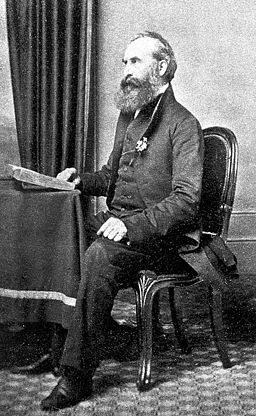
Thomas Hodgkin - In 1838, Richard Bright was the first to discover the association between spleen and HL.
- In 1865, Samuel Wilks honored Thomas Hodgkin by referring this disease as Hodgkin’s lymphoma in his publication which he observed and described similar cases since 1856.
- Langhans and Greenfield first described HL’s microscopic characteristics in 1872 and 1878, respectively.
- In 1898 and 1902, Carl Sternberg and Dorothy Reed, respectively, made important contributions to the microscopy of HL including the description of Reed-Sternberg (R-S) cells, which are the hallmark tumor cells of HL.
- In 1944, Hodgkin’s lymphoma was classified by Jackson and Parker into three subtypes: paragranuloma, granuloma, and sarcoma.[2]
- In 1966, Lukes and Butler proposed a new classification based on the predominant histopathologic type of the disease into six groups: lymphocytic and/or histiocytic, nodular; lymphocytic and/or histiocytic, diffuse; nodular sclerosis; mixed; diffuse fibrosis, and reticular. They also strengthened this classification by suggesting that there was a ‘definite relationship between the histological findings, clinical stages, and survival’. In 1966, at the Rye symposium, those 6 types modified into 4 types as lymphocytic predominance (includes both previous types of lymphocytic and/or histiocytic, nodular; lymphocytic and/or histiocytic, diffuse), nodular sclerosis, mixed cellularity, and lymphocytic depletion (includes both previous types of diffuse fibrosis and reticular).[1][2][3]
- In 1994, the Revised European-American Lymphoma Classification proposed a new classification system and classified Hodgkin’s lymphoma into two main types: nodular lymphocyte predominant Hodgkin’s lymphoma and classical Hodgkin’s lymphoma (includes lymphocyte predominant, nodular sclerosis, mixed cellularity, and lymphocyte depleted).[4]
- In 2001 and 2008 World Health Organization (WHO) classification provided a new subtype of classical Hodgkin lymphoma, lymphocyte-rich classical Hodgkin lymphoma, which replaced the previous type of lymphocytic predominance classical Hodgkin lymphoma. [5][6]
- In 2016, the latest revision of classification of Hodgkin lymphoma was made by World Health Organisation (WHO).[7]
- Hodgkin’s lymphoma (HL) was first discovered by Thomas Hodgkin, a British physician, in 1832. However, a prior description for HL was provided by Marcello Malpighi, an Italian physician, in 1666.
- Historical landmarks of the discovery of non-Hodgkin lymphoma (NHL) include:[8]
- In 1864, Virchow, a German physician, had described the pathologic enlargement of lymph nodes as lymphosarcoma.
- In 1865, Cohnheim, a German-Jewish physician, had described the pathologic enlargement of lymph nodes and spleen as pseudoleukaemia.
- The term ‘malignant lymphoma’ was first coined by Billroth, a Prussian-born Austrian surgeon, in 1871.
- In 1956, Henry Rappaport provided the first organized classification of non-Hodgkin lymphomas, which was modified by the Armed Forces Institute of Pathology, in 1966.
- Burkitt lymphoma (a subtype of NHL) was first discovered by Denis Parsons Burkitt, an Irish surgeon, in 1958, during his work in Africa.[9]
- In 1974, Lukes and Collins provided a new classification system of NHL according to the site of origin, state of transformation, and predominant cell of origin (B cell, T cell, or histiocyte).[8]
- Mantle cell lymphoma (MCL) was first discovered by Banks, in 1992.[10]
- In 1994, the Revised European-American Classification of Lymphoid Neoplasms (REAL) classified non-Hodgkin’s lymphoma according to the clinical features, immunology and genetic information.[4]
- In 2001, 2008, and 2016, World Health Organization (WHO) provided revised classifications of NHL, based on the REAL classification.[11][5][6][7]

Landmark Events in the Development of Treatment Strategies
- Landmark events in the development of treatment strategies for Hodgkin’s lymphoma include:
- In 1832, treatment of Hodgkin’s lymphoma (HL) was first tried by Thomas Hodgkin. However, there was no improvement seen with this treatment according to the autopsy findings.[1]
- The first satisfactory treatment of HL was first time reported in 1894 using Fowler’s solution, which was based on potassium arsenite.[1][12][13]
- In 1902, William A. Pusey, an American physician, used radiotherapy for the treatment of HL.[14]
- In the 1920s and 1950s, Gilbert and Peters, respectively, proposed the pattern of contiguous spread of lymph nodes in HL.[14]
- In the 1940s, nitrogen mustard therapy was announced as a new treatment option for HL by Goodman et al..[15]
- In 1966 and 1973, Peters and Kaplan, respectively, applied appropriate radiotherapy according to the patterns of spread.[14]
- The first combination chemotherapy for the treatment of HL, consisting of [[Mechlorethamine (injection)]|mechlorethamine hydrochloride]], vincristine, procarbazine, and prednisone (MOPP regimen), was developed by National Cancer Institute (NCI), in 1964. This regimen provided increased survival of patients with HL. However, long-term side-effects such as infertility and second malignancies arised. [1]
- In 1981, a new combination chemotherapy for the treatment of HL, consisting of doxorubicin, bleomycin, vinblastine and dacarbazine (ABVD regimen), was developed with higher effectiveness and fewer side-effects.
- Landmark events in the development of treatment strategies for non-Hodgkin lymphoma (NHL) include:[16]
- In 1975, Devita et al. achieved a cure for diffuse large B cell lymphoma with C-MOPP regimen (cyclophosphamide, vincristine, prednisone, procarbazine).
- In 1976, McKelvey et al. proposed the CHOP regimen (cyclophosphamide, doxorubicin, vincristine, prednisone) for the treatment of intermediate and high-grade lymphomas such as diffuse large B cell lymphoma, follicular mixed and large cell lymphoma, and immunoblastic lymphomas.
- In 1990s, the combination of high-dose chemotherapy (HDCT) and autologous hematopoietic cell transplantation (AHCT) proposed as an only potential curative therapy for patients with relapsed intermediate or high-grade non-Hodgkin lymphomas.[17][18]
Impact on Cultural History
- Dorothy Reed Mendenhall, one of the scientists who discovered Reed-Sternberg cells, provided drawings of patients with Hodgkin’s lymphoma and the microscopic appearance of Reed-Sternberg cells. She was one of the first female physicians who gained a professional medical education, and also one of the first women who graduated from Johns Hopkins School of Medicine.[19][20][21]
Famous Cases
References
- ↑ 1.0 1.1 1.2 1.3 1.4 Lakhtakia R, Burney I (May 2015). “A Historical Tale of Two Lymphomas: Part I: Hodgkin lymphoma”. Sultan Qaboos Univ Med J. 15 (2): e202–6. PMC 4450782. PMID 26052452.
- ↑ 2.0 2.1 Cross RM (March 1969). “Hodgkin’s disease: histological classification and diagnosis”. J Clin Pathol. 22 (2): 165–82. doi:10.1136/jcp.22.2.165. PMC 474028. PMID 5776548.
- ↑ Lukes RJ, Butler JJ (June 1966). “The pathology and nomenclature of Hodgkin’s disease”. Cancer Res. 26 (6): 1063–83. PMID 5947336.
- ↑ 4.0 4.1 Harris NL, Jaffe ES, Stein H, Banks PM, Chan JK, Cleary ML, Delsol G, De Wolf-Peeters C, Falini B, Gatter KC (September 1994). “A revised European-American classification of lymphoid neoplasms: a proposal from the International Lymphoma Study Group”. Blood. 84 (5): 1361–92. PMID 8068936.
- ↑ 5.0 5.1 Chan JK (December 2001). “The new World Health Organization classification of lymphomas: the past, the present and the future”. Hematol Oncol. 19 (4): 129–50. doi:10.1002/hon.660. PMID 11754390.
- ↑ 6.0 6.1 Jaffe ES (2009). “The 2008 WHO classification of lymphomas: implications for clinical practice and translational research”. Hematology Am Soc Hematol Educ Program: 523–31. doi:10.1182/asheducation-2009.1.523. PMC 6324557. PMID 20008237.
- ↑ 7.0 7.1 Swerdlow SH, Campo E, Pileri SA, Harris NL, Stein H, Siebert R, Advani R, Ghielmini M, Salles GA, Zelenetz AD, Jaffe ES (May 2016). “The 2016 revision of the World Health Organization classification of lymphoid neoplasms”. Blood. 127 (20): 2375–90. doi:10.1182/blood-2016-01-643569. PMC 4874220. PMID 26980727.
- ↑ 8.0 8.1 Lakhtakia R, Burney I (August 2015). “A Historical Tale of Two Lymphomas: Part II: Non-Hodgkin lymphoma”. Sultan Qaboos Univ Med J. 15 (3): e317–21. doi:10.18295/squmj.2015.15.03.003. PMC 4554264. PMID 26355399.
- ↑ Esau D (February 2019). “Denis Burkitt: A legacy of global health”. J Med Biogr. 27 (1): 4–8. doi:10.1177/0967772016658785. PMID 27681061.
- ↑ Banks PM, Chan J, Cleary ML, Delsol G, De Wolf-Peeters C, Gatter K, Grogan TM, Harris NL, Isaacson PG, Jaffe ES (July 1992). “Mantle cell lymphoma. A proposal for unification of morphologic, immunologic, and molecular data”. Am J Surg Pathol. 16 (7): 637–40. doi:10.1097/00000478-199207000-00001. PMID 1530105.
- ↑ Lu P (July 2005). “Staging and classification of lymphoma”. Semin Nucl Med. 35 (3): 160–4. doi:10.1053/j.semnuclmed.2005.02.002. PMID 16098289.
- ↑ Waxman S, Anderson KC (2001). “History of the development of arsenic derivatives in cancer therapy”. Oncologist. 6 Suppl 2: 3–10. doi:10.1634/theoncologist.6-suppl_2-3. PMID 11331434.
- ↑ Chen Z, Chen GQ, Shen ZX, Sun GL, Tong JH, Wang ZY, Chen SJ (April 2002). “Expanding the use of arsenic trioxide: leukemias and beyond”. Semin Hematol. 39 (2 Suppl 1): 22–6. doi:10.1053/shem.2002.33611. PMID 12012319.
- ↑ 14.0 14.1 14.2 DeVita VT (September 2003). “A selective history of the therapy of Hodgkin’s disease”. Br J Haematol. 122 (5): 718–27. doi:10.1046/j.1365-2141.2003.04541.x. PMID 12930382.
- ↑ GOODMAN LS, WINTROBE MM (September 1946). “Nitrogen mustard therapy; use of methyl-bis (beta-chloroethyl) amine hydrochloride and tris (beta-chloroethyl) amine hydrochloride for Hodgkin’s disease, lymphosarcoma, leukemia and certain allied and miscellaneous disorders”. J Am Med Assoc. 132: 126–32. doi:10.1001/jama.1946.02870380008004. PMID 20997191.
- ↑ Aisenberg AC (June 2000). “Historical review of lymphomas”. Br J Haematol. 109 (3): 466–76. doi:10.1046/j.1365-2141.2000.01988.x. PMID 10886191.
- ↑ Johnston LJ, Horning SJ (October 1999). “Autologous hematopoietic cell transplantation in non-Hodgkin’s lymphoma”. Hematol Oncol Clin North Am. 13 (5): 889–918. doi:10.1016/s0889-8588(05)70102-7. PMID 10553254.
- ↑ Nademanee A, Molina A, O’Donnell MR, Dagis A, Snyder DS, Parker P, Stein A, Smith E, Planás I, Kashyap A, Spielberger R, Fung H, Wong KK, Somlo G, Margolin K, Chow W, Sniecinski I, Vora N, Blume KG, Niland J, Forman SJ (November 1997). “Results of high-dose therapy and autologous bone marrow/stem cell transplantation during remission in poor-risk intermediate- and high-grade lymphoma: international index high and high-intermediate risk group”. Blood. 90 (10): 3844–52. PMID 9354650.
- ↑ “hekint.org”.
- ↑ Parry M (May 2006). “Dorothy Reed Mendenhall (1874-1964)”. Am J Public Health. 96 (5): 789. doi:10.2105/AJPH.2006.085902. PMC 1470592. PMID 16571682.
- ↑ Shrager JB (1991). “Three women at Johns Hopkins: private perspectives on medical coeducation in the 1890s”. Ann Intern Med. 115 (7): 564–9. doi:10.7326/0003-4819-115-7-564. PMID 1883127.
Editor-In-Chief: C. Michael Gibson, M.S., M.D. [1] ; Associate Editor(s)-in-Chief: Adnan Ezici, M.D[2]
Classification
Overview
B-cell lymphomas include both Hodgkin’s lymphomas and most Non-Hodgkin lymphomas. Hodgkin’s lymphoma may be classified according to the World Health Organisation classification system into 2 groups: nodular lymphocyte-predominant Hodgkin lymphoma and classical Hodgkin lymphoma (includes nodular sclerosis classical Hodgkin lymphoma, lymphocyte-rich classical Hodgkin lymphoma, mixed cellularity classical Hodgkin lymphoma, and lymphocyte-depleted classical Hodgkin lymphoma). Non-Hodgkin lymphomas may be classified into several subtypes based on the World Health Organisation classification system.
Classification
B-cell lymphomas include both Hodgkin’s lymphomas and most Non-Hodgkin lymphomas.
- Hodgkin’s lymphoma may be classified according to the World Health Organisation classification system into 2 groups:[1]
- Nodular lymphocyte predominant Hodgkin lymphoma
- Classical Hodgkin lymphoma (includes 4 subtypes)
- Nodular sclerosis classical Hodgkin lymphoma
- Lymphocyte-rich classical Hodgkin lymphoma
- Mixed cellularity classical Hodgkin lymphoma
- Lymphocyte-depleted classical Hodgkin lymphoma
- Non-Hodgkin lymphoma may be classified according to the World Health Organisation classification system into 2 groups including B-cell neoplasms, and T-cell and putative NK-cell neoplasms. B-cell neoplasms may further be classified according to the World Health Organisation into: [1][2][3]
- Chronic lymphocytic leukemia/small lymphocytic lymphoma
- Monoclonal B-cell lymphocytosis
- B-cell prolymphocytic leukemia
- Splenic marginal zone lymphoma
- Hairy cell leukemia
- Splenic B-cell lymphoma/leukemia, unclassifiable
- Splenic diffuse red pulp small B-cell lymphoma
- Hairy cell leukemia-variant
- Lymphoplasmacytic lymphoma
- Monoclonal gammopathy of undetermined significance (MGUS), IgM
- μ heavy-chain disease
- ɣ heavy-chain disease
- a heavy-chain disease
- Monoclonal gammopathy of undetermined significance (MGUS), IgG/A
- Plasma cell myeloma
- Solitary plasmacytoma of bone
- Extraosseous plasmacytoma
- Monoclonal immunoglobulin deposition diseases
- Extranodal marginal zone lymphoma of mucosa-associated lymphoid tissue (MALT lymphoma)
- Nodal marginal zone lymphoma
- Pediatric nodal marginal zone lymphoma
- Follicular lymphoma
- In situ follicular neoplasia
- Duodenal-type follicular lymphoma
- Pediatric-type follicular lymphoma
- Large B-cell lymphoma with IRF4 rearrangement
- Primary cutaneous follicle center lymphoma
- Mantle cell lymphoma
- In situ mantle cell neoplasia
- Diffuse large B-cell lymphoma (DLBCL), not otherwise specified (NOS)
- Germinal center B-cell type
- Activated B-cell type
- T-cell/histiocyte-rich large B-cell lymphoma
- Primary DLBCL of the central nervous system (CNS)
- Primary cutaneous DLBCL, leg type
- EBV (+) DLBCL, not otherwise specified (NOS)
- EBV (+) mucocutaneous ulcer
- DLBCL associated with chronic inflammation
- Lymphomatoid granulomatosis
- Primary mediastinal (thymic) large B-cell lymphoma
- Intravascular large B-cell lymphoma
- ALK (+) large B-cell lymphoma
- Plasmablastic lymphoma
- Primary effusion lymphoma
- HHV8 (+) DLBCL, not otherwise specified (NOS)
- Burkitt lymphoma
- Burkitt-like lymphoma with 11q aberration
- High-grade B-cell lymphoma, with MYC and BCL2 and/or BCL6 translocations
- High-grade B-cell lymphoma, not otherwise specified (HGBL, NOS)
- B-cell lymphoma, unclassifiable, with features intermediate between DLBCL and classical Hodgkin lymphoma
- Non-Hodgkin lymphoma may be classified according to rate of growth into 2 subtypes:
- Aggresive (high-grade)
- Indolent (low-grade)
Most common
Five account for nearly three out of four patients with non-Hodgkin lymphoma:[4]
- Diffuse large B cell lymphoma
- Follicular lymphoma
- Mucosa-Associated Lymphatic Tissue lymphoma (MALT)
- Small cell lymphocytic lymphoma (overlaps with Chronic lymphocytic leukemia)
- Mantle cell lymphoma (MCL)
Rare
The remaining forms are much less common:[4]
- Burkitt lymphoma
- Mediastinal large B cell lymphoma
- Waldenström macroglobulinemia
- Nodal marginal zone B cell lymphoma (NMZL)
- Splenic marginal zone lymphoma (SMZL)
- Extranodal marginal zone B cell lymphoma
- Intravascular large B cell lymphoma
- Primary effusion lymphoma
- Lymphomatoid granulomatosis
- T cell/histiocyte-rich large B-cell lymphoma
- Primary central nervous system lymphoma
- Primary cutaneous diffuse large B-cell lymphoma, leg type (Primary cutaneous DLBCL, leg type)
- EBV positive diffuse large B-cell lymphoma of the elderly
- Diffuse large B-cell lymphoma associated with inflammation
- Intravascular large B-cell lymphoma
- ALK-positive large B-cell lymphoma
- Plasmablastic lymphoma
- Large B-cell lymphoma arising in HHV8-associated multicentric Castleman’s disease
- B-cell lymphoma, unclassifiable with features intermediate between diffuse large B-cell lymphoma and Burkitt lymphoma
- B-cell lymphoma, unclassifiable with features intermediate between diffuse large B-cell lymphoma and classical Hodgkin lymphoma
References
- ↑ 1.0 1.1 Swerdlow SH, Campo E, Pileri SA, Harris NL, Stein H, Siebert R, Advani R, Ghielmini M, Salles GA, Zelenetz AD, Jaffe ES (May 2016). “The 2016 revision of the World Health Organization classification of lymphoid neoplasms”. Blood. 127 (20): 2375–90. doi:10.1182/blood-2016-01-643569. PMC 4874220. PMID 26980727.
- ↑ National Cancer Institute. Physician Data Query Database 2015.http://www.cancer.gov/publications/pdq
- ↑ Perry AM, Diebold J, Nathwani BN, MacLennan KA, Müller-Hermelink HK, Bast M, Boilesen E, Armitage JO, Weisenburger DD (October 2016). “Non-Hodgkin lymphoma in the developing world: review of 4539 cases from the International Non-Hodgkin Lymphoma Classification Project”. Haematologica. 101 (10): 1244–1250. doi:10.3324/haematol.2016.148809. PMC 5046654. PMID 27354024.
- ↑ 4.0 4.1 “The Lymphomas” (PDF). The Leukemia & Lymphoma Society. May 2006. pp. p. 12. Retrieved 2008-04-07.
Editor-In-Chief: C. Michael Gibson, M.S., M.D. [1] ; Associate Editor(s)-in-Chief: Adnan Ezici, M.D[2]
Pathophysiology
Overview
It is understood that there are different factors that have important roles in the pathogenesis of B-cell lymphomas including reciprocal translocations that occur between one of the immunoglobulin loci and proto-oncogene, the selection for expression of a B-cell receptor (BCR) that promotes survival, increased survival and proliferation of B-cells mediated by antigen binding, and malignant interaction between B-cells and other cells in the tumor microenvironment. Chromosomal translocations involving the immunoglobulin heavy locus (IGH@) is a classic cytogenetic abnormality for many B-cell lymphomas, including follicular lymphoma, mantle cell lymphoma, diffuse large B cell lymphoma, MALT lymphoma, lymphoplasmacytoid lymphoma, multiple myeloma, and Burkitt’s lymphoma.
Pathophysiology
Physiology
The normal physiology of B-cells can be understood as follows:
- Development of mature B-cells include:
- B-cells develop from hematopoietic stem cells originating from bone marrow. B-cell development occurs in the bone marrow through several steps including the ordered rearrangement of [[IGH@|Ig H] and L chain loci (i.e., VDJ recombination), positive selection, and negative selection.[1]
- B-cell surface consists of membrane-bound Ig, complement component receptors, Fc receptors, and B cell-specific cell surface molecules representing by CDs (i.e., CD19, CD20, CD21, etc.).
- Immature (transitional) B-cells migrate from the bone marrow to secondary lymphoid organs (i.e., lymph nodes, spleen) for activation. Activation begins with either T-cell dependent or T-cell independent. T-cell-dependent B-cell activation begins with the binding of the B-cell receptor (BCR) to the T-cell-dependent antigen. T-cell independent B-cell activation begins with BCR crosslinking through polysaccharides or via BCR and toll-like receptor (TLR) costimulation. Following the activation, further maturation steps including germinal center reaction (i.e., clonal expansion, class switch recombination, somatic hypermutation, affinity maturation) occur.[2][1]
- B-cells can be divided into 3 main types include: B1 B-lymphoctes (originates from fetal liver), marginal zone (MZ) B2 B-lymphocyes, and follicular (FO) B2 B-lymphocytes.[3]
- B-cells complete their maturation by differention into memory B cells or antibody-secreting plasma cells.
- Functions of B-cells include:[1]
- Antibody production
- Production of cytokines (i.e. IFN-γ, IL-6, IL-10)
- Lymphoid tissue organogenesis
- Wound healing
- Tumor immunity
- Transplant rejection
- Dentritic cell regulation
- TH1/TH2 cytokine balance
- Antigen presentation
- Co-stimulation
Pathogenesis
It is understood that there are different factors that have important roles in the pathogenesis of B-cell lymphomas including:[4]
- Reciprocal translocations that occur between one of the immunoglobulin loci and proto-oncogene
- The selection for expression of a B-cell receptor (BCR) that promotes survival
- Increased survival and proliferation of B-cells mediated by antigen binding
- Malignant interaction between B-cells and other cells in the tumor microenvironment
Genetics
Chromosomal translocations involving the immunoglobulin heavy locus (IGH@) is a classic cytogenetic abnormality for many B-cell lymphomas, including follicular lymphoma, mantle cell lymphoma, diffuse large B cell lymphoma, MALT lymphoma, lymphoplasmacytoid lymphoma, multiple myeloma, and Burkitt’s lymphoma. In these cases, the immunoglobulin heavy locus forms a fusion protein with another protein that has pro-proliferative or anti-apoptotic abilities. The enhancer element of the immunoglobulin heavy locus, which normally functions to make B cells produce massive production of antibodies, now induces massive transcription of the fusion protein, resulting in excessive pro-proliferative or anti-apoptotic effects on the B cells containing the fusion protein. Chromosomal translocations and mutations of tumor suppressor genes that are associated with B-cell lymphomas include:[4]
- Burkitt’s lymphoma is characterized by the chromosomal translocations between MYC and either IGH@ or IGL@. Mutations of tumor suppressor genes causing Burkitt lymphoma include TP53 and retinoblastoma-like protein 2.
- Mantle-cell lymphoma is characterized by the chromosomal translocation between cyclin D1 and IGH@. Mutations of tumor suppressor gene ATM, is also associated with mantle-cell lymphoma.
- Follicular lymphoma is characterized by the chromosomal translocation between Bcl-2 and IGH@.
- Diffuse large B cell lymphoma is characterized by the chromosomal translocations of Bcl-2–IGH@, MYC–IGH@, MYC–IGL@, or the chromosomal translocations involving BCL6. Mutations of tumor suppressor genes causing diffuse large B cell lymphoma include CD95, ATM, and TP53.
- The mutation of tumor suppressor gene SOCS1 is associated with primary mediastinal B-cell lymphoma.
- Classical Hodgkin’s lymphoma is associated with mutations of tumor suppressor genes including IκBα, IκBe, and CD95.
- Lymphocyte-predominant Hodgkin’s lymphoma is characterized by the chromosomal translocations involving BCL6.
- MALT lymphoma is characterized by the chromosomal translocations of API2–MALT1, BCL10–IGH@, MALT1–IGH@, or FOXP1–IGH@. The mutation of tumor suppressor gene CD95 is associated with MALT lymphoma.
- Lymphoplasmacytoid lymphoma is characterized by the chromosomal translocation between PAX5 and IGH@.
- Multiple myeloma is characterized by the chromosomal translocations of cyclin D1–IGH@, FGFR3–IGH@, or MAF–IGH@. The mutation of tumor suppressor gene CD95 is associated with multiple myeloma.
Associated Conditions
Conditions associated with B-cell lymphoma include:[4]
- Viral infections:
- Bacterial infections:
- Autoimmune diseases:
Gross Pathology
There is no gross pathologic finding characteristic of B-cell lymphoma.
Microscopic Pathology
Below is a microscopic image of a lymph node fine needle aspiration (FNA) specimen (Field’s stain) of a patient with Hodgkin’s lymphoma, a type of B cell lymphoma. The micrograph shows a mixture of cells commonly seen in Hodgkin’s lymphoma:
- Eosinophils
- Reed-Sternberg cells (hallmark tumor cells of Hodgkin’s lymphoma)
- Plasma cells
- Histiocytes
Video
Shown below is a video of diffuse large B cell lymphoma {{#ev:youtube|9gEo7si6jtc}}
References
- ↑ 1.0 1.1 1.2 LeBien TW, Tedder TF (September 2008). “B lymphocytes: how they develop and function”. Blood. 112 (5): 1570–80. doi:10.1182/blood-2008-02-078071. PMC 2518873. PMID 18725575.
- ↑ Hess C, Winkler A, Lorenz AK, Holecska V, Blanchard V, Eiglmeier S, Schoen AL, Bitterling J, Stoehr AD, Petzold D, Schommartz T, Mertes MM, Schoen CT, Tiburzy B, Herrmann A, Köhl J, Manz RA, Madaio MP, Berger M, Wardemann H, Ehlers M (September 2013). “T cell-independent B cell activation induces immunosuppressive sialylated IgG antibodies”. J Clin Invest. 123 (9): 3788–96. doi:10.1172/JCI65938. PMC 3754242. PMID 23979161.
- ↑ Hoffman W, Lakkis FG, Chalasani G (January 2016). “B Cells, Antibodies, and More”. Clin J Am Soc Nephrol. 11 (1): 137–54. doi:10.2215/CJN.09430915. PMC 4702236. PMID 26700440.
- ↑ 4.0 4.1 4.2 Küppers R (April 2005). “Mechanisms of B-cell lymphoma pathogenesis”. Nat Rev Cancer. 5 (4): 251–62. doi:10.1038/nrc1589. PMID 15803153.
Editor-In-Chief: C. Michael Gibson, M.S., M.D. [1];Associate Editor(s)-in-Chief: Adnan Ezici, M.D[2] Shivali Marketkar, M.B.B.S. [3]
Causes
Overview
The exact cause of B-cell lymphoma has not been identified. However, there are several factors associated with B-cell lymphoma including infections, drugs, environmental factors, immunodeficiency states, and autoimmune diseases.
Causes
The exact cause of B-cell lymphoma has not been identified. However, there are several factors associated with the development of B-cell lymphoma including:[1][2][3]
- Infections such as Epstein Barr virus (EBV), HTLV-1, HHV8, Hepatitis C virus, Helicobacter pylori
- Drugs such as phenytoin, digoxin, TNF-a antagonist
- Environmental factors such as pesticides, solvents, organic chemicals, radiation exposure, etc.
- Immunodeficiency states such as severe combined immunodeficiency, Wiskott-Aldrich syndrome, AIDS, and immunosuppressive therapy
- Autoimmune diseases such as rheumatoid arthritis, Sjögren’s syndrome, celiac disease, and Hashimoto’s thyroiditis
References
- ↑ Küppers R (April 2005). “Mechanisms of B-cell lymphoma pathogenesis”. Nat Rev Cancer. 5 (4): 251–62. doi:10.1038/nrc1589. PMID 15803153.
- ↑ Sapkota S, Shaikh H. PMID 32644754 Check
|pmid=value (help). Missing or empty|title=(help) - ↑ Jamil A, Mukkamalla S. PMID 32809661 Check
|pmid=value (help). Vancouver style error: initials (help); Missing or empty|title=(help)
Editor-In-Chief: C. Michael Gibson, M.S., M.D. [1] ; Associate Editor(s)-in-Chief: Adnan Ezici, M.D[2]
Differentiating B-cell lymphoma from other Diseases
Overview
Differentiating B-cell Lymphoma From Other Diseases
B-cell Lymphoma must be differentiated from other diseases that cause lymphadenopathy, fever, night sweat, or unintentional weight loss such as:[1][2][3][4][5][6]
- T-cell lymphoma
- Kaposi sarcoma
- Leukemias
- Metastatic breast cancer
- Metastatic renal cancer
- Metastatic thyroid cancer
- Metastatic carcinoma of the lung
- Metastatic carcinoma of the gastrointestinal system
- Neuroblastoma
- Retroperitoneal cancer
- Pediatric acute myelocytic leukemia
- Rhabdomyosarcoma
- Melanoma
- Head and neck cancer
- Castleman disease
- Miscellaneous conditions
References
- ↑ Gaddey HL, Riegel AM (December 2016). “Unexplained Lymphadenopathy: Evaluation and Differential Diagnosis”. Am Fam Physician. 94 (11): 896–903. PMID 27929264.
- ↑ Maini R, Nagalli S. PMID 32644344 Check
|pmid=value (help). Missing or empty|title=(help) - ↑ Mohseni S, Shojaiefard A, Khorgami Z, Alinejad S, Ghorbani A, Ghafouri A (March 2014). “Peripheral lymphadenopathy: approach and diagnostic tools”. Iran J Med Sci. 39 (2 Suppl): 158–70. PMC 3993046. PMID 24753638.
- ↑ Freeman AM, Matto P. PMID 30020622. Missing or empty
|title=(help) - ↑ Ferrer R (October 1998). “Lymphadenopathy: differential diagnosis and evaluation”. Am Fam Physician. 58 (6): 1313–20. PMID 9803196.
- ↑ Roca B (2009). “Castleman’s Disease. A Review”. AIDS Rev. 11 (1): 3–7. PMID 19290029.
Editor-In-Chief: C. Michael Gibson, M.S., M.D. [1] ; Associate Editor(s)-in-Chief: Adnan Ezici, M.D[2]
Epidemiology and Demographics
Overview
B-cell lymphomas include both Hodgkin’s lymphomas and most of the Non-Hodgkin lymphomas. The incidence of non-Hodgkin lymphoma is approximately 18.6 per 100,000 individuals worldwide. The incidence of Hodgkin’s lymphoma is approximately 2-3 per 100,000 individuals in populations of European ancestry. In the year 2018, the mortality rate of non-Hodgkin lymphoma is approximately 5.1/100,000. In the year 2017, the mortality rate of Hodgkin’s lymphoma is approximately 0.41/100,000.
Epidemiology and Demographics
Incidence
The incidence of non-Hodgkin lymphoma is approximately 18.6 per 100,000 individuals worldwide.[1] The incidence of Hodgkin’s lymphoma is approximately 2-3 per 100,000 individuals in populations of European ancestry.[2]
Case-fatality rate/Mortality rate
In the year 2018, the mortality rate of non-Hodgkin lymphoma is approximately 5.1/100,000.[1] In the year 2017, the mortality rate of Hodgkin’s lymphoma is approximately 0.41/100,000.[3]
Age
Non-Hodgkin lymphoma (NHL) commonly affects individuals older than 65 years of age. However, some subtypes of NHL (i.e., Burkitt lymphoma) show a bimodal age distribution. Hodgkin’s lymphoma has a bimodal age distribution with the highest incidence in patients (20-39) years of age and older than 60 years of age.[3]
Race
In the US, Non-Hodgkin lymphoma (NHL) usually affects individuals of the white and non-Hispanic races. Asian/Pacific Islander, American Indian and black individuals are less likely to develop NHL.[1]. Hodgkin’s lymphoma shows age-specific racial disparities. In patients aged <65 years, individuals of the white race have the highest incidence of Hodgkin’s lymphoma. On the other hand, in patients over 65 years old, individuals of Hispanics have the highest incidence of Hodgkin’s lymphoma. Regardless of the age, Asian/Pacific Islanders (A/PI) are less likely to develop Hodgkin’s lymphoma.[4]
Gender
Men are more commonly affected by Non-Hodgkin lymphoma (NHL) than women. The male to female ratio is approximately 2 to 1, however, it’s known that the male to female ratio is up to 4 in certain subtypes of NHL[5][1]. Men are more commonly affected by Hodgkin’s lymphoma than women. The male to female ratio is approximately 3 to 2.3, however, it’s known that the male to female ratio varies depending on the age. In children aged 15 to 19 year, females are more commonly affected with Hodgkin’s lymphoma than males with the M/F ratio of approximately 0.8. [6][3]
Region
The majority of endemic Burkitt Lymphoma, a subtype of NHL, cases are reported in subequatorial Africa.[1]. Countries with the highest incidence (age-standardized) of Hodgkin’s lymphoma include Lebanon, Greece, and Montenegro.[3]
References
- ↑ 1.0 1.1 1.2 1.3 1.4 Thandra KC, Barsouk A, Saginala K, Padala SA, Barsouk A, Rawla P (January 2021). “Epidemiology of Non-Hodgkin’s Lymphoma”. Med Sci (Basel). 9 (1). doi:10.3390/medsci9010005. PMC 7930980 Check
|pmc=value (help). PMID 33573146 Check|pmid=value (help). - ↑ Connors JM, Cozen W, Steidl C, Carbone A, Hoppe RT, Flechtner HH, Bartlett NL (July 2020). “Hodgkin lymphoma”. Nat Rev Dis Primers. 6 (1): 61. doi:10.1038/s41572-020-0189-6. PMID 32703953 Check
|pmid=value (help). - ↑ 3.0 3.1 3.2 3.3 Zhou L, Deng Y, Li N, Zheng Y, Tian T, Zhai Z, Yang S, Hao Q, Wu Y, Song D, Zhang D, Lyu J, Dai Z (October 2019). “Global, regional, and national burden of Hodgkin lymphoma from 1990 to 2017: estimates from the 2017 Global Burden of Disease study”. J Hematol Oncol. 12 (1): 107. doi:10.1186/s13045-019-0799-1. PMC 6805485 Check
|pmc=value (help). PMID 31640759. - ↑ Evens AM, Antillón M, Aschebrook-Kilfoy B, Chiu BC (August 2012). “Racial disparities in Hodgkin’s lymphoma: a comprehensive population-based analysis”. Ann Oncol. 23 (8): 2128–2137. doi:10.1093/annonc/mdr578. PMID 22241896.
- ↑ Horesh N, Horowitz NA (October 2014). “Does gender matter in non-hodgkin lymphoma? Differences in epidemiology, clinical behavior, and therapy”. Rambam Maimonides Med J. 5 (4): e0038. doi:10.5041/RMMJ.10172. PMC 4222427. PMID 25386354.
- ↑ “National Caner Institute Childhood Hodgkin Lymphoma Treatment”.
Editor-In-Chief: C. Michael Gibson, M.S., M.D. [1] ; Associate Editor(s)-in-Chief: Adnan Ezici, M.D[2]
Risk Factors
Overview
Common risk factors in the development of B-cell lymphoma include family history, infections, obesity, drugs, environmental factors, genetic mutations, immunodeficiency states, and autoimmune diseases.
Risk Factors
Common Risk Factors
- Common risk factors in the development of [disease name] include:[1][2][3][4]
- First degree family history of non-Hodgkin lymphoma
- Infections such as Epstein Barr virus (EBV), HTLV-1, HHV8, Hepatitis C virus, Helicobacter pylori, and Coxiella burnetii
- Obesity (BMI≥30 kg/m2) in young patients
- Drugs such as phenytoin, digoxin, and TNF-a antagonist
- Environmental factors such as pesticides, solvents, organic chemicals, radiation exposure, etc.
- Genetic mutations
- Immunodeficiency states such as severe combined immunodeficiency, Wiskott-Aldrich syndrome, AIDS, and immunosuppressive therapy
- Autoimmune diseases such as rheumatoid arthritis, Sjögren’s syndrome, celiac disease, and Hashimoto’s thyroiditis
References
- ↑ Küppers R (April 2005). “Mechanisms of B-cell lymphoma pathogenesis”. Nat Rev Cancer. 5 (4): 251–62. doi:10.1038/nrc1589. PMID 15803153.
- ↑ Sapkota S, Shaikh H. PMID 32644754 Check
|pmid=value (help). Missing or empty|title=(help) - ↑ Jamil A, Mukkamalla S. PMID 32809661 Check
|pmid=value (help). Vancouver style error: initials (help); Missing or empty|title=(help) - ↑ Flowers CR, Skibola CF (January 2016). “Identifying risk factors for B-cell lymphoma”. Blood. 127 (1): 10–1. doi:10.1182/blood-2015-11-677203. PMC 4705601. PMID 26744436.
Editor-In-Chief: C. Michael Gibson, M.S., M.D. [1] ; Associate Editor(s)-in-Chief: Adnan Ezici, M.D[2]
Screening
Overview
There is insufficient evidence to recommend routine screening for B-cell lymphomas.
Screening
There is insufficient evidence to recommend routine screening for B-cell lymphomas.
References
Editor-In-Chief: C. Michael Gibson, M.S., M.D. [1] ; Associate Editor(s)-in-Chief: Adnan Ezici, M.D[2]
Natural History, Complications and Prognosis
Overview
B-cell lymphomas include both Hodgkin’s lymphomas and most Non-Hodgkin lymphomas. 30% of patients with Hodgkin’s lymphoma may progress to develop B symptoms. The natural history of Non-Hodgkin lymphomas significantly varies depending on the subtype and its prognosis. Complications of B cell lymphomas are usually due to side effects of chemotherapy and/or radiotherapy. Depending on the stage of the Hodgkin’s lymphoma at the time of diagnosis, the prognosis may vary. However, the prognosis is generally regarded as excellent. The prognosis of non-Hodgkin’s lymphoma (NHL) varies with the histopathology, the extent of involvement, and patient factors. Low-grade lymphomas have the most favorable prognosis.
Natural History, Complications, and Prognosis
B-cell lymphomas include both Hodgkin’s lymphomas and most Non-Hodgkin lymphomas.
Natural History
- 30% of patients with Hodgkin’s lymphoma may progress to develop B symptoms (unintentional weight loss, fever, drenching night sweats)[1].
- The natural history of Non-Hodgkin lymphomas significantly varies depending on the subtype and its prognosis. If left untreated, aggresive lymphomas present with B symptoms, and patients’ condition significantly deteriorates within days or weeks. On the other hand, indolent lymphomas usually present with waxing and waning lymphadenopathy for years[2].
Complications
- Complications of B cell lymphomas are usually due to side effects of chemotherapy and/or radiotherapy.
- Complications in patients with Hodgkin’s lymphoma include:
- Common complications of chemotherapy and/or radiotherapy in patients with Hodgkin’s lymphoma include:[3]_Radiation_for_Hodgkin_Disease-4|[4]
- Nausea and vomiting
- Xerostomia
- Sore throat
- Dysgeusia
- Diarrhea
- Fatigue
- Skin reactions
- Late and long-term complications of chemotherapy and/or radiotherapy in patients with Hodgkin’s lymphoma include:[3]_Radiation_for_Hodgkin_Disease-4|[4]
- Second malignancies (e.g., breast cancer, lung cancer, colon cancer, leukemias, non-Hodgkin lymphomas, etc.)[5][6][7]
- Infertility
- Infections
- Hypothyroidism
- Dyspnea
- Growth delay in children
- Cardiovascular complications (e.g., congestive heart failure, cardiomyopathies, myocardial infarction, pericarditis, arryhtmias, etc.)[8][9][10]
- Common complications of chemotherapy and/or radiotherapy in patients with Hodgkin’s lymphoma include:[3]_Radiation_for_Hodgkin_Disease-4|[4]
- Complications in patients with non-Hodgkin’s lymphoma include:
- Common complications of chemotherapy and/or radiotherapy in patients with non-Hodgkin lymphoma include:[2]
- Nausea and vomiting
- Fatigue
- Myelosuppression
- Febrile neutropenia
- Immunosuppression
- Late and long-term complications of chemotherapy and/or radiotherapy in patients with non-Hodgkin lymphoma include:[2][8]
- Second malignancies (e.g., myelodysplastic syndrome, acute myeloid leukemia, bladder cancer, lung cancer, gastrointestinal tract cancer, breast cancer, skin cancer, squamous cell carcinoma of the head and neck)
- Cardiovascular complications (e.g., cardiomyopathies, congestive heart failure, myocardial infarction)
- Infertility
- Hypothyroidism
- Growth hormone deficiency
- Insulin resistance
- Hypogonadism
- Dyslipidemia
- Post-traumatic stress disorder
- Progressive multifocal leukoencephalopathy (in patients treated with an anti-CD20 monoclonal antibody)
- Common complications of chemotherapy and/or radiotherapy in patients with non-Hodgkin lymphoma include:[2]
- Complications in patients with Hodgkin’s lymphoma include:
Prognosis
- Depending on the stage of the Hodgkin’s lymphoma at the time of diagnosis, the prognosis may vary. However, the prognosis is generally regarded as excellent.[1]
- In patients with stage 1 or 2a Hodgkin’s lymphoma, the 5-year overall survival is approximately 90%.
- In patients with stage 4 Hodgkin’s lymphoma, the 5-year overall survival is approximately 60%.
- The prognosis of non-Hodgkin’s lymphoma (NHL) varies with the histopathology, the extent of involvement, and patient factors. Low-grade lymphomas have the most favorable prognosis.[2][11]
- International Prognostic Index (IPI) is the main prognostic tool for NHL to determine the risk, which consists of five factors, including age >60 years, an increased serum LDH level, more than one extranodal involvement, Eastern Cooperative oncology group (ECOG) performance status 2 or greater than 2, and clinical stage III or IV.
- Patients with aggressive NK or T cell lymphomas generally have the worst prognosis. In addition, patients with immunodeficiency states have a poor response to treatment.
References
- ↑ 1.0 1.1 Kaseb H, Babiker HM. PMID 29763144. Missing or empty
|title=(help) - ↑ 2.0 2.1 2.2 2.3 Sapkota S, Shaikh H. PMID 32644754 Check
|pmid=value (help). Missing or empty|title=(help) - ↑ 3.0 3.1 Hodgkin-lymphoma. Canadian Cancer Society. http://www.cancer.ca/en/cancer-information/cancer-type/hodgkin-lymphoma/treatment/?region=ab Accessed on September 10, 2015
- ↑ _Radiation_for_Hodgkin_Disease_4-0|4.0 _Radiation_for_Hodgkin_Disease_4-1|4.1 “Radiation Therapy for Hodgkin Lymphoma | Radiation for Hodgkin Disease”.
- ↑ Schaapveld M, Aleman BM, van Eggermond AM, Janus CP, Krol AD, van der Maazen RW, Roesink J, Raemaekers JM, de Boer JP, Zijlstra JM, van Imhoff GW, Petersen EJ, Poortmans PM, Beijert M, Lybeert ML, Mulder I, Visser O, Louwman MW, Krul IM, Lugtenburg PJ, van Leeuwen FE (December 2015). “Second Cancer Risk Up to 40 Years after Treatment for Hodgkin’s Lymphoma”. N Engl J Med. 373 (26): 2499–511. doi:10.1056/NEJMoa1505949. PMID 26699166.
- ↑ Borchmann P, Behringer K, Josting A, Rueffer JU, Schnell R, Diehl V, Engert A, Kvasnicka HM, Thiele J (February 2006). “[Secondary malignancies after successful primary treatment of malignant Hodgkin’s lymphoma]”. Pathologe (in German). 27 (1): 47–52. doi:10.1007/s00292-005-0811-0. PMID 16369761.
- ↑ van Leeuwen FE, Klokman WJ, Veer MB, Hagenbeek A, Krol AD, Vetter UA, Schaapveld M, van Heerde P, Burgers JM, Somers R, Aleman BM (February 2000). “Long-term risk of second malignancy in survivors of Hodgkin’s disease treated during adolescence or young adulthood”. J Clin Oncol. 18 (3): 487–97. doi:10.1200/JCO.2000.18.3.487. PMID 10653864.
- ↑ 8.0 8.1 Ng AK, LaCasce A, Travis LB (May 2011). “Long-term complications of lymphoma and its treatment”. J Clin Oncol. 29 (14): 1885–92. doi:10.1200/JCO.2010.32.8427. PMID 21483015.
- ↑ Galper SL, Yu JB, Mauch PM, Strasser JF, Silver B, Lacasce A, Marcus KJ, Stevenson MA, Chen MH, Ng AK (January 2011). “Clinically significant cardiac disease in patients with Hodgkin lymphoma treated with mediastinal irradiation”. Blood. 117 (2): 412–8. doi:10.1182/blood-2010-06-291328. PMID 20858859.
- ↑ Zinzani PL, Federico M, Oliva S, Pinto A, Rigacci L, Specchia G, Tucci A, Vitolo U (January 2015). “The more patients you treat, the more you cure: managing cardiotoxicity in the treatment of aggressive non-Hodgkin lymphoma”. Leuk Lymphoma. 56 (1): 12–25. doi:10.3109/10428194.2014.894187. PMID 24559287.
- ↑ “Survival Rates and Factors That Affect Prognosis (Outlook) for Non-Hodgkin Lymphoma”.
Editor-In-Chief: C. Michael Gibson, M.S., M.D. [1] ; Associate Editor(s)-in-Chief: Adnan Ezici, M.D[2]
Diagnosis
Diagnosis
Diagnostic study of choice | History and Symptoms | Physical Examination | Laboratory Findings | Electrocardiogram | Chest X Ray | Echocardiography and Ultrasound CT | MRI | Other Imaging Findings | Other Diagnostic studies
Treatment
Treatment
Medical Therapy | Interventions | Surgery | Primary Prevention | Secondary Prevention | Cost-Effectiveness of Therapy | Future or Investigational Therapies
Editor-In-Chief: C. Michael Gibson, M.S., M.D. [1] ; Associate Editor(s)-in-Chief: Adnan Ezici, M.D[2]