

Health Dictionary
Reliable, easy-to-read patient information on common medical conditions — written in plain language, free of jargon, and grounded in current evidence. Browse the most frequent diagnoses, understand what they mean for everyday life, and learn which steps and questions help you have a focused conversation with your doctor.
Intusseception
Introduction
Template:DiseaseDisorder infobox For patient information click here
Synonyms and keywords: Intususception of intestine; intestinal intussusception; intusussception
Overview
Overview
An intussusception is a situation in which a part of the intestine has prolapsed into another section of intestine, similar to the way in which the parts of a collapsible telescope slide into one another.[1] The part which prolapses into the other is called the intussusceptum, and the part which receives it is called the intussuscipiens. The most frequent type of intussusception is one in which the ileum enters the cecum, however other types are known to occur, such as when a part of the ileum or jejunum prolapses into itself. Almost all intussusceptions occur with the intussusceptum having been located proximally to the intussuscipiens. The reason for this is that peristaltic action of the intestine pulls the proximal segment into the distal segment. There are, however, rare reports of the opposite being true.
Intussusception in humans is almost exclusively a disease of the young, usually those between 2 months and 36 months old. This may be a result of its link with certain childhood vaccinations. The CDC through the Federal Government of the United States through the National Vaccine Injury Compensation Program provides compensation for individuals who suffer intussusception as a result of their reaction to vaccines that contain “live, oral, rhesus-based rotavirus.”[2]
Intussusception occurs more frequently in boys than in girls, with a ratio of approximately 3:1.
In adults, intussusception represents the cause of approximately 1% of bowel obstructions and is frequently associated with neoplasm, malignant or otherwise.[3]
Historical Perspective
Intussusception was first mentioned in 1674 by Barbette of Amsterdam. It was described in detail in 1789 by John Hunter. He called it “introssusception” and described it as a rare form of bowel obstruction in adults, in which telescoping of an intestine segment occurs into another segment of intestine. In 1871, a case of intussusception in a child was operated upon by Sir Jonathan Hutchinson.
Classification
Intussusception may be classified into several subtypes based on location and etiology. According to location of intussusception it is classified into ileocolic, ileo-ileo-colic, jejuno-jejunal, jejuno-ileal, and colo-colic. According to etiology of intussusception it is classified into idiopathic or lead point (pathologic) types.
Pathophysiology
The exact pathogenesis of intussusception is not fully understood. Intussusception occurs if there is an imbalance between the longitudinal and radial smooth muscle forces of intestine that maintain its normal structure. This imbalance leads to a segment of intestine to invaginate into another segment and cause entero-enteral intussusception. Etiology of intussusception is either idiopathic or pathologic (lead point). In children intussusception occurs mostly due to idiopathic causes. Idiopathic causes include seasonal viral gastroenteritis, rotavirus vaccine, adenovirus infection, hypertrophy of intestinal peyers patches, and bacterial enteritis. In adults intussusception occurs mostly due a lead point. Lead point occurs due to Henoch-Schönlein purpura, cystic fibrosis, Celiac disease, Crohn’s disease, Meckel’s diverticulum etc.
Causes
Common causes of intussusception in children can be divided into idiopathic and pathologic. Idiopathic causes include seasonal viral gastroenteritis, rotavirus vaccine, adenovirus infection, and bacterial enteritis. Pathologic causes of intussusception in children include Henoch-Schonlein purpura, cystic fibrosis, Celiac disease, Crohn’s disease, Meckel’s diverticulum, polyps, duplication cysts, and lymphoma. Intussusception in adults is mostly due to a pathologic lead point. Non-idiopathic intestinal causes for intussusception in adults can further be divided into benign and malignant enteric causes, and benign and malignant colonic causes.
Differentiating Intussusception from Other Diseases
Intussusception must be differentiated from other diseases that cause abdominal pain,nausea/vomiting,and rectal bleeding.
Epidemiology and Demographics
Intussuception is a common pediatric emergency. The incidence of intussusception is estimated to be 2000 cases in children born in USA in the first year of life. The prevalenceof intussusception does not vary with geographic and demographic distribution. Males are more commonly affected by intussusception than females. Male to female ratio is approximately 3:2. Intussusception most commonly affects children between the age of 6 months and 36 months. It can occur in adults but is mostly related to an underlying pathology (lead point).
Risk Factors
Common risk factors for the development of intussusception include male gender, age 6 to 12 months and anatomical anomaly of the intestine. Less common risk factors in the development of intussusception include antecedent viral illness, seasonal variation, first generation Rotavirus vaccine, Meckel’s diverticulum, Celiac disease, polyp, cystic fibrosis, Henoch-Schönlein purpura (HSP), surgical procedures involving the gut, duplication cyst, lymphomas, and areas of reactive lymphoid hyperplasia.
Screening
There is insufficient evidence to recommend routine screening for intussusception.
Natural history
If left untreated, patients with intussusception may progress to develop intestinal obstruction, perforation, and peritonitis . If intussusception is not treated then it can be fatal in 2-5 days.
Complications
Common complications of intussusception include: Intestinal perforation, intestinal Hernia, intestinal adhesions, peritonitis, intestinal necrosis, electrolyte imbalance, and recurrence.
Prognosis
Prognosis is generally excellent if diagnosed and treated early. After nonoperative reduction is less than 10%.Recurrence mostly occurs within 72 hours after first episode.In some cases recurrence has been reported after 36 months.More than 1 recurrence can be due to a lead point.After pneumatic enema recurrence rate is 4%.After barium enema recurrence rate is 10%.
Diagnosis
History and symptoms
A positive history of abdominal pain, vomiting, rectal bleeding, and lethargy is suggestive of intussusception. Presentation of intussusception is very variable. Suspicion for intussusception should be kept on a high index, especially in children aged 3 months – 5 years (Peak age of presentation). Obtaining history about different causes of symptoms like fever, exposure to toxins, and ill contacts. Common symptoms include pain, inconsolable crying, drawing up of legs,vomiting, abdominal mass, bloody stools, and current jelly stools. There can be intermittent pain free intervals in between episodes of pain.which can be confused with an episode of gastroenteritis. The classic triad of pain, sausage-shaped abdominal mass and currant jelly stool are only seen in 15% of initial patient presentation. Atypically patients might present with only abdominal pain and lethargy. Intussusception should be kept in mind in an infant presenting with lethargy or altered consciousness alone.
Physical examination
Patients with intussusception usually appear in distress . Physical examination of patients with intussusception is usually remarkable for Dance’s sign, sausage shaped palpable mass, and abdominal distension. On rectal examination the intussusceptum might be felt. Classical sign of intussusception – currant jelly stools may be present in a minority of cases at a later stage. Patient with intussusception usually appear chubby and healthy.
Laboratory findings
There are no diagnostic lab findings associated with intussusception. If due to intussusception gangrene develops then it may lead to leukocytosis. Dehydration and electrolyte may develop due to persistent vomiting and fluid sequestration because of obstructed bowel.
Imaging findings
X-Ray findings:
An x-ray may be helpful in the diagnosis of intussusception. Plain xray abdomen of patient are done in supine and upright position. Findings on an x-ray suggestive of/diagnostic of intussusception include absence of air in right lower quadrant and right upper quadrant, soft tissue density in right upper quadrant in 25-60% of patients, and normal in 60% of cases.
Ultrasound findings:
An x-ray may be helpful in the diagnosis of Intussusception. Findings on an x-ray suggestive of/diagnostic of Intussusception include target sign or doughnut sign and pseudokidney sign. If the ultrasonographer is experienced then sensitivity, specificity and negative predictive value can be close to 100%.
CT findings:
CT scan may be helpful in the diagnosis of intussusception. CT scan maybe used when other image modalities like x-ray and ultrasound have not given positive results but suspicion of intussusception is high. CT scan is also used to characterize the pathology(lead point) once intussusception has been diagnosed by ultrasound. CT scan has its drawbacks in children as it is time consuming and leads to substantial radiation exposure.
Treatment
Medical therapy
Non-operative treatment of intussusception is done in patients who are stable and have normal vital signs with no signs of intestinal perforation. It is done in a clinical setting with an experienced physician. This is done to prevent a major complication called tension pneumoperitoneum. Methods include fluoroscopic and ultrasonographic guided hydrostatic or pneumatic enema. Ultrasound is preferred as it avoids exposure to ionizing radiation and has better detection of pathological lead points. Ultrasonographic reduction uses a saline enema as pneumatic enema cannot be used in this. If reduction is successful then the intussusception disappears and wate /air bubbles are seen in the terminal ileum. Fluoroscopic guidance is used if there is a filling defect within bowel enema. Both hydrostatic and pneumatic enema can be used under this method. If reduction is successful then free flowing contrast or air into the small bowel is seen and there is relief of symptoms. Complications of non-operative reduction include perforation of bowel.It mostly occurs in the distal part of intussusception in the transverse colon. Recurrence of intussusception can occur in about 10% children after successful reduction. 50% cases occur in the first 72 hours and all episodes of recurrence should be considered as the first episode.
Surgery
Surgery is not the first-line treatment option for patients with intussusception. Surgery is usually reserved for patients with either unstable patient, intestinal perforation, peritonitis, a mass lesion and patients in whom medical therapy was completely unstable. Technique includes intravenous fluid resuscitation, N.G. tube decompression and use of laparoscopy. Benefits of laparoscopy include:- accurate diagnosis, rapid recovery and minimal use of narcotic analgesia post-operatively.
Prevention
There are no established measures for the primary prevention of Intussusception.
References
- ↑ Template:Cite
- ↑ “Vaccines: documented risks”. 2007. Retrieved 2007-11-15.
- ↑ Gayer G, Zissin R, Apter S, Papa M, Hertz M (2002). “Pictorial review: adult intussusception–a CT diagnosis”. Br J Radiol. 75 (890): 185–90. PMID 11893645. Free Full Text.
Editor-In-Chief: C. Michael Gibson, M.S., M.D. [1] Associate Editor(s)-in-Chief:
Historical Perspective
Overview
Intussusception was first mentioned in 1674 by Barbette of Amsterdam. It was described in detail in 1789 by John Hunter. He called it “introssusception” and described it as a rare form of bowel obstruction in adults, in which telescoping of an intestine segment occurs into another segment of intestine. In 1871, a case of intussusception in a child was operated upon by Sir Jonathan Hutchinson.
Historical Perspective
Discovery
- In 1674, Barbette of Amsterdam reported intussusception for the first time. [1]
- In 1789, John Hunter described intussusception in detail. He called it “introssusception” and described it as a rare form of bowel obstruction in adult, in which telescoping of a proximal segment of intestine segment occurs into distal segment of the gastrointestinal (GI) tract.
- In 1871, Sir Jonathan Hutchinson was the first to operate on a child with intussusception.[2]
References
- ↑ de Moulin D (1985). “Paul Barbette, M.D.: a seventeenth-century Amsterdam author of best-selling textbooks”. Bull Hist Med. 59 (4): 506–14. PMID 3912022.
- ↑ Lianos G, Xeropotamos N, Bali C, Baltoggiannis G, Ignatiadou E (2013). “Adult bowel intussusception: presentation, location, etiology, diagnosis and treatment”. G Chir. 34 (9–10): 280–3. PMC 3926485. PMID 24629817.
Editor-In-Chief: C. Michael Gibson, M.S., M.D. [1]; Associate Editor(s)-in-Chief: Sargun Singh Walia M.B.B.S.[2]
Classification
Overview
Intussusception may be classified into several subtypes based on location and etiology. According to location of intussusception it is classified into ileocolic, ileo-ileo-colic, jejuno-jejunal, jejuno-ileal, and colo-colic. According to etiology of intussusception it is classified into idiopathic or lead point (pathologic) types.
Classification
- Intussusception can be classified according to various parameters:-
| Types | |||||||||||||||||||||||||||||||||||||||||||||||||||||||||||||||||||
| Ileocolic | Ileo-Ileo-Colic | Jejuno-jejunal | Jejuno-Ileal | Colo-Colic | |||||||||||||||||||||||||||||||||||||||||||||||||||||||||||||||
- Classification based on etiology
- Intussusception can be classified into 2 types based on etiology:
- Idiopathic:
- In the idiopathic type there is no clear trigger point.
- Most commonly seen in children.
- Lead point:
- In the lead point type there is a clear pathologic trigger.
- Most commonly seen in adults.
- Idiopathic:
- Intussusception can be classified into 2 types based on etiology:
| Children | |||||||||||||||||||||||||||||||||||||||||||
| Idiopathic- no lead point | Pathologic- Lead point | ||||||||||||||||||||||||||||||||||||||||||
References
- ↑ Mandeville K, Chien M, Willyerd FA, Mandell G, Hostetler MA, Bulloch B (2012). “Intussusception: clinical presentations and imaging characteristics”. Pediatr Emerg Care. 28 (9): 842–4. doi:10.1097/PEC.0b013e318267a75e. PMID 22929138.
Editor-In-Chief: C. Michael Gibson, M.S., M.D. [1]; Associate Editor(s)-in-Chief: Sargun Singh Walia M.B.B.S.[2]
Pathophysiology
Overview
The exact pathogenesis of intussusception is not fully understood. Intussusception occurs if there is an imbalance between the longitudinal and radial smooth muscle forces of intestine that maintain its normal structure. This imbalance leads to a segment of intestine to invaginate into another segment and cause entero-enteral intussusception. Etiology of intussusception is either idiopathic or pathologic (lead point). In children intussusception occurs mostly due to idiopathic causes. Idiopathic causes include seasonal viral gastroenteritis, rotavirus vaccine, adenovirus infection, hypertrophy of intestinal peyers patches, and bacterial enteritis. In adults intussusception occurs mostly due a lead point. Lead point occurs due to Henoch-Schönlein purpura, cystic fibrosis, Celiac disease, Crohn’s disease, Meckel’s diverticulum etc.
Pathophysiology
- The exact pathogenesis of intussusception is not fully understood.
- Under normal conditions, a balance between the longitudinal and radial smooth muscle forces maintains the normal structure of intestine.
- Intussusception occurs if there is an imbalance between these forces.
- This imbalance leads to a segment of intestine to invaginate into another segment and cause entero-enteral intussusception.
- The proximal portion is called “intussusceptum” and the distal portion is called “intussuscipien”.
- If this telescoping of the intestine continues it can extend till the distal colon or sigmoid colon or even through the anus.
- Nitric Oxide Hypothesis[1]
- There is nitrergic innervation in the myentric plexus.
- These receptors are in greater density at Ileocecal valve(ICV) than on terminal ileum and proximal large ileum. in younger age.
- Nitric oxide(NO) acts on these receptors.
- NO is a inhibitory neurotransmitter of the enteric nervous system. It acts by causing relaxation of smooth muscles.
- Overproduction of nitric oxide (NO) occurs during inflammation.
- This leads to relaxation of the ICV and causes altered intestinal motility.
- This can lead to ileocecal intussusception.

- Intussusception is the most common abdominal emergency in children < 2 years of age.
| Children | |||||||||||||||||||||||||||||||||||||||||||
| Idiopathic- no lead point | Pathologic- Lead point | ||||||||||||||||||||||||||||||||||||||||||
- Uncommon in adults but when it occurs the most common cause is pathological due to lead point.
If the mesentery invaginates along with the intestine it may lead to lymphatic and venous congestion and cause intestinal edema. If not treated, it eventually leads to ischemia which further progress to peritonitis or even perforation.
Etiology
- Idiopathic:- It is the most common cause of intussusception in children and accounts for about 75% of all cases. Any specific disease trigger point or lead point cannot be recognized. It can be further divided among various causes:
- Viral causes
- Seasonal viral gastro-enteritis.[2]
- Rotavirus Vaccine:- Intussusception is known to be caused by certain types of Rotavirus vaccines. An earlier iteration of the vaccine known as the Rotashield was taken out of the market because it was associated with an increased number of cases of intussusception. If there occurs any case of intussusception after vaccination with Rotavirus vaccine, then it should be reported to the Vaccine Adverse Event Reporting System (VAERS) by the providers.[3]
- Adenovirus:- There is a strong association with adenovirus infection. A case control study conducted in Vietnam and Australia shows that Specie C of adenovirus is a strong predictor of intussusception in children.[4]
- Viral infections stimulate the lymphatic tissue in the intestine and lead to the hypertrophy of the Peyers patches in the terminal ileum and cause the formation of a lead point. This may act as an obstruction and lead to intussusception. Due to this association with hyperplasia, use of glucocorticoids may be used to prevent recurrence but it is not encouraged.
- Bacterial enteritis:- A retrospective cohort study done in children aged 0-5 years shows a strong association between bacterial enteritis and intussusception.[5] There is an increased risk of development of intussusception with Shigella, Salmonella, E. coli and Campylobacter infections.
- Viral causes
- Lead Point:- Lead point can be defined as any lesion that gets trapped in the intestine by peristaltic forces, which then gets dragged into the distal segment of the intestine leading to the formation of intussusception. Lead point accounts for 25% cases of iintussusception in childhood and almost 95% of cases of intussusception seen in adults. Lead point can be caused due to various pathological reasons which are as follows:
- Henoch-Schönlein purpura (HSP):- It is is an IgA mediated inflammatory disorder which causes inflammation and bleeding of the small blood vessels in skin, intestine, joints, and kidneys. HSP is most commonly seen in children less than 7 years of age. In HSP, hematoma formation in the small intestine may act as a lead point. Intussusception mostly occur once the abdominal pain subsides.[6][7]. Intussusception in HSP mostly originates in the ileum or jejunum , and more than one-half of cases are confined to the small bowel. In contrast to idiopathic intussusception, where the majority (80%-90%) are ileo-colic.
- Cystic Fibrosis:- Intussusception is one of the complication of cystic fibrosis. In this thick inspissated/impacted stool acts as a lead point.[8][9][10]
- Celiac disease:- Recent studies show that celiac disease is associated with increased risk of intussusception. Celiac disease may lead to small bowel intussusception by causing dysmotility and excessive secretions in bowel wall or by causing small bowel weakness.[11][12][13]
- Crohns disease:- Crohns disease is a chronic granulomatous inflammatory disease which may lead to intussusception due to inflammation and stricture formation in the intestine. [14][15]
- Meckel’s diverticulum
- Polyp
- Duplication Cyst
- Lymphomas
- Areas of reactive lymphoid hyperplasia
- Post-operative :- Small bowel intussusception can occur in postoperative cases. Most commonly seen are jejuno- jejunal or ileo-ileal cases. Most cases are seen after open procedures but can also be seen after non abdominal procedures. It can occur due to uncoordinated peristaltic activity and/or traction from sutures or devices such as a gastrojejunal feeding tube.[16][17][18][19]
References
- ↑ Cserni T, Paran S, Puri P (2007). “New hypothesis on the pathogenesis of ileocecal intussusception”. J. Pediatr. Surg. 42 (9): 1515–9. doi:10.1016/j.jpedsurg.2007.04.025. PMID 17848241.
- ↑ Buettcher M, Baer G, Bonhoeffer J, Schaad UB, Heininger U (2007). “Three-year surveillance of intussusception in children in Switzerland”. Pediatrics. 120 (3): 473–80. doi:10.1542/peds.2007-0035. PMID 17766518.
- ↑ Shimabukuro TT, Nguyen M, Martin D, DeStefano F (2015). “Safety monitoring in the Vaccine Adverse Event Reporting System (VAERS)”. Vaccine. 33 (36): 4398–405. doi:10.1016/j.vaccine.2015.07.035. PMC 4632204. PMID 26209838.
- ↑ Bines JE, Liem NT, Justice FA, Son TN, Kirkwood CD, de Campo M, Barnett P, Bishop RF, Robins-Browne R, Carlin JB (2006). “Risk factors for intussusception in infants in Vietnam and Australia: adenovirus implicated, but not rotavirus”. J. Pediatr. 149 (4): 452–60. doi:10.1016/j.jpeds.2006.04.010. PMID 17011313.
- ↑ Nylund CM, Denson LA, Noel JM (2010). “Bacterial enteritis as a risk factor for childhood intussusception: a retrospective cohort study”. J. Pediatr. 156 (5): 761–5. doi:10.1016/j.jpeds.2009.11.026. PMID 20138300.
- ↑ Ebert EC (2008). “Gastrointestinal manifestations of Henoch-Schonlein Purpura”. Dig. Dis. Sci. 53 (8): 2011–9. doi:10.1007/s10620-007-0147-0. PMID 18351468.
- ↑ Little KJ, Danzl DF (1991). “Intussusception associated with Henoch-Schonlein purpura”. J Emerg Med. 9 Suppl 1: 29–32. PMID 1955678.
- ↑ Holmes M, Murphy V, Taylor M, Denham B (1991). “Intussusception in cystic fibrosis”. Arch. Dis. Child. 66 (6): 726–7. PMC 1793149. PMID 2053797.
- ↑ Webb AK, Khan A (1989). “Chronic intussusception in a young adult with cystic fibrosis”. J R Soc Med. 82 Suppl 16: 47–8. PMC 1291920. PMID 2657054.
- ↑ Gross K, Desanto A, Grosfeld JL, West KW, Eigen H (1985). “Intra-abdominal complications of cystic fibrosis”. J. Pediatr. Surg. 20 (4): 431–5. PMID 4045671.
- ↑ Ludvigsson JF, Nordenskjöld A, Murray JA, Olén O (2013). “A large nationwide population-based case-control study of the association between intussusception and later celiac disease”. BMC Gastroenterol. 13: 89. doi:10.1186/1471-230X-13-89. PMC 3661363. PMID 23679928.
- ↑ Martinez G, Israel NR, White JJ (2001). “Celiac disease presenting as entero-enteral intussusception”. Pediatr. Surg. Int. 17 (1): 68–70. doi:10.1007/s003830000395. PMID 11294274.
- ↑ Mushtaq N, Marven S, Walker J, Puntis JW, Rudolf M, Stringer MD (1999). “Small bowel intussusception in celiac disease”. J. Pediatr. Surg. 34 (12): 1833–5. PMID 10626866.
- ↑ López-Tomassetti Fernández EM, Lorenzo Rocha N, Arteaga González I, Carrillo Pallarés A (2006). “Ileoileal intussusception as initial manifestation of Crohn’s disease”. Mcgill J Med. 9 (1): 34–7. PMC 2687895. PMID 19529808.
- ↑ Cohen DM, Conard FU, Treem WR, Hyams JS (1992). “Jejunojejunal intussusception in Crohn’s disease”. J. Pediatr. Gastroenterol. Nutr. 14 (1): 101–3. PMID 1573498.
- ↑ Ein SH, Ferguson JM (1982). “Intussusception–the forgotten postoperative obstruction”. Arch. Dis. Child. 57 (10): 788–90. PMC 1627910. PMID 7138069.
- ↑ Linke F, Eble F, Berger S (1998). “Postoperative intussusception in childhood”. Pediatr. Surg. Int. 14 (3): 175–7. doi:10.1007/s003830050479. PMID 9880741.
- ↑ Kidd J, Jackson R, Wagner CW, Smith SD (2000). “Intussusception following the Ladd procedure”. Arch Surg. 135 (6): 713–5. PMID 10843370.
- ↑ Klein JD, Turner CG, Kamran SC, Yu AY, Ferrari L, Zurakowski D, Fauza DO (2013). “Pediatric postoperative intussusception in the minimally invasive surgery era: a 13-year, single center experience”. J. Am. Coll. Surg. 216 (6): 1089–93. doi:10.1016/j.jamcollsurg.2013.01.059. PMID 23571141.
Editor-In-Chief: C. Michael Gibson, M.S., M.D. [1]; Associate Editor(s)-in-Chief: Sargun Singh Walia M.B.B.S.[2]
Causes
Overview
Common causes of intussusception in children can be divided into idiopathic and pathologic. Idiopathic causes include seasonal viral gastroenteritis, rotavirus vaccine, adenovirus infection, and bacterial enteritis. Pathologic causes of intussusception in children include Henoch-Schonlein purpura, cystic fibrosis, Celiac disease, Crohn’s disease, Meckel’s diverticulum, polyps, duplication cysts, and lymphoma. Intussusception in adults is mostly due to a pathologic lead point. Non-idiopathic intestinal causes for intussusception in adults can further be divided into benign and malignant enteric causes, and benign and malignant colonic causes.
Causes
- Causes in children
- Idiopathic:
- Seasonal viral gastroenteritis[1]
- Rotavirus vaccine [2]
- Adenovirus [3]
- Bacterial enteritis
- Pathologic
- Idiopathic:
| Children | |||||||||||||||||||||||||||||||||||||||||||
| Idiopathic- no lead point | Pathologic- Lead point | ||||||||||||||||||||||||||||||||||||||||||
| Causes of nonidiopathic adult intestinal intussusception* | |||
|---|---|---|---|
| Enteric (benign) | Enteric (malignant) | Colonic (benign) | Colonic (malignant) |
|
|||
*Adopted from Clinics in Colon and Rectal Surgery 2017[7]
References
- ↑ Buettcher M, Baer G, Bonhoeffer J, Schaad UB, Heininger U (2007). “Three-year surveillance of intussusception in children in Switzerland”. Pediatrics. 120 (3): 473–80. doi:10.1542/peds.2007-0035. PMID 17766518.
- ↑ Shimabukuro TT, Nguyen M, Martin D, DeStefano F (2015). “Safety monitoring in the Vaccine Adverse Event Reporting System (VAERS)”. Vaccine. 33 (36): 4398–405. doi:10.1016/j.vaccine.2015.07.035. PMC 4632204. PMID 26209838.
- ↑ Bines JE, Liem NT, Justice FA, Son TN, Kirkwood CD, de Campo M, Barnett P, Bishop RF, Robins-Browne R, Carlin JB (2006). “Risk factors for intussusception in infants in Vietnam and Australia: adenovirus implicated, but not rotavirus”. J. Pediatr. 149 (4): 452–60. doi:10.1016/j.jpeds.2006.04.010. PMID 17011313.
- ↑ Ebert EC (2008). “Gastrointestinal manifestations of Henoch-Schonlein Purpura”. Dig. Dis. Sci. 53 (8): 2011–9. doi:10.1007/s10620-007-0147-0. PMID 18351468.
- ↑ Cohen DM, Conard FU, Treem WR, Hyams JS (1992). “Jejunojejunal intussusception in Crohn’s disease”. J. Pediatr. Gastroenterol. Nutr. 14 (1): 101–3. PMID 1573498.
- ↑ López-Tomassetti Fernández EM, Lorenzo Rocha N, Arteaga González I, Carrillo Pallarés A (2006). “Ileoileal intussusception as initial manifestation of Crohn’s disease”. Mcgill J Med. 9 (1): 34–7. PMC 2687895. PMID 19529808.
- ↑ “Thieme E-Journals – Clinics in Colon and Rectal Surgery / Abstract”.
Editor-In-Chief: C. Michael Gibson, M.S., M.D. [1]; Associate Editor(s)-in-Chief: Sargun Singh Walia M.B.B.S.[2]
Differentiating Intussusception from other Diseases

Overview
Intussusception must be differentiated from other diseases that cause abdominal pain,nausea/vomiting,and rectal bleeding.
Differential Diagnosis
- Intussuception must be differentiated from other diseases that cause:
- Abdominal pain
- Nausea/vomiting
- Rectal bleeding – occult/gross.
Abbreviations: RUQ= Right upper quadrant of the abdomen, LUQ= Left upper quadrant, LLQ= Left lower quadrant, RLQ= Right lower quadrant, LFT= Liver function test, SIRS= Systemic inflammatory response syndrome, ERCP= Endoscopic retrograde cholangiopancreatography, IV= Intravenous, N= Normal, AMA= Anti mitochondrial antibodies, LDH= Lactate dehydrogenase, GI= Gastrointestinal, CXR= Chest X ray, IgA= Immunoglobulin A, IgG= Immunoglobulin G, IgM= Immunoglobulin M, CT= Computed tomography, PMN= Polymorphonuclear cells, ESR= Erythrocyte sedimentation rate, CRP= C-reactive protein, TS= Transferrin saturation, SF= Serum Ferritin, SMA= Superior mesenteric artery, SMV= Superior mesenteric vein, ECG= Electrocardiogram, US = Ultrasound
| ||||||||||||||||||||||||||||||||||||||||||||||||||||||||||||||||||||||||||||||||||||||||||||||||||||||||||||||||||||||||||||||||||||||||||||||||||||||||||||||||||||||||||||||||||||||||||||||||||||||||||||||||||||||||||||||||||||||||||||||||||||||||||||||||||||||||||||||||||||||||||||||||||||||||||||||||||||||||||||||||||||||||||||||||||||||||||||||||||||||||||||||||||||||||||||||||||||||||||||||||||||||||||||||||||||||||||||||||||||||||||
<figure-inline class=”mw-default-size”><figure-inline><figure-inline><figure-inline><figure-inline>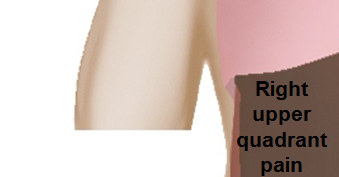 </figure-inline></figure-inline></figure-inline></figure-inline></figure-inline> </figure-inline></figure-inline></figure-inline></figure-inline></figure-inline> |
<figure-inline class=”mw-default-size”><figure-inline><figure-inline><figure-inline><figure-inline> </figure-inline></figure-inline></figure-inline></figure-inline></figure-inline> </figure-inline></figure-inline></figure-inline></figure-inline></figure-inline> |
<figure-inline class=”mw-default-size”><figure-inline><figure-inline><figure-inline><figure-inline>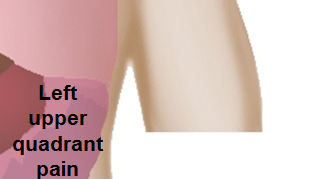 </figure-inline></figure-inline></figure-inline></figure-inline></figure-inline> </figure-inline></figure-inline></figure-inline></figure-inline></figure-inline>
|
<figure-inline class=”mw-default-size”><figure-inline><figure-inline><figure-inline><figure-inline> </figure-inline></figure-inline></figure-inline></figure-inline></figure-inline> </figure-inline></figure-inline></figure-inline></figure-inline></figure-inline> |
<figure-inline class=”mw-default-size”><figure-inline><figure-inline><figure-inline><figure-inline> </figure-inline></figure-inline></figure-inline></figure-inline></figure-inline> </figure-inline></figure-inline></figure-inline></figure-inline></figure-inline> |
<figure-inline class=”mw-default-size”><figure-inline><figure-inline><figure-inline><figure-inline> </figure-inline></figure-inline></figure-inline></figure-inline></figure-inline> </figure-inline></figure-inline></figure-inline></figure-inline></figure-inline>
|
<figure-inline class=”mw-default-size”><figure-inline><figure-inline><figure-inline><figure-inline>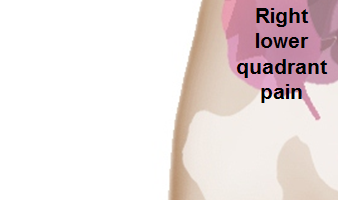 </figure-inline></figure-inline></figure-inline></figure-inline></figure-inline> </figure-inline></figure-inline></figure-inline></figure-inline></figure-inline> |
<figure-inline class=”mw-default-size”><figure-inline><figure-inline><figure-inline><figure-inline> </figure-inline></figure-inline></figure-inline></figure-inline></figure-inline> </figure-inline></figure-inline></figure-inline></figure-inline></figure-inline> |
<figure-inline class=”mw-default-size”><figure-inline><figure-inline><figure-inline><figure-inline>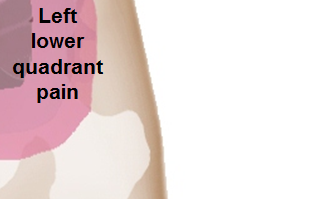 </figure-inline></figure-inline></figure-inline></figure-inline></figure-inline> </figure-inline></figure-inline></figure-inline></figure-inline></figure-inline>
|
| S.No. | Disease | Symptoms | Signs | Diagnosis | Comments | |||||
|---|---|---|---|---|---|---|---|---|---|---|
| Abdominal Pain | Hematuria | Headache | Abdominal mass | Abdominal tenderness | Ultrasonography | CT scan | Histology | |||
| 1. | Wilms tumor | + | + | – | + | + |
|
|
|
|
| 2. | Renal cell carcinoma | + | + | +/- | + | – |
|
Both CT and MRI may be used to detect neoplastic masses that may define renal cell carcinoma or metastasis of the primary cancer. CT scan and use of intravenous (IV) contrast is generally used for work-up and follow-up of patients with renal cell carcinoma. | The histological pattern of renal cell carcinoma depends whether it is papillary, chromophobe or collecting duct renal cell carcinoma. | |
| 3. | Rhabdoid kidney disease | + | + | – | + | – |
|
|
|
|
| 4. | Polycystic kidney disease | + | + | + (from hypertension) | + | – |
Ultrasound may be helpful in the diagnosis of polycystic kidney disease. Findings on an ultrasound diagnostic of polycystic kidney disease include:[5][6] |
Renal CT scan may be helpful in the diagnosis of polycystic kidney disease. Findings on CT scan diagnostic of ADPKD include:
|
||
| 5. | Pheochromocytoma | – | – | + (as a part of the hypertension paroxysm) | – | – |
|
The following findings may be observed on CT scan:[11]
|
|
|
| 6. | Burkitt lymphoma | +/- (in non-endemic or sporadic form of the disease) | – | – | – | – |
|
|
|
|
| 7. | Intussusception | + | – | – | +/- | + |
|
|
|
|
| 8. | Hydronephrosis | + | +/- | – | – | + (CVA tenderness in case of pyelonephritis) |
|
|
|
|
| 9. | Dysplastic kidney | N/A | N/A | N/A | N/A | N/A |
MCDK is usually diagnosed by ultrasound examination before birth.
|
|
||
| 10. | Pediatric Neuroblastoma | + | – | – | +/- | +/- |
|
|
|
|
| 11. | Pediatric Rhabdomyosarcoma | + | +/- | +/- | – | +/- | On CT scan, rhabdomyosarocma is characterized by:
|
|
||
| 12. | Mesoblastic nephroma | + | + | – | + | – |
|
|
Classic mesoblastic nephroma
Cellular mesoblastic nephroma
Mixed mesoblastic nephroma
|
Most common renal tumor that occurs in 1st month of life |
References
- ↑ Hartman DS, Sanders RC (April 1982). “Wilms’ tumor versus neuroblastoma: usefulness of ultrasound in differentiation”. J Ultrasound Med. 1 (3): 117–22. PMID 6152936.
- ↑ De Campo JF (1986). “Ultrasound of Wilms’ tumor”. Pediatr Radiol. 16 (1): 21–4. PMID 3003660.
- ↑ Cahan LD (1985). “Failure of encephalo-duro-arterio-synangiosis procedure in moyamoya disease”. Pediatr Neurosci. 12 (1): 58–62. PMID 4080660.
- ↑ Jolly RD, Stellwagen E, Babul J, Vodkaĭlo LV, Titov VL, Moldomusaev DM, Maianskiĭ AN (November 1975). “Mannosidosis of Angus Cattle: a prototype control program for some genetic diseases”. Adv Vet Sci Comp Med. 19 (23): 1–21. PMID 1978.
- ↑ Chapman AB, Devuyst O, Eckardt KU, Gansevoort RT, Harris T, Horie S, Kasiske BL, Odland D, Pei Y, Perrone RD, Pirson Y, Schrier RW, Torra R, Torres VE, Watnick T, Wheeler DC (July 2015). “Autosomal-dominant polycystic kidney disease (ADPKD): executive summary from a Kidney Disease: Improving Global Outcomes (KDIGO) Controversies Conference”. Kidney Int. 88 (1): 17–27. doi:10.1038/ki.2015.59. PMC 4913350. PMID 25786098.
- ↑ Pei Y, Obaji J, Dupuis A, Paterson AD, Magistroni R, Dicks E, Parfrey P, Cramer B, Coto E, Torra R, San Millan JL, Gibson R, Breuning M, Peters D, Ravine D (January 2009). “Unified criteria for ultrasonographic diagnosis of ADPKD”. J. Am. Soc. Nephrol. 20 (1): 205–12. doi:10.1681/ASN.2008050507. PMC 2615723. PMID 18945943.
- ↑ Stavrou C, Koptides M, Tombazos C, Psara E, Patsias C, Zouvani I, Kyriacou K, Hildebrandt F, Christofides T, Pierides A, Deltas CC (October 2002). “Autosomal-dominant medullary cystic kidney disease type 1: clinical and molecular findings in six large Cypriot families”. Kidney Int. 62 (4): 1385–94. doi:10.1111/j.1523-1755.2002.kid581.x. PMID 12234310.
- ↑ Bleyer AJ, Kmoch S, Antignac C, Robins V, Kidd K, Kelsoe JR, Hladik G, Klemmer P, Knohl SJ, Scheinman SJ, Vo N, Santi A, Harris A, Canaday O, Weller N, Hulick PJ, Vogel K, Rahbari-Oskoui FF, Tuazon J, Deltas C, Somers D, Megarbane A, Kimmel PL, Sperati CJ, Orr-Urtreger A, Ben-Shachar S, Waugh DA, McGinn S, Bleyer AJ, Hodanová K, Vylet’al P, Živná M, Hart TC, Hart PS (March 2014). “Variable clinical presentation of an MUC1 mutation causing medullary cystic kidney disease type 1”. Clin J Am Soc Nephrol. 9 (3): 527–35. doi:10.2215/CJN.06380613. PMC 3944763. PMID 24509297.
- ↑ Faguer S, Decramer S, Chassaing N, Bellanné-Chantelot C, Calvas P, Beaufils S, Bessenay L, Lengelé JP, Dahan K, Ronco P, Devuyst O, Chauveau D (October 2011). “Diagnosis, management, and prognosis of HNF1B nephropathy in adulthood”. Kidney Int. 80 (7): 768–76. doi:10.1038/ki.2011.225. PMID 21775974.
- ↑ Heidet L, Decramer S, Pawtowski A, Morinière V, Bandin F, Knebelmann B, Lebre AS, Faguer S, Guigonis V, Antignac C, Salomon R (June 2010). “Spectrum of HNF1B mutations in a large cohort of patients who harbor renal diseases”. Clin J Am Soc Nephrol. 5 (6): 1079–90. doi:10.2215/CJN.06810909. PMC 2879303. PMID 20378641.
- ↑ Bravo EL (1991). “Pheochromocytoma: new concepts and future trends”. Kidney Int. 40 (3): 544–56. PMID 1787652.
- ↑ Whalen RK, Althausen AF, Daniels GH (1992). “Extra-adrenal pheochromocytoma”. J Urol. 147 (1): 1–10. PMID 1729490.
- ↑ Baid SK, Lai EW, Wesley RA, Ling A, Timmers HJ, Adams KT; et al. (2009). “Brief communication: radiographic contrast infusion and catecholamine release in patients with pheochromocytoma”. Ann Intern Med. 150 (1): 27–32. PMC 3490128. PMID 19124817.
- ↑ Bravo EL (1991). “Pheochromocytoma: new concepts and future trends”. Kidney Int. 40 (3): 544–56. PMID 1787652.
- ↑ Burkitt lymphoma. MedlinePlus. https://www.nlm.nih.gov/medlineplus/ency/article/001308.htm Accessed on September 30, 2015
- ↑ Bellan C, Lazzi S, De Falco G, Nyongo A, Giordano A, Leoncini L (2003). “Burkitt’s lymphoma: new insights into molecular pathogenesis”. J. Clin. Pathol. 56 (3): 188–92. PMC 1769902. PMID 12610094. Unknown parameter
|month=ignored (help) - ↑ Ko HS, Schenk JP, Tröger J, Rohrschneider WK (2007). “Current radiological management of intussusception in children”. Eur Radiol. 17 (9): 2411–21. doi:10.1007/s00330-007-0589-y. PMID 17308922.
- ↑ Boyle MJ, Arkell LJ, Williams JT (1993). “Ultrasonic diagnosis of adult intussusception”. Am. J. Gastroenterol. 88 (4): 617–8. PMID 8470658.
- ↑ Neuroblastoma. Radiopaedia (2015) http://radiopaedia.org/articles/neuroblastoma Accessed on October, 8 2015
- ↑ Colon NC, Chung DH (2011). “Neuroblastoma”. Adv Pediatr. 58 (1): 297–311. doi:10.1016/j.yapd.2011.03.011. PMC 3668791. PMID 21736987.
- ↑ Neuroblastoma. Radiopaedia (2015) http://radiopaedia.org/articles/neuroblastoma Accessed on October, 8 2015
- ↑ Neuroblastoma. Libre Pathology(2015) http://librepathology.org/wiki/index.php/Adrenal_gland#Neuroblastoma Accessed on October, 5 2015
- ↑ Mesoblastic nephroma.Dr Ayush Goel and Dr Yuranga Weerakkody et al. Radiopaedia.org 2015. http://radiopaedia.org/articles/mesoblastic-nephroma
Editor-In-Chief: C. Michael Gibson, M.S., M.D. [1]; Associate Editor(s)-in-Chief: Sargun Singh Walia M.B.B.S.[2]
Epidemiology and Demographics
Overview
Intussuception is a common pediatric emergency. The incidence of intussusception is estimated to be 2000 cases in children born in USA in the first year of life. The prevalence of intussusception does not vary with geographic and demographic distribution. Males are more commonly affected by intussusception than females. Male to female ratio is approximately 3:2. Intussusception most commonly affects children between the age of 6 months and 36 months. It can occur in adults but is mostly related to an underlying pathology (lead point).
Epidemiology and Demographics
Incidence
- The incidence of intussusception is estimated to be 2000 cases in children born in USA in the first year of life.[1]
Case-fatality rate
- A study was done in Spain, over a 12 year period. 94 cases were reviewed with incidence of intussusception, out of which majority were less than 1 year. Due to high rate of misdiagnosis and management, there was a high case fatality rate of 6400 per 100,000 cases.[2]
Age
The epidemiology of intussusception varies according to the age of the individual:[3]
- Intussusception commonly affects children between 6 and 36 months of age.
- 60% of children affected are younger than 1 year of age.[4]
- 80 – 90% of children are less than 2 years old. [5]
- 10% patients are over 5 years old.
- 3-4% patients are over 10 years old.
- 1% patients are younger than 3 months old.
- Intussusception can occur in older patients as well. When it occurs in older patients it is usually due to a lead point.
- Adults can also develop intussusception.
- Child to adult ratio is believed to be more than 20:1.
Race
- There is no racial predilection to intussusception.
Gender
- Males are more commonly affected by Intussusception than females. The male to female ratio is approximately 3:2 .[6]
References
- ↑ Fusco EE, Bhimji SS. PMID 28613732. Missing or empty
|title=(help) - ↑ Kuruvilla TT, Naraynsingh V, Raju GC, Manmohansingh LU (1988). “Intussusception in infancy and childhood”. Trop Geogr Med. 40 (4): 342–6. PMID 3265814.
- ↑ Buettcher M, Baer G, Bonhoeffer J, Schaad UB, Heininger U (2007). “Three-year surveillance of intussusception in children in Switzerland”. Pediatrics. 120 (3): 473–80. doi:10.1542/peds.2007-0035. PMID 17766518.
- ↑ Mandeville K, Chien M, Willyerd FA, Mandell G, Hostetler MA, Bulloch B (2012). “Intussusception: clinical presentations and imaging characteristics”. Pediatr Emerg Care. 28 (9): 842–4. doi:10.1097/PEC.0b013e318267a75e. PMID 22929138.
- ↑ Mandeville K, Chien M, Willyerd FA, Mandell G, Hostetler MA, Bulloch B (2012). “Intussusception: clinical presentations and imaging characteristics”. Pediatr Emerg Care. 28 (9): 842–4. doi:10.1097/PEC.0b013e318267a75e. PMID 22929138.
- ↑ Mandeville K, Chien M, Willyerd FA, Mandell G, Hostetler MA, Bulloch B (2012). “Intussusception: clinical presentations and imaging characteristics”. Pediatr Emerg Care. 28 (9): 842–4. doi:10.1097/PEC.0b013e318267a75e. PMID 22929138.
Editor-In-Chief: C. Michael Gibson, M.S., M.D. [1]; Associate Editor(s)-in-Chief: Sargun Singh Walia M.B.B.S.[2]
Risk Factors
Overview
Common risk factors for the development of intussusception include male gender, age 6 to 12 months and anatomical anomaly of the intestine. Less common risk factors in the development of intussusception include antecedent viral illness, seasonal variation, first generation Rotavirus vaccine, Meckel’s diverticulum, Celiac disease, polyp, cystic fibrosis, Henoch-Schönlein purpura (HSP), surgical procedures involving the gut, duplication cyst, lymphomas, and areas of reactive lymphoid hyperplasia.
Risk Factors
Common risk factors
- Common risk factors in the development of intussusception include:
- Male gender: It affects boys four times as often as girls
- Age 6 to 12 months : Intussusception can affect both children and adults, although most cases occur in children ages 6 months to 2 years
- Anatomic variation of the intestine
Less common risk factors
- Less common risk factors in the development of intussusception include:
- Antecedent viral illness: Human herpes virus 6 (HHV-6), Adenovirus [1], viral gastroenteritis, bacterial gastroenteritis[2]
- Seasonal variation[3]
- First-generation Rotavirus vaccination[4]
- Meckel’s diverticulum
- Polyps
- Celiac disease[5][6][7]
- Cystic fibrosis[8][9][10]
- Henoch-Schönlein purpura (HSP)[11][12]
- Crohn’s disease[13][14]
- Surgical procedures involving the gut[15][16][17][18]
- Duplication cyst
- Lymphomas
- Areas of reactive lymphoid hyperplasia
References
- ↑ Bines JE, Liem NT, Justice FA, Son TN, Kirkwood CD, de Campo M, Barnett P, Bishop RF, Robins-Browne R, Carlin JB (2006). “Risk factors for intussusception in infants in Vietnam and Australia: adenovirus implicated, but not rotavirus”. J. Pediatr. 149 (4): 452–60. doi:10.1016/j.jpeds.2006.04.010. PMID 17011313.
- ↑ Nylund CM, Denson LA, Noel JM (2010). “Bacterial enteritis as a risk factor for childhood intussusception: a retrospective cohort study”. J. Pediatr. 156 (5): 761–5. doi:10.1016/j.jpeds.2009.11.026. PMID 20138300.
- ↑ Buettcher M, Baer G, Bonhoeffer J, Schaad UB, Heininger U (2007). “Three-year surveillance of intussusception in children in Switzerland”. Pediatrics. 120 (3): 473–80. doi:10.1542/peds.2007-0035. PMID 17766518.
- ↑ Shimabukuro TT, Nguyen M, Martin D, DeStefano F (2015). “Safety monitoring in the Vaccine Adverse Event Reporting System (VAERS)”. Vaccine. 33 (36): 4398–405. doi:10.1016/j.vaccine.2015.07.035. PMC 4632204. PMID 26209838.
- ↑ Mushtaq N, Marven S, Walker J, Puntis JW, Rudolf M, Stringer MD (1999). “Small bowel intussusception in celiac disease”. J. Pediatr. Surg. 34 (12): 1833–5. PMID 10626866.
- ↑ Martinez G, Israel NR, White JJ (2001). “Celiac disease presenting as entero-enteral intussusception”. Pediatr. Surg. Int. 17 (1): 68–70. doi:10.1007/s003830000395. PMID 11294274.
- ↑ Ludvigsson JF, Nordenskjöld A, Murray JA, Olén O (2013). “A large nationwide population-based case-control study of the association between intussusception and later celiac disease”. BMC Gastroenterol. 13: 89. doi:10.1186/1471-230X-13-89. PMC 3661363. PMID 23679928.
- ↑ Ludvigsson JF, Nordenskjöld A, Murray JA, Olén O (2013). “A large nationwide population-based case-control study of the association between intussusception and later celiac disease”. BMC Gastroenterol. 13: 89. doi:10.1186/1471-230X-13-89. PMC 3661363. PMID 23679928.
- ↑ Webb AK, Khan A (1989). “Chronic intussusception in a young adult with cystic fibrosis”. J R Soc Med. 82 Suppl 16: 47–8. PMC 1291920. PMID 2657054.
- ↑ Gross K, Desanto A, Grosfeld JL, West KW, Eigen H (1985). “Intra-abdominal complications of cystic fibrosis”. J. Pediatr. Surg. 20 (4): 431–5. PMID 4045671.
- ↑ Ebert EC (2008). “Gastrointestinal manifestations of Henoch-Schonlein Purpura”. Dig. Dis. Sci. 53 (8): 2011–9. doi:10.1007/s10620-007-0147-0. PMID 18351468.
- ↑ Little KJ, Danzl DF (1991). “Intussusception associated with Henoch-Schonlein purpura”. J Emerg Med. 9 Suppl 1: 29–32. PMID 1955678.
- ↑ López-Tomassetti Fernández EM, Lorenzo Rocha N, Arteaga González I, Carrillo Pallarés A (2006). “Ileoileal intussusception as initial manifestation of Crohn’s disease”. Mcgill J Med. 9 (1): 34–7. PMC 2687895. PMID 19529808.
- ↑ Cohen DM, Conard FU, Treem WR, Hyams JS (1992). “Jejunojejunal intussusception in Crohn’s disease”. J. Pediatr. Gastroenterol. Nutr. 14 (1): 101–3. PMID 1573498.
- ↑ Ein SH, Ferguson JM (1982). “Intussusception–the forgotten postoperative obstruction”. Arch. Dis. Child. 57 (10): 788–90. PMC 1627910. PMID 7138069.
- ↑ Linke F, Eble F, Berger S (1998). “Postoperative intussusception in childhood”. Pediatr. Surg. Int. 14 (3): 175–7. doi:10.1007/s003830050479. PMID 9880741.
- ↑ Kidd J, Jackson R, Wagner CW, Smith SD (2000). “Intussusception following the Ladd procedure”. Arch Surg. 135 (6): 713–5. PMID 10843370.
- ↑ Klein JD, Turner CG, Kamran SC, Yu AY, Ferrari L, Zurakowski D, Fauza DO (2013). “Pediatric postoperative intussusception in the minimally invasive surgery era: a 13-year, single center experience”. J. Am. Coll. Surg. 216 (6): 1089–93. doi:10.1016/j.jamcollsurg.2013.01.059. PMID 23571141.
Editor-In-Chief: C. Michael Gibson, M.S., M.D. [1]; Associate Editor(s)-in-Chief: Sargun Singh Walia M.B.B.S.[2]
Screening
Overview
There is insufficient evidence to recommend routine screening for intussusception.
Screening
There is insufficient evidence to recommend routine screening for intussusception.
References
Editor-In-Chief: C. Michael Gibson, M.S., M.D. [1]; Associate Editor(s)-in-Chief: Sargun Singh Walia M.B.B.S.[2]
Natural History, Complications, and Prognosis
Overview
If left untreated, patients with intussusception may progress to develop intestinal obstruction, intestinal perforation, and peritonitis. Common complications of intussusception include intestinal perforation,intestinal hernia, intestinal adhesion, peritonitis, intestinal necrosis, electrolyte imbalance, and recurrence of intussusception. Prognosis is generally excellent if diagnosed and treated early. If intussusception is not treated then intussusception can result in death in 2-5 days.
Natural History, Complications, and Prognosis
Natural history
- If left untreated, patients with intussusception may progress to develop intestinal obstruction, perforation, and peritonitis .
- If intussusception is not treated then it may be fatal within 2-5 days.
Complications
- Common complications of intussusception include:
Prognosis
- After non-operative reduction is less than 10%.[3]
- Recurrence mostly occurs within 72 hours after first episode.
- In some cases recurrence has been reported after 36 months.
- More than 1 recurrence can be due to a lead point.
- After pneumatic enema recurrence rate is 4%.
- After barium enema recurrence rate is 10%.
References
- ↑ Blane CE, DiPietro ME, White SJ, Klein ME, Coran AG, Wesley JR (1984). “An analysis of bowel perforation in patients with intussusception”. J Can Assoc Radiol. 35 (2): 113–5. PMID 6480660.
- ↑ Kline M, Sapp GL (1989). “Carolina Picture Vocabulary Test: validation with hearing-impaired students”. Percept Mot Skills. 69 (1): 64–6. doi:10.2466/pms.1989.69.1.64. PMID 2780199.
- ↑ Niramis R, Watanatittan S, Kruatrachue A, Anuntkosol M, Buranakitjaroen V, Rattanasuwan T, Wongtapradit L, Tongsin A (2010). “Management of recurrent intussusception: nonoperative or operative reduction?”. J. Pediatr. Surg. 45 (11): 2175–80. doi:10.1016/j.jpedsurg.2010.07.029. PMID 21034940.
Editor-In-Chief: C. Michael Gibson, M.S., M.D. [1]; Associate Editor(s)-in-Chief: Sargun Singh Walia M.B.B.S.[2]
Diagnosis
Diagnosis
History and Symptoms | Physical Examination | Laboratory Findings | X Ray | CT | MRI | Ultrasound | Other Imaging Findings | Other Diagnostic Studies
Treatment
Treatment
Medical Therapy | Surgery | Primary Prevention | Secondary Prevention | Cost-Effectiveness of Therapy | Future or Investigational Therapies
Editor-In-Chief: C. Michael Gibson, M.S., M.D. [1]; Associate Editor(s)-in-Chief: Sargun Singh Walia M.B.B.S.[2]