Health Dictionary Find a Doctor

Abdominal pain

Editor-In-Chief: C. Michael Gibson, M.S., M.D. [1]; Associate Editor(s)-in-Chief: Cafer Zorkun, M.D., Ph.D. [2]; M.Umer Tariq [3]; Iqra Qamar M.D.[4] Amandeep Singh M.D.[5]

Synonyms and keywords: Abdominal cramping; abdominal cramps; belly ache; abdominal discomfort; abdominal fullness

Overview

Editor-In-Chief: C. Michael Gibson, M.S., M.D. [1]

Overview

Abdominal pain can be one of the symptoms associated with many transient disorders or serious diseases. Making a definitive diagnosis of the cause of abdominal pain can be difficult because many diseases present with this symptom, abdominal pain is a common problem. Most frequently the cause of the pain is benign and/or self-limited, but in cases of serious causes urgent intervention may be required.

Classification

Abdominal pain can be classified into three categories: acute abdomen, recurrent, and chronic functional. Abdominal pain is traditionally described by its chronicity (acute or chronic), progression over time, nature (sharp, dull, colicky), characterization of the factors that worsen or alleviate pain, and distribution of the pain.

Causes

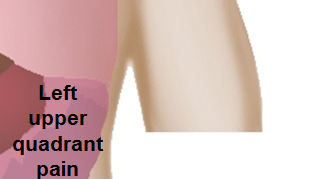
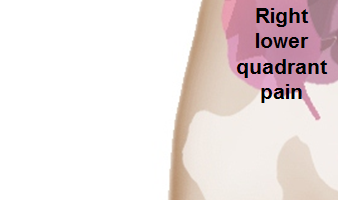
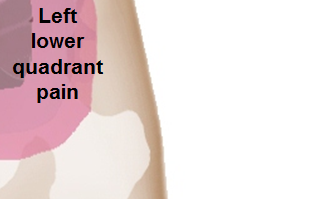
The causes of abdominal pain vary with the distribution of the pain. The distribution can be determined by various methods, such as abdominal quadrants. Other methods exist that divide the abdomen into nine sections.

Differentiating Abdominal pain from other Diseases

Chronic functional abdominal pain is quite similar to, but less common than, irritable bowel syndrome (IBS), and many of the same treatments for IBS can also be of benefit to those with CFAP. The fundamental difference between IBS and CFAP is that in CFAP, unlike in IBS, there is no change in bowel habits such as constipation or diarrhea. Bowel dysfunction is a necessary diagnostic criteria of IBS.

Diagnosis

Physical Examination

When a physician assesses a patient to determine the etiology and subsequent treatment for abdominal pain, the patient’s history of the presenting complaint and their physical examination should derive a diagnosis in over 90% of cases. It is important also for a physician to remember that abdominal pain can be caused by problems outside the abdomen, especially heart attacks and pneumonias which can occasionally present as abdominal pain.

Electrocardiogram

An electrocardiograph is needed to rule out a heart attack, which can occasionally present as abdominal pain.

X Ray

Imaging including an erect chest X-ray and plain films of the abdomen can aid in the diagnosis of the disorder causing the abdominal pain.

References

Template:Gastroenterology

Template:WikiDoc Sources

Classification

Editor-In-Chief: C. Michael Gibson, M.S., M.D. [1]

Overview

Abdominal pain can be classified into three categories: acute abdomen, recurrent, and chronic functional. Abdominal pain is traditionally described by its chronicity (acute or chronic), progression over time, nature (sharp, dull, colicky), characterization of the factors that worsen or alleviate pain, and distribution of the pain.

Classification

Acute Abdomen

Acute abdomen refers to a sudden, severe pain in the abdomen that is less than 24 hours in duration. It is in many cases an emergency condition requiring urgent and specific diagnosis, and the treatment usually involves surgery.

Peritonitis

Acute abdomen is occasionally used synonymously with peritonitis. This is not incorrect; however, peritonitis is the more specific term, referring to inflammation of the peritoneum. It is diagnosed on physical examination as rebound tenderness, or pain upon removal of pressure rather than application of pressure to the abdomen. Peritonitis may result from several diseases, notably appendicitis and pancreatitis.

Ischemic Acute Abdomen

Vascular disorders are more likely to affect the small bowel than the large bowel. Arterial supply to the intestines is provided by the superior and inferior mesenteric arteries, SMA and IMA respectively, both of which are direct branches of the aorta.

Recurrent Abdominal Pain

As with other difficult to diagnose chronic medical problems, patients with recurrent abdominal pain (RAP) account for a very large number of office visits and medical resources in proportion to their actual numbers. RAP can be classified under the Rome II criteria as one of the following:[1]

Chronic Fuctional Abdominal Pain

Chronic functional abdominal pain (CFAP) is the ongoing presence of abdominal pain for which there is no known medical explanation.

References

  1. Bufler P, Gross M, Uhlig HH (2011). “Recurrent abdominal pain in childhood”. Dtsch Arztebl Int. 108 (17): 295–304. doi:10.3238/arztebl.2011.0295. PMC 3103980. PMID 21629513.

Template:Gastroenterology

Template:WikiDoc Sources

Pathophysiology

Editor-In-Chief: C. Michael Gibson, M.S., M.D. [1]

Overview

Pathophysiology

The pain associated with the abdomen in cases of inflammation of the parietal peritoneum (the part of the peritoneum lining the abdominal wall) is steady and aching and is worsened by changes in the tension of the peritoneum caused by pressure or positional change. This pain is often accompanied by tension of the abdominal muscles contracting in an effort to relieve such tension. The pain associated with the obstruction of a hollow viscus (as opposed to peritoneal and solid organ pain) is often intermittent or “colicky,” coinciding with the peristaltic waves of the organ. Such cramps are exactly what is experienced in early acute appendicitis and gastroenteritis and are somewhat relieved by writhing and massages. Pain that is felt in the abdomen may be “referred” from elsewhere (e.g., a disease process in the chest may cause pain in the abdomen), and abdominal processes can cause radiated pain elsewhere (e.g., gall bladder pain—in cholecystitis or cholelithiasis—is often referred to the shoulder). The pain associated with abdominal vascular disturbances (thrombosis or embolism) can be sudden or gradual in onset and can be severe or mild. Pain associated with the rupture of an abdominal aortic aneurysm may radiate to the back, flank, or genitals.

Acute Abdomen

Ischemic Acute Abdomen

Arterial supply to the intestines is provided by the superior and inferior mesenteric arteries, SMA and IMA respectively, both of which are direct branches of the aorta.

The superior mesenteric artery supplies:

The inferior mesenteric artery supplies:

Of note, the splenic flexure, or the junction between the transverse and descending colon, is supplied by the most distal portions of both the inferior mesenteric artery and superior mesenteric artery. It is referred to medically as a watershed area, or an area especially vulnerable to ischemia during periods of systemic hypoperfusion, such as in shock (medical).

Acute abdomen of the ischemic variety is usually due to:

  • A thromboembolism from the left side of the heart, such as may be generated during atrial fibrillation, occluding the SMA.
  • Nonocclusive ischemia, such as that seen in hypotension secondary to heart failure may also contribute, but usually results in a mucosal or mural infarct, as contrasted with the typically transmural infarct seen in thromboembolus of the SMA.
  • Primary mesenteric vein thromboses may also cause ischemic acute abdomen, usually precipitated by hypercoagulable states such as polycythemia vera.

Chronic Functional Abdominal Pain

CFAP is characterized by chronic pain, with no physical explanation or findings (no structural, infectious, or mechanical causes can be found). It is theorized that CFAP is a disorder of the nervous system where normal nerve impulses are amplified “like a stereo system turned up too loud,” resulting in pain. This visceral hypersensitivity may be a stand-alone cause of CFAP, or CFAP may result from the same type of brain-gut nervous system disorder that underlies IBS. As with IBS, low doses of antidepressants have been found useful in controlling the pain of CFAP.

References

Template:Gastroenterology

Template:WikiDoc Sources

Causes

Diffuse | Left Upper Quadrant | Left Flank | Left Lower Quadrant | Epigastric Region | Umbilical Region | Pelvic Region | Right Upper Quadrant | Right Flank | Right Lower Quadrant

Editor-In-Chief: C. Michael Gibson, M.S., M.D. [1]; Associate Editor(s)-in-Chief: Kiran Singh, M.D. [2]

Overview

Life threatening causes of abdominal pain include acute peritonitis, bowel obstruction, diabetic ketoacidosis and testicular torsion. Other common causes of abdominal pain include appendicitis, constipation, dysmenorrhea and lactose intolerance.

Causes

Causes Based upon Location

Diffuse | Left Upper Quadrant | Left Flank | Left Lower Quadrant | Epigastric Region | Umbilical Region | Pelvic Region | Right Upper Quadrant | Right Flank | Right Lower Quadrant

Life Threatening Causes

The unnamed parameter 2= is no longer supported. Please see the documentation for {{columns-list}}.
2

Common Causes

Causes by Organ System

Cardiovascular Anaphylaxis, aortic aneurysm, cholesterol emboli syndrome, chronic necrotizing vasculitis
Chemical / poisoning 1,2-dibromo-3-chloropropane, 1,2-dibromoethane, 1,2-dichloroethane, 1,4-dioxane, 1-propanol, 2,4,6-trinitrotoluene, 2,4-dichlorophenol, 2-acetylamino-fluorene, 2-butoxyethanol, 2-hexanone, 2-methyl-4-chlorophenoxyacetic acid, 2-nitropropane, 4-aminopyridine, 4-dimethylaminoazobenzene, 8-hydroxyquinoline, acetaminophen poisoning, acetic acid, acetonitrile, acetylandromedol, acetylene tetrabromide, aconitum, acrinathrin, acrylamide, acrylic acid, acrylonitrile, acute mercury inhalation, adiponitrile, alanycarb, albitocin, alcohol, aldicarb, aldoxycarb, alicyclic hydrocarbons, aliphatic amines, aliphatic hydrocarbons, aliphatic hydrogenated hydrocarbons, allyl alcohol, allyl chloride, allylamines, allyxycarb, aloe poisoning, alpha-cypermethrin, aluminum phosphide, amanita phalloides, amanita polypyramis poisoning, amaranth, amidithion, amines, aminocarb, amiton, ammonium bifluoride, ammonium nitrate, amygdalin, amyl acetate, andromedotoxin, anthraquinone, antimony, arachnidism, aromatic amines, aromatic halogenated hydrocarbons, arsenic poisoning, arsenic trioxide, arsine, asphalt, athyl-gusathion, azalea poisoning, azinfosethyl, azinfos-methyl, azinphosmetile, azothoate, barium nitrate, barium, bendiocarb, benoxafos, benzene, benzoate, benzyl chloride, beryllium, beta-cyfluthrin, bifenthrin, bioallethrin, bioresmethrin, bipyridyl pesticides, bismuth, black locust poisoning, black nightshade poisoning, black widow spider bite, borates, boron hydrides, box thorn poisoning, bromide, bromophos, bufencarb, butacarb, butocarboxim, buttercup poisoning, cadmium, cadusafos, calcium hypochlorite, calcium oxide, camphor, caper spruge poisoning, captan, carbamate insecticide poisoning, carbofuran, carbon disulfide, carbon monoxide toxicity, carbon tetrachloride, carbophenothion, carbosulfan, carmine, caspofungin, chlorate salts, chlordane, chlorfenvinphos, chlorinated benzenes, chlorinated naphthalenes, chlorobenzene, chlorodiphenyl, chloroform, chloropicrin, chloroprene, chloropyrifos, chokecherry seed poisoning, christmas cherry poisoning, chromium, cicutoxin, ciguatera poisoning, clitocybe dealbata, cloethocarb, coastal leucothoe poisoning, cobalt, cobra poisoning, coffeeweed poisoning, copper salts, copper toxicity, corsican hellebore poisoning, coumaphos, cresol, cyanthoate, cycad nut poisoning, cycasin, cyclochlorotine, cyfluthrin, cypermethrin, cyphenothrin, cypress spurge poisoning, daffodil poisoning, deadly nightshade (solanum dulcamara) poisoning, deathdamas poisoning, decarbofuran, deltamethrin, demeton, demeton-methyl, devil’s snuff box poisoning, dialifos, diazinon, dibromochloropropane, dichlorvos, dicresyl, dicrotophos, diethylene glycol, fluoride poisoning, grape seed extract, lead poisoning, oleander, parathion, pesticide, pyridine, snakebites, spider bite, tributyl phosphate
Dermatology Adnexal and skin appendage neoplasms, angioneurotic edema, Behcet’s disease, Chiari-Frommel syndrome, chronic necrotizing vasculitis
Drug Side Effect Acetylsalicylic acid, acarbose, acipimox, acyclovir, alosetron, allopurinolaminocaproic acid, amlodipine and benazepril, ambenonium, amodiaquine, amphetamine abuse, amphotericin, anesthetic agent, antiarrhythmics, anticoagulants, antifungals, antihypertensives, antineoplastic agents, antiviral medication, aspirin, ativan withdrawal, atomoxetine, atovaquone, atovaquone-Proguanil, auranofin, azithromycin, aztreonam, basiliximab, benzodiazepine, bethanechol chloride, bezafibrate, bicalutamide, bosutinib, busulfan, butyrophenone, carbarsone, carbaryl, caspofungin, cefdinir, cefixime, cephalosporin, cefuroxime, chloramphenicol, cidofovir, cimetidine, ciprofloxacin, cisapride, cladribine, clidinium, cyclopropane, clindamycin, clofibrate, codeine withdrawal, colchicine, contraceptive patch, cycloserine, cytarabine, dactinomycin, danazol, dantrolene, daptomycin, darvocet overdose, deferasirox, deferiprone, depo-provera, desmopressin,dexedrine overdose, didanosine, diflunisal, dimercaprol, donepezil, doxorubicin hydrochloride, drotrecogin alfa, dydrogesterone, ecallantide, enoxaparin, entacapone, elosulfase alfa, erythromycin, ethcathinone, etodolac, etonogestrel, etoposide phosphate, febuxostat, fesoterodine, flucytosine, flurbiprofen, fluvastatin, ganirelix, glyburide and metformin, halofantrine, hydroxychloroquine, idarubicin, imiglucerase, indinavir, interferon beta- 1b, irinotecan hydrochloride, isoniazid, itraconazole, ivacaftor, ivermectin, ketorolac tromethamine, lactulose, lanreotide, lansoprazole, lanthanum carbonate, levonorgestrel, loperamide, lopinavir, loprazolam, loratadine, magnesium citrate, mebendazole, medroxyprogesterone, megestrol, mercaptopurine, mesna, methimazole, methotrexate, methylphenidate, metronidazole, mifepristone, miglitol, misoprostol, moxifloxacin, muscarine, nafcillin, naltrexone, naproxen sodium, naproxen and esomeprazole magnesium, natalizumab, neuromuscular-blocking drugs, niclosamide, nitazoxanide, norethindrone acetate and Ethinyl estradiol, norgestrel and ethinyl estradiol, octreotide injection, omeprazole, olsalazine, orlistat, oxcarbazepine, pantoprazole, paromomycin sulfate, pasireotide, pazopanib hydrochloride, papaverine, piroxicam, pegaspargase, pentamidine Isethionate, pentavalent antimonial, pentostatin, perindopril, phenazocine, permethrin, pirfenidone, potassium iodide, polyethylene glycol-electrolyte solution (pEG-ES), potassium bicarbonate, potassium citrate, praziquantel, prazosin and polythiazide, primaquine phosphate, procainamide, procarbazine, progesterone, propylthiouracil, protirelin, rabeprazole, rasburicase, rifaximin, ritonavir, roxithromycin, sacrosidase, sargramostim, saquinavir mesylate, saxagliptin, secretin human, siltuximab, simvastatin, sorafenib, sucralfate, sulfasalazine, sunitinib, thiotepa, tianeptine, tigecycline, tolmetin, topiramate, topotecan, trametinib dimethyl sulfoxide, trastuzumab, tretinoin, triclofos, valacyclovir, vancomycin, vardenafil,vandetanib, vigabatrin, vinblastine, voriconazole, zafirlukast
Ear Nose Throat No underlying causes
Endocrine Addison’s disease, adrenal crisis, adrenal disorders, adrenal gland hypofunction, adrenal hemorrhage, adrenal hyperplasia, adrenal insufficiency, Chiari-Frommel syndrome, congenital adrenal hyperplasia, cushing syndrome, diabetes mellitus type 2, diabetic gastroparesis, diabetic ketoacidosis, multiple endocrine neoplasia type 1
Environmental No underlying causes
Gastroenterologic Abdominal cramps, abdominal cutaneous nerve entrapment syndrome, abdominal mass, accessory pancreas, acute pancreatitis, appendicitis, autoimmune hepatitis, autoimmune pancreatitis, bacterial gastroenteritis, bowel obstruction, caecitis, carcinoid syndrome, celiac disease, Charcot’s triad, cholangiocarcinoma, cholangitis, cholecystitis, choledochal cysts, choledocholithiasis, cholelithiasis, chronic erosive gastritis, curling ulcers, cushing ulcers, chronic hepatitis C, chronic hepatitis, chronic infectious diarrhea, chronic pancreatitis, cirrhosis, clostridial necrotizing enteritis, colitis, colorectal adenomatous polyposis, recessive, Colitis cystica profunda, colon cancer, familial, congenital lactase deficiency, congenital short bowel, colonic inertia, colonic polyps, colonic volvulus, colorectal cancer, Congenital hepatic porphyria, constipation, Crohn’s disease, decreased intestinal motility, diarrhea, diverticulitis, duodenitis, dyspepsia, enteritis, epiploic appendagitis, gastric outlet obstruction, gastritis, gastroenteritis, gastrointestinal perforation, gastrointestinal stromal tumor, hemosuccus pancreaticus, ileitis, ileus, intestinal malrotation, intestinal pseudoobstruction, intussusception, irritable bowel syndrome, ischemic colitis, König’s syndrome, Krukenberg tumor, malabsorption, Meckel’s diverticulum, mesenteric ischemia, ogilvie syndrome, pancreatic cancer, pancreatitis, peptic ulcer, peritonitis, porcelain gallbladder, proctitis, pseudomembranous colitis, pseudomyxoma peritonei, toxic megacolon, ulcerative colitis, volvulus, Whipple’s disease, cholangitis,
Genetic Adult cystic fibrosis, Baber’s syndrome, Brachmann-de lange syndrome, Caroli disease, celiac disease, chester porphyria, Chromosome 12, isochromosome 12p mosaic, chromosome 12p tetrasomy syndrome, chromosome 1p deletion syndrome, chromosome 22q deletion syndrome, Chromosome 9q deletion syndrome, colon cancer, familial, colorectal adenomatous polyposis, recessive, congenital adrenal hyperplasia, congenital aplastic anemia, congenital lactase deficiency, congenital short bowel, coproporphyria, hereditary, Cornelia de Lange Syndrome, Crohn’s disease, desmoid disease, hereditary, Gilbert’s syndrome, Marfan syndrome, periodic fever syndrome, pyruvate carboxylase deficiency, Slone’s disease
Hematologic Acute erythroleukemia, acute megacaryoblastic leukemia, acute myelofibrosis, acute myeloid leukaemia, acute non lymphoblastic leukemia, anemic, blood cancer, congenital aplastic anemia, congenital spherocytic anemia, porphyria
Iatrogenic Adjustable gastric band, cinchonism, postcholecystectomy syndrome, Roux-en-y syndrome
Infectious Disease African horse sickness, amoebiasis, ancylostoma duodenale, angiostrongyliasis, anguillulosis, anisakis, ankylostomiasis,anthrax, arcobacter infection, arenavirus, ascariasis, ascending cholangitis,, astrovirus, aseptic abscesses syndrome, astroviridae, autoimmune hepatitis, autoimmune oophoritis, babesiosis, bacillus cereus, bacterial gastroenteritis, bacterial septicemia, bartonella infections, balantidiasis, blastocystosis, Bornholm disease, bothriocephalosis, botulism food poisoning, brachylaima, burkholderia pseudomallei, campylobacteriosis, capillaria philippiensis infection, cat scratch fever, cestoda, clostridium difficile, Chagas disease, chandipura virus, chlamydial infection, chronic hepatitis c, chronic hepatitis, chronic infectious diarrhea, clonorchiasis, clostridial necrotizing enteritis, colibacillosis, Colorado tick fever, Colorado tick encephalitis, cryptosporidium parvum, cryptosporidiosis, cyclosporiasis, cystitis, Dengue fever, dicrocoelium dendriticum fluke, diarrhea, diarrheagenic escherichia coli, dientamoeba fragilis, ebola, entamoeba histolytica, familial Mediterranean fever, fasciolopsiasis, fasciolosis, fungemia, fusarium, Giardia lamblia, Hantavirus pulmonary syndrome, Helicobacter pylori infection, Henipavirus, hookworm, hymenolepis infection, isosporiasis, leptospirosis, mycobacterium avium complex, norovirus, opisthorchis infection, paragonimus infection, Q fever, rheumatic fever, rocky mountain spotted fever, salmonellosis, scarlet fever, schistosomiasis, scombrotoxic fish poisoning, shigellosis, strongyloidiasis, toxocariasis, trichomoniasis, typhoid fever, vibrio vulnificus, viral hepatitis , whipworm infection, yellow fever, yersiniosis
Musculoskeletal / Ortho No underlying causes
Neurologic Autonomic neuropathy, Charcot’s triad, chronic fatigue syndrome
Nutritional / Metabolic Amyloidosis AL, aniseed, C1 esterase inhibitor deficiency, carbohydrate malabsorption, carageenan gum, carnitine-acylcarnitine translocase deficiency, cephalothoracic progressive lipodystrophy, chocolate, congenital lactase deficiency, congenital sucrose-isomaltose malabsorption, Cope’s syndrome, coproporphyria, hereditary, pantothenic acid
Obstetric / Gynecologic Asherman syndrome, Autoimmune oophoritis, Braxton Hicks contractions, breech presentation, cervical cancer, contraceptive patch, ectopic pregnancy, endometrial cancer, endometriosis, menstruation, ovarian cancer, ovarian cyst, ovarian hyperstimulation syndrome, ovarian torsion, pelvic inflammatory disease, placental abruption, pregnancy, salpingitis, uterine fibroids, uterine rupture, uterine sarcoma
Oncologic Abdominal neoplasms, acute erythroleukemia, acute leukaemia, acute megacaryoblastic leukemia,acute myelofibrosis,acute non lymphoblastic leukemia, adenoma, islet cell, adnexal and skin appendage neoplasms,anal cancer, angiomyolipoma, appendix cancer, bile duct cancer, biliary tract cancer, bladder cancer, blood cancer, brinton disease, Burkitt lymphoma, carcinoid syndrome,cervical cancer, childhood liver cancer, primary, cholangiocarcinoma, chronic myelomonocytic leukemia, chronic neutrophilic leukemia, clear cell renal cell carcinoma, collecting duct carcinoma, colon cancer, familial, colorectal cancer, desmoplastic small round cell tumor, liposarcoma, liver tumor, mesothelioma, sacrococcygeal teratoma
Ophthalmologic No underlying causes
Overdose / Toxicity Aflatoxin,clupeotoxism, dexedrine overdose, hypervitaminosis A
Psychiatric Bulimia nervosa, childhood-onset bipolar disorder, depression
Pulmonary Allergies, alveolar hydatid disease, anaphylaxis, acquired angioedema, angioneurotic edema, aspiration pneumonia, basal pneumonia, Chilaiditi syndrome, Churg-Strauss syndrome, congenital bronchogenic cyst, decompression sickness, empyema, pleuritis, pulmonary embolism, pulmonary infarction, tuberculosis
Renal / Electrolyte Bright’s disease, Burnett’s milk drinker’s syndrome, chronic renal insufficiency, clear cell renal cell carcinoma, collecting duct carcinoma, congenital lactic acidosis, congenital megalo-ureter, continuous ambulatory peritoneal dialysis, Cope’s syndrome, cystitis, hydronephrosis, hypercalcemia, hyperkalemia, hypocalcemia, nutcracker syndrome, polycystic kidney disease, pyelonephritis, ureterocele,urinary tract infection
Rheum / Immune / Allergy Allergies, alpha heavy chain disease, anaphylaxis, acquired angioedema, angiofollicular ganglionic hyperplasia, angioneurotic edema, autoimmune oophoritis, autoimmune pancreatitis, autoimmune thyroid disease, Behcet’s disease, celiac disease, chronic fatigue syndrome, chronic necrotizing vasculitis, Churg-Strauss syndrome, citric acid intolerance, collagenous celiac disease, diffuse systemic sclerosis, systemic lupus erythematosus, polyarteritis nodosa
Sexual No underlying causes
Trauma No underlying causes
Urologic Bladder cancer, prostate cancer, prostatitis
Miscellaneous African horse sickness, baking powder, foreign body, side stitch, capillary leak syndrome

Causes in Alphabetical Order

The unnamed parameter 2= is no longer supported. Please see the documentation for {{columns-list}}.
4

Acute Abdomen

Common causes of acute abdomen include:

Chronic Functional Abdominal Pain

Common causes of CFAP stem from:

References

Template:Gastroenterology

Template:WikiDoc Sources

Differentiating Abdominal pain from other Diseases
https://www.wikidoc.org/index.php/Abdominal pain

Editor-In-Chief: C. Michael Gibson, M.S., M.D. [1];Associate Editor(s)-in-Chief: Amandeep Singh M.D.[2]Seyedmahdi Pahlavani, M.D. [3]Iqra Qamar M.D.[4]

Overview

Diagnosing the cause of abdominal pain can be difficult, because many diseases can cause this symptom. Most frequently the cause is benign and/or self-limiting, but more serious causes may require urgent intervention. Acute abdominal pain is a severe, persistent abdominal pain of sudden onset that is likely to require surgical intervention to treat its cause. The following table summarizes differential diagnosis for abdominal pain.

Differential Diagnosis of Abdominal Pain

To review the differential diagnosis of Abdominal pain, click here.

To review the differential diagnosis of Abdominal pain and fever, click here.

To review the differential diagnosis of Abdominal pain, nausea and vomiting, click here.

To review the differential diagnosis of Abdominal pain and jaundice, click here.

To review the differential diagnosis of Abdominal pain and weight loss, click here.

To review the differential diagnosis of Abdominal pain and constipation, click here.

To review the differential diagnosis of Abdominal pain and diarrhea, click here.

To review the differential diagnosis of Abdominal pain and GI bleeding, click here.

To review the differential diagnosis of Abdominal pain, fever and jaundice, click here.

To review the differential diagnosis of Abdominal pain, fever, nausea and vomiting, click here.

To review the differential diagnosis of Abdominal pain, fever, and diarrhea, click here.

To review the differential diagnosis of Abdominal pain, fever and constipation, click here.

To review the differential diagnosis of Abdominal pain, fever and weight loss, click here.

To review the differential diagnosis of Abdominal pain, fever and GI bleeding, click here.

To review the differential diagnosis of Abdominal pain, nausea,vomiting and jaundice, click here.

To review the differential diagnosis of Abdominal pain, nausea,vomiting and weight loss, click here.

To review the differential diagnosis of Abdominal pain, nausea,vomiting and constipation, click here.

To review the differential diagnosis of Abdominal pain, nausea,vomiting and diarrhea, click here.

To review the differential diagnosis of Abdominal pain, nausea, vomiting and GI bleeding, click here.

To review the differential diagnosis of Abdominal pain, jaundice and weight loss, click here.

To review the differential diagnosis of Abdominal pain, jaundice and diarrhea, click here.

To review the differential diagnosis of Abdominal pain, jaundice and GI bleeding, click here.

To review the differential diagnosis of Abdominal pain,weight loss and constipation, click here.

To review the differential diagnosis of Abdominal pain,weight loss and diarrhea, click here.

To review the differential diagnosis of Abdominal pain, weight loss and GI bleeding, click here.

To review the differential diagnosis of Abdominal pain, constipation and diarrhea, click here.

To review the differential diagnosis of Abdominal pain, constipation and GI bleeding, click here.

To review the differential diagnosis of Abdominal pain, diarrhea and GI bleeding, click here.

Abdominal Pain

The following table outlines the major differential diagnoses of abdominal pain.

Abbreviations: RUQ= Right upper quadrant of the abdomen, LUQ= Left upper quadrant, LLQ= Left lower quadrant, RLQ= Right lower quadrant, LFT= Liver function test, SIRS= Systemic inflammatory response syndrome, ERCP= Endoscopic retrograde cholangiopancreatography, IV= Intravenous, N= Normal, AMA= Anti mitochondrial antibodies, LDH= Lactate dehydrogenase, GI= Gastrointestinal, CXR= Chest X ray, IgA= Immunoglobulin A, IgG= Immunoglobulin G, IgM= Immunoglobulin M, CT= Computed tomography, PMN= Polymorphonuclear cells, ESR= Erythrocyte sedimentation rate, CRP= C-reactive protein, TS= Transferrin saturation, SF= Serum Ferritin, SMA= Superior mesenteric artery, SMV= Superior mesenteric vein, ECG= Electrocardiogram, US = Ultrasound

Classification of pain in the abdomen based on etiology Disease Clinical manifestations Diagnosis Comments
Symptoms Signs
Abdominal Pain Fever Rigors and chills Nausea or vomiting Jaundice Constipation Diarrhea Weight loss GI bleeding Hypo-

tension

Guarding Rebound Tenderness Bowel sounds Lab Findings Imaging
Abdominal causes Inflammatory causes Pancreato-biliary disorders Acute suppurative cholangitis RUQ + + + + + + + N
  • Abnormal LFT
  • WBC >10,000
  • Ultrasound shows biliary dilatation/stents/tumor
  • Septic shock occurs with features of SIRS
Acute cholangitis RUQ + + N
  • Ultrasound shows biliary dilatation/stents/tumor
  • Biliary drainage (ERCP) + IV antibiotics
Acute cholecystitis RUQ + + + Hypoactive Ultrasound shows:
  • Gallstone
  • Inflammation
Acute pancreatitis Epigastric + + ± + ± N
  • Ultrasound shows evidence of inflammation
  • CT scan shows severity of pancreatitis
  • Pain radiation to back
Chronic pancreatitis Epigastric ± ± + + N
  • Increased amylase / lipase
  • Increased stool fat content
  • Pancreatic function test
CT scan
  • Calcification
  • Pseudocyst
  • Dilation of main pancreatic duct
  • Predisposes to pancreatic cancer
Pancreatic carcinoma Epigastric + + + + N

Skin manifestations may include:

Disease Abdominal Pain Fever Rigors and chills Nausea or vomiting Jaundice Constipation Diarrhea Weight loss GI bleeding Hypo-

tension

Guarding Rebound Tenderness Bowel sounds Lab Findings Imaging Comments
Primary biliary cirrhosis RUQ/Epigastric + N
  • Increased AMA level, abnormal LFTs
  • ERCP
  • Pruritis
Primary sclerosing cholangitis RUQ + + N ERCP and MRCP shows
  • Multiple segmental strictures
  • Mural irregularities
  • Biliary dilatation and diverticula
  • Distortion of biliary tree
  • The risk of cholangiocarcinoma in patients with primary sclerosing cholangitis is 400 times higher than the risk in the general population.
Cholelithiasis RUQ/Epigastric ± ± ± Normal to hyperactive for dislodged stone
  • Fatty food intolerance
Gastric causes Peptic ulcer disease Diffuse ± + + Positive if perforated Positive if perforated Positive if perforated N
  • Ascitic fluid
    • LDH > serum LDH
    • Glucose < 50mg/dl
    • Total protein > 1g/dl
Disease Abdominal Pain Fever Rigors and chills Nausea or vomiting Jaundice Constipation Diarrhea Weight loss GI bleeding Hypo-

tension

Guarding Rebound Tenderness Bowel sounds Lab Findings Imaging Comments
Gastritis Epigastric ± + Positive in chronic gastritis + N
Gastroesophageal reflux disease Epigastric ± N N
  • Gastric emptying studies
Gastric outlet obstruction Epigastric ± + Hyperactive
  • Succussion splash
Gastroparesis Epigastric + + ± Hyperactive/hypoactive
  • Scintigraphic gastric emptying
  • Succussion splash
  • Single photon emission computed tomography (SPECT)
  • Full thickness gastric and small intestinal biopsy
Gastrointestinal perforation Diffuse + ± ± + + + ± Hyperactive/hypoactive
  • WBC> 10,000
Dumping syndrome Lower and then diffuse + + + + Hyperactive
  • Postgastrectomy
Intestinal causes Disease Abdominal Pain Fever Rigors and chills Nausea or vomiting Jaundice Constipation Diarrhea Weight loss GI bleeding Hypo-

tension

Guarding Rebound Tenderness Bowel sounds Lab Findings Imaging Comments
Acute appendicitis Starts in epigastrium, migrates to RLQ + Positive in pyogenic appendicitis + ± Positive in perforated appendicitis + + Hypoactive
  • Ct scan
  • Ultrasound
  • Positive Rovsing sign
  • Positive Obturator sign
  • Positive Iliopsoas sign
Acute diverticulitis LLQ + ± + + ± + Positive in perforated diverticulitis + + Hypoactive
  • CT scan
  • Ultrasound
Inflammatory bowel disease Diffuse ± ± + + + Normal or hyperactive

Extra intestinal findings:

Irritable bowel syndrome Diffuse ± ± + N Normal Normal Symptomatic treatment
Whipple’s disease Diffuse ± ± + + ± N Endoscopy is used to confirm diagnosis.

Images used to find complications

Extra intestinal findings:
Disease Abdominal Pain Fever Rigors and chills Nausea or vomiting Jaundice Constipation Diarrhea Weight loss GI bleeding Hypo-

tension

Guarding Rebound Tenderness Bowel sounds Lab Findings Imaging Comments
Toxic megacolon Diffuse + + + ± + Hypoactive CT and Ultrasound shows:
  • Loss of colonic haustration
  • Hypoechoic and thickened bowel walls with irregular internal margins in the sigmoid and descending colon
  • Prominent dilation of the transverse colon (>6 cm)
  • Insignificant dilation of ileal bowel loops (diameter >18 mm) with increased intraluminal gas and fluid
Tropical sprue Diffuse + + + N Barium studies:
  • Dilation and edema of mucosal folds
Celiac disease Diffuse + + Hyperactive US:
  • Bull’s eye or target pattern
  • Pseudokidney sign
  • Gluten allergy
Infective colitis Diffuse + ± + + Positive in fulminant colitis ± ± Hyperactive CT scan
  • Bowel wall thickening
  • Edema
Disease Abdominal Pain Fever Rigors and chills Nausea or vomiting Jaundice Constipation Diarrhea Weight loss GI bleeding Hypo-

tension

Guarding Rebound Tenderness Bowel sounds Lab Findings Imaging Comments
Colon carcinoma Diffuse/ RLQ/LLQ ± ± + + ±
  • Normal or hyperactive if obstruction present
  • CBC
  • Carcinoembryonic antigen (CEA)
  • Colonoscopy
  • Flexible sigmoidoscopy
  • Barium enema
  • CT colonography 
  • PILLCAM 2: A colon capsule for CRC screening may be used in patients with an incomplete colonoscopy who lacks obstruction
Hepatic causes Viral hepatitis RUQ + + + Positive in Hep A and E + Positive in fulminant hepatitis Positive in acute + N
  • Abnormal LFTs
  • Viral serology
  • US
  • Hep A and E have fecal-oral route of transmission
  • Hep B and C transmits via blood transfusion and sexual contact.
Liver abscess RUQ + + + + ± + + + ± Normal or hypoactive
  • US
  • CT
Hepatocellular carcinoma/Metastasis RUQ + + +
  • Normal
  • Hyperactive if obstruction present
  • US
  • CT
  • Liver biopsy

Other symptoms:

Disease Abdominal Pain Fever Rigors and chills Nausea or vomiting Jaundice Constipation Diarrhea Weight loss GI bleeding Hypo-

tension

Guarding Rebound Tenderness Bowel sounds Lab Findings Imaging Comments
Budd-Chiari syndrome RUQ ± ± Positive in liver failure leading to varices N
Findings on CT scan suggestive of Budd-Chiari syndrome include:
Ascitic fluid examination shows:
Hemochromatosis RUQ Positive in cirrhotic patients N
  • >60% TS
  • >240 μg/L SF
  • Raised LFT
    Hyperglycemia
  • Ultrasound shows evidence of cirrhosis
Extra intestinal findings:
  • Hyperpigmentation
  • Diabetes mellitus
  • Arthralgia
  • Impotence in males
  • Cardiomyopathy
  • Atherosclerosis
  • Hypopituitarism
  • Hypothyroidism
  • Extrahepatic cancer
  • Prone to specific infections
Cirrhosis RUQ + + + + N US
  • Stigmata of liver disease
  • Cruveilhier- Baumgarten murmur
Disease Abdominal Pain Fever Rigors and chills Nausea or vomiting Jaundice Constipation Diarrhea Weight loss GI bleeding Hypo-

tension

Guarding Rebound Tenderness Bowel sounds Lab Findings Imaging Comments
Peritoneal causes Spontaneous bacterial peritonitis Diffuse + Positive in cirrhotic patients + ± + + Hypoactive
  • Ascitic fluid PMN>250 cells/mm³
  • Culture: Positive for single organism
  • Ultrasound for evaluation of liver cirrhosis
Renal causes Pyelonephritis Unilateral + ± + + Hypoactive
  • Urinalysis
  • Urine culture
  • Blood culture
  • CT
  • MRI
  • CVA tenderness
Renal colic Flank pain + N
  • Ultrasound
  • CT scan
Hollow Viscous Obstruction Small bowel obstruction Diffuse + + + + + + ± Hyperactive then absent Abdominal X ray
  • Dilated loops of bowel with air fluid levels
  • Gasless abdomen
  • “Target sign”– , indicative of intussusception
  • Venous cut-off sign” – suggests thrombosis
Volvulus Diffuse + + Positive in perforated cases + + Hyperactive then absent CT scan and abdominal X ray
  • U shaped sigmoid colon
  • “Whirl sign”
Biliary colic RUQ + + N
  • Ultrasound
Disease Abdominal Pain Fever Rigors and chills Nausea or vomiting Jaundice Constipation Diarrhea Weight loss GI bleeding Hypo-

tension

Guarding Rebound Tenderness Bowel sounds Lab Findings Imaging Comments
Vascular Disorders Ischemic causes Mesenteric ischemia Periumbilical Positive if bowel becomes gangrenous + + + + Positive if bowel becomes gangrenous Positive if bowel becomes gangrenous Hyperactive to absent CT angiography
  • SMA or SMV thrombosis
  • Also known as abdominal angina that worsens with eating
Acute ischemic colitis Diffuse + ± + + + + + + + Hyperactive then absent Abdominal x-ray
  • Distension and pneumatosis

CT scan

  • Double halo appearance, thumbprinting
  • Thickening of bowel
  • May lead to shock
Hemorrhagic causes Ruptured abdominal aortic aneurysm Diffuse ± + + + + N
  • Focused Assessment with Sonography in Trauma (FAST) 
  • Unstable hemodynamics
Intra-abdominal or retroperitoneal hemorrhage Diffuse ± ± + + N
  • ↓ Hb
  • ↓ Hct
  • CT scan
Disease Abdominal Pain Fever Rigors and chills Nausea or vomiting Jaundice Constipation Diarrhea Weight loss GI bleeding Hypo-

tension

Guarding Rebound Tenderness Bowel sounds Lab Findings Imaging Comments
Gynaecological Causes Tubal causes Torsion of the cyst/ovary RLQ / LLQ + ± ± N
  • Ultrasound
  • Sudden onset & severe pain
Acute salpingitis RLQ / LLQ + ± ± ± N
Cyst rupture RLQ / LLQ + + ± ± N
  • Ultrasound
Pregnancy Ruptured ectopic pregnancy RLQ / LLQ + + + + N
  • Ultrasound
History of
  • Missed period
  • Vaginal bleeding
Extra-abdominal causes Pulmonary disorders Pleural empyema RUQ/Epigastric + ± + N Chest X-ray
  • Pleural opacity
  • Localization of effusion
Physical examination
Pulmonary embolism RUQ/LUQ ± ± N
  • ABGs
  • D-dimer
  • Dyspnea
  • Tachycardia
  • Pleuretic chest pain
Pneumonia RUQ/LUQ + + + ± + Normal or hypoactive
  • ABGs
  • Leukocytosis
  • Pancytopenia
  • CXR
  • CT chest
  • Bronchoscopy
  • Shortness of breath
  • Cough
Cardiovascular disorders Myocardial Infarction Epigastric ± + Positive in cardiogenic shock N ECG

Echocardiogram

  • Wall motion abnormality
  • Wall rupture
  • Septal rupture
  • Chest pain, tightness, diaphoresis

Complications:

The following is a list of diseases that present with acute onset severe lower abdominal pain:

Disease Findings
Ectopic pregnancy History of missed menses, positive pregnancy test, ultrasound reveals an empty uterus and may show a mass in the fallopian tubes.[1]
Appendicitis Pain localized to the right iliac fossa, vomiting, abdominal ultrasound sensitivity for diagnosis of acute appendicitis is 75% to 90%.[2]
Rupturedovarian cyst Usually spontaneous, can follow history of trauma, mild chronic lower abdominal discomfort may suddenly intensify, ultrasound is diagnostic.[3]
Ovarian cyst torsion Presents with acute severe unilateral lower quadrant abdominal pain, nausea and vomiting, tender adnexal mass palpated in 90%, ultrasound is diagnostic.[4]
Hemorrhagic ovarian cyst Presents with localized abdominal pain, nausea and vomiting. Hypovolemic shock may be present, abdominal tenderness and guarding are physical exam findings, ultrasound is diagnostic.[4]
Endometriosis Presents with cyclic pain that is exacerbated by onset of menses, dyspareunia. laparoscopic exploration is diagnostic.[4]
Acute cystitis Presents with features of increased urinary frequency, urgency, dysuria, and suprapubic pain.[5][6]

References

  1. Morin L, Cargill YM, Glanc P (2016). “Ultrasound Evaluation of First Trimester Complications of Pregnancy”. J Obstet Gynaecol Can. 38 (10): 982–988. doi:10.1016/j.jogc.2016.06.001. PMID 27720100.
  2. Balthazar EJ, Birnbaum BA, Yee J, Megibow AJ, Roshkow J, Gray C (1994). “Acute appendicitis: CT and US correlation in 100 patients”. Radiology. 190 (1): 31–5. doi:10.1148/radiology.190.1.8259423. PMID 8259423.
  3. Bottomley C, Bourne T (2009). “Diagnosis and management of ovarian cyst accidents”. Best Pract Res Clin Obstet Gynaecol. 23 (5): 711–24. doi:10.1016/j.bpobgyn.2009.02.001. PMID 19299205.
  4. 4.0 4.1 4.2 Bhavsar AK, Gelner EJ, Shorma T (2016). “Common Questions About the Evaluation of Acute Pelvic Pain”. Am Fam Physician. 93 (1): 41–8. PMID 26760839.
  5. {{Cite journal | author = W. E. Stamm | title = Etiology and management of the acute urethral syndrome | journal = Sexually transmitted diseases | volume = 8 | issue = 3 | pages = 235–238 | year = 1981 | month = July-September | pmid = 7292216
  6. {{Cite journal | author = W. E. Stamm, K. F. Wagner, R. Amsel, E. R. Alexander, M. Turck, G. W. Counts & K. K. Holmes | title = Causes of the acute urethral syndrome in women | journal = The New England journal of medicine | volume = 303 | issue = 8 | pages = 409–415 | year = 1980 | month = August | doi = 10.1056/NEJM198008213030801 | pmid = 6993946

Template:Gastroenterology

Template:WikiDoc Sources

Epidemiology and Demographics

Editor-In-Chief: C. Michael Gibson, M.S., M.D. [1]

Epidemiology and Demographics

Age

Recurrent abdominal pain (RAP) occurs in 5–15% of female children 6–19 years old. In a community-based study of middle and high school students, 13–17% had weekly abdominal pain. Using criteria for irritable bowel syndrome (IBS), 14% of high school students and 6% of middle school students fit the criteria for adult IBS. As with other difficult to diagnose chronic medical problems, patients with RAP account for a very large number of office visits and medical resources in proportion to their actual numbers.

References

Template:Gastroenterology

Template:WikiDoc Sources

Risk Factors

Editor-In-Chief: C. Michael Gibson, M.S., M.D. [1]

Please help WikiDoc by adding content here. It’s easy! Click here to learn about editing.

References

Template:Gastroenterology

Template:WikiDoc Sources

Screening

Editor-In-Chief: C. Michael Gibson, M.S., M.D. [1]

Please help WikiDoc by adding content here. It’s easy! Click here to learn about editing.

References

Template:Gastroenterology

Template:WikiDoc Sources

Natural History, Complications and Prognosis

Editor-In-Chief: C. Michael Gibson, M.S., M.D. [1]

Please help WikiDoc by adding content here. It’s easy! Click here to learn about editing.

References

Template:Gastroenterology

Template:WikiDoc Sources

Diagnosis

Diagnosis

History and Symptoms | Physical Examination | Laboratory Findings | Electrocardiogram | X Ray | Other Imaging Findings | Other Diagnostic Studies

Treatment

Treatment

Medical Therapy | Surgery | Primary Prevention | Secondary Prevention | Cost-Effectiveness of Therapy | Future or Investigational Therapies

Case Studies

Case Studies

Case #1

Related Chapters

Template:Gastroenterology

Template:WikiDoc Sources

Looking for the patient version?

Back to the patient-friendly article

© 2026 MyEClinic – IFTM Institut für Telematik in der Medizin GmbH